
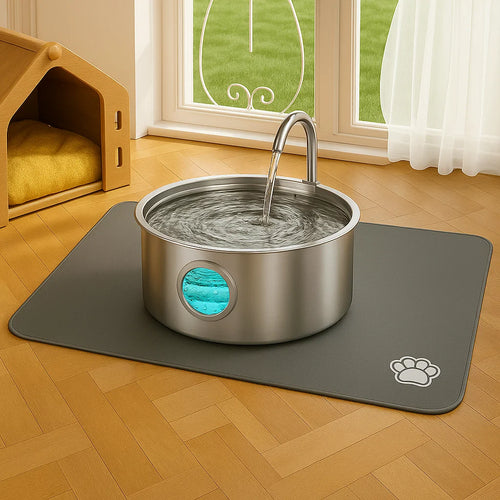


Does your dog’s water fountain ever get cloudy, slimy, or start to smell? You’re not alone—and you’re asking the right question. Clean water is the foundation of your dog’s health, but even the best fountains need regular care to stay safe and inviting. If you’ve been frustrated by unclear instructions or worried about bacteria, this guide will help you keep your pet’s fountain (and water) truly fresh, with step-by-step confidence.
In this article, you’ll learn:
- How often to clean your pet’s water fountain—and why it matters
- Signs your fountain needs attention (and what to watch for)
- Step-by-step cleaning for stainless steel, ceramic, and plastic fountains
- Smart schedules, supplies, and filter replacement tips
- How material choice impacts hygiene and your dog’s health
- Daily and weekly cleaning are key to stopping slime, odors, and harmful bacteria.
- Stainless steel is safest: it resists biofilm and is easy to sanitize.
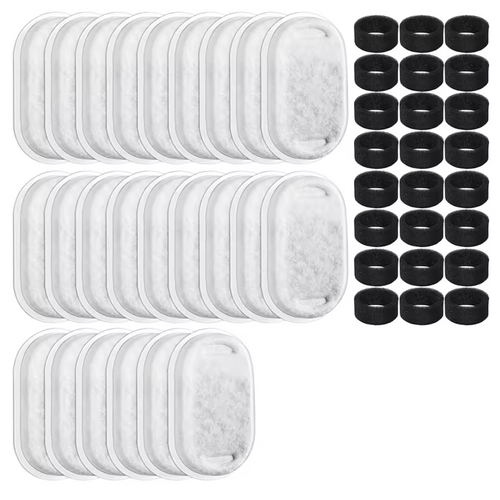
- Replace filters every 2–4 weeks, or per brand guidance.
- Check for cloudiness, film, or smells—these mean it’s time to clean.
- Healthier water encourages better hydration, supporting your dog’s kidneys and energy.
Why Cleaning Matters: Health Starts with Clean Water
Dogs rely on fresh, clean water for everything from kidney health to a shiny coat. But water fountains—especially those made from plastic—can quickly become breeding grounds for bacteria, biofilm (that slimy layer), and mineral deposits. These contaminants not only taste bad, they can also discourage drinking, raising the risk of dehydration and urinary issues.
Stainless steel fountains offer a crucial advantage: they’re non-porous and resist the buildup of bacteria much better than plastic or even many ceramics. By keeping your fountain clean and using the right materials, you’re protecting your dog’s health and making sure every sip is as fresh as it should be.
How Often Should You Clean Your Pet’s Water Fountain?
Frequency depends on fountain type, number of pets, and your water quality. Here’s a practical schedule:
| Material | Daily | Weekly | Monthly | Filter Change |
|---|---|---|---|---|
| Stainless Steel | Rinse basin & wipe surfaces | Full soap wash; sanitize | Check pump, inspect for mineral scale | Every 2–4 weeks |
| Ceramic | Rinse basin | Full soap wash | Check for cracks/crazing | Every 2–4 weeks |
| Plastic | Rinse basin | Full soap wash (avoid rough scrubbers) | Check for scratches/biofilm | Every 2–4 weeks |
Tip: Always check your specific fountain’s manual, as filter types and cleaning needs can vary.
Step-by-Step: Cleaning Your Pet’s Water Fountain
- Unplug and Disassemble: Unplug (or switch off battery), empty water, and take apart all removable parts. Remove the filter.
- Rinse Away Debris: Rinse all components with warm water to remove fur, food, and debris.
- Wash Thoroughly: Use mild, unscented dish soap and a soft sponge or brush. Pay extra attention to corners, spouts, and the pump. For tough spots, a small bottle brush or toothbrush works well.
- Sanitize (Especially for Stainless Steel): For extra hygiene, sanitize the basin weekly with a 1:10 diluted white vinegar solution. Rinse thoroughly to remove any residue.
- Clean the Pump: Open and gently scrub the pump impeller and housing, as slime and scale can build up here. Refer to your fountain’s manual for details.
- Rinse and Dry: Rinse all pieces thoroughly to remove soap or vinegar. Air dry or towel dry.
- Replace Filter and Reassemble: Insert a fresh or cleaned filter, then reassemble and refill with clean, fresh water.
Pro tip: Keep a spare filter set and brush handy so you’re never caught off guard.
How Material Choice Impacts Hygiene (Why Stainless Steel Wins)
| Material | Hygiene | Durability | Biofilm/Bacteria Risk |
|---|---|---|---|
| Stainless Steel | Excellent; non-porous, easy to sanitize | Very High | Low |
| Ceramic | Good if glazed, but can chip/craze | Moderate | Moderate |
| Plastic | Poor; scratches easily, traps microbes | Low | High |
The bottom line: Stainless steel is the easiest to keep clean and safest for long-term health. Regular cleaning is essential for every fountain, but the right material makes it dramatically easier and more effective.
Signs Your Fountain Needs Cleaning (Or Filter Change)
- Water looks cloudy or filmy
- There’s a slippery or slimy feel inside the basin
- Your dog hesitates or stops drinking
- You notice an odor—especially a musty or sour smell
- The pump is making unusual noise or flow is reduced
If you notice any of these, give your fountain a deep clean, and consider changing the filter early.
Healthy Habits, Healthier Dogs: Why Cleaning (and Flowing Water) Matters
Clean, circulating water encourages dogs to drink more—supporting hydration for better energy, a healthy coat, and kidney wellness. With a stainless-steel fountain that’s easy to keep spotless, you spend less time scrubbing and more time enjoying your pet’s vibrant health.
If you’re ready to make clean water simple and stress-free, explore our filtered stainless-steel fountain—designed for easy cleaning and lasting freshness.
Empowering Takeaway
Clean water is one of the simplest, most powerful gifts you can give your dog. With a regular cleaning routine and the right fountain, you’ll set the foundation for a longer, healthier life—one fresh sip at a time.