


As dog parents, we all want our pets to be happy, hydrated, and healthy. But there’s an overlooked detail in their daily routine: the material of their water fountain. If you’ve ever wondered whether stainless steel or plastic is better for your dog’s health, you’re not alone. This guide unpacks the science, hygiene, and daily realities so you can make the best choice for your four-legged family member.
In this article, you’ll learn:
- Stainless steel resists bacteria and biofilm better than plastic.
- Plastic fountains can develop scratches, harboring germs.
- Proper cleaning, regardless of material, is vital for your dog’s health.
- Flowing, filtered water encourages dogs to drink more.
- Consult your vet for hydration needs—this is not medical advice.
Why Fountain Material Matters for Your Dog’s Health
It’s easy to overlook the bowl or fountain your dog drinks from. Yet, the choice between stainless steel and plastic makes a real difference in their daily hydration and long-term wellbeing. Just as you’d avoid drinking from a scratched, cloudy plastic cup, your dog benefits from a clean, safe vessel too.
Hygiene and Cleanliness: Stainless Steel vs Plastic
Stainless Steel: The Gold Standard in Cleanliness
- Non-porous surface: Bacteria and biofilm have nowhere to hide, making it easy to clean thoroughly.
- Dishwasher-safe: Can withstand frequent, high-temp cleaning for better hygiene.
- No plasticizers or BPAs: Stainless steel won’t leach chemicals, even after months of use.
Plastic: Convenience, but at a Cost
- Porous and scratch-prone: Scratches and micro-cracks harbor bacteria and mold, even with diligent cleaning.
- Potential for leaching: Some plastics release chemicals over time, especially as they degrade.
- Biofilm risk: Slimy buildup is more common and harder to remove from plastic surfaces.
Bacteria, Biofilm, and Your Dog’s Health
Standing or slow-moving water is a breeding ground for bacteria, especially in plastic fountains. Biofilm—a slimy layer of bacteria—can develop quickly, making water taste and smell off. Dogs are sensitive to these changes and may drink less, risking dehydration. Stainless steel’s smooth surface resists biofilm buildup and is easier to disinfect, supporting healthier hydration habits.
Durability and Long-Term Value
| Feature | Stainless Steel | Plastic | Ceramic (for reference) |
|---|---|---|---|
| Hygiene | Excellent | Poor/Variable | Good |
| Durability | Years (scratch-resistant) | Months–1 year (scratch-prone) | Years (fragile if dropped) |
| Biofilm Risk | Low | High | Medium |
| Cleaning Ease | Dishwasher-safe | Hand wash (frequent scrubbing) | Dishwasher-safe |
How Much Water Does Your Dog Need?
Most dogs need 25–50 ml of water per kilogram of body weight daily (about 0.5–1 ounce per pound). Always consider your dog’s age, activity level, diet, and climate.
| Dog Weight | Daily Water Range (ml) | Daily Water Range (cups) |
|---|---|---|
| 10 lbs (4.5 kg) | 110–225 ml | ~0.5–1 cup |
| 30 lbs (13.6 kg) | 340–680 ml | ~1.5–3 cups |
| 60 lbs (27.2 kg) | 680–1,360 ml | ~3–6 cups |
Tip: Dogs on dry kibble, large breeds, or those who are active outdoors may need water at the higher end of these ranges.
Best Practices: Cleaning and Maintenance
- Daily: Rinse and refill the fountain.
- Weekly: Deep clean with hot, soapy water; scrub all parts, especially corners and pump areas.
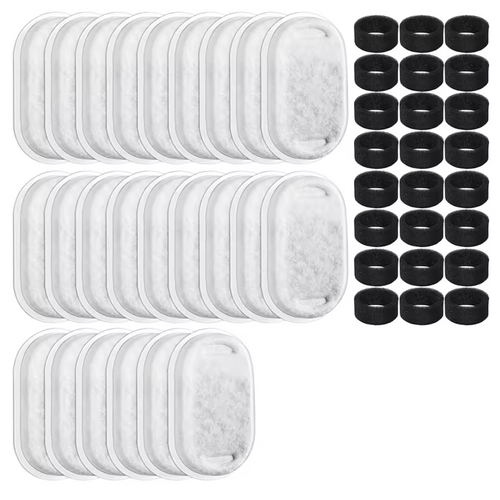
- Filter: Replace according to manufacturer’s instructions (often every 2–4 weeks). See our filter guidance.
- Check for scratches: Replace plastic fountains that develop deep scratches or cloudiness.
| Task | Frequency |
|---|---|
| Rinse & Refill | Daily |
| Deep Clean | Weekly |
| Filter Replacement | 2–4 Weeks |
Why Flowing, Filtered Stainless Water Fountains Support Healthier Habits
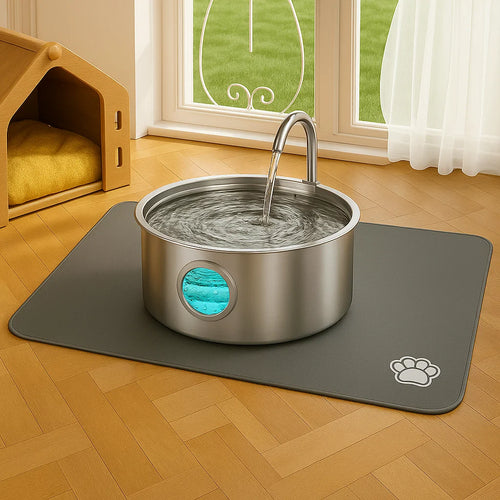
Dogs instinctively prefer clean, moving water—it tastes fresher because it is. Stainless steel fountains with advanced filtration provide the safest, easiest-to-clean environment for your dog’s daily hydration. They help reduce bacteria, prevent biofilm, and are built to last for years without retaining odors or scratches.
Ready to give your dog the gift of cleaner, fresher water? Explore the Pawdrate Filtered Water Fountain—crafted from premium stainless steel, thoughtfully designed for your home, and built for pets who deserve the best.