
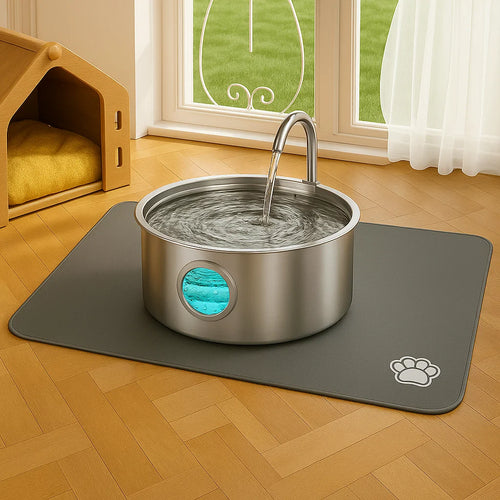


Your dog’s water fountain should be a source of health—not hidden hazards. If you’ve ever noticed a slippery film in your pet’s bowl or fountain, you’re not alone. That’s biofilm, and it’s more common (and more important to address) than many pet owners realize. This guide will empower you to understand, prevent, and manage biofilm for safer, healthier hydration at home.
Biofilm: What Is It and Why Does It Matter?
Biofilm is a thin, slippery layer of bacteria and organic debris that clings to surfaces in wet environments. Picture the film that develops on a river rock, or the residue sometimes found inside reusable water bottles. In your dog’s fountain, biofilm can form in as little as 24–48 hours, especially in hard-to-reach crevices or on porous materials.
While some bacteria are a natural part of life, biofilm can harbor harmful pathogens. These not only make water taste or smell off (discouraging your dog from drinking), but can also increase the risk of stomach upset, mouth infections, or, for immune-compromised pups, more serious illness.
How Does Biofilm Form in Pet Water Fountains?
Biofilm starts when bacteria in your home’s environment—carried by fur, saliva, dust, or even tap water—find a moist, nutrient-rich spot. Once attached, they multiply and secrete a sticky substance, creating a protective matrix that clings tightly to surfaces. This makes biofilm tough to fully remove unless you clean regularly and use the right materials.
Key risk factors:
- Material type: Plastic is porous and easily scratched, providing ideal hiding places for bacteria. Stainless steel is smooth and non-porous, making it much harder for biofilm to gain a foothold.
- Stagnant water: Still water allows bacteria to multiply faster. Flowing, filtered water disrupts bacterial growth and helps keep surfaces cleaner.
- Cleaning frequency: Infrequent cleaning—even just a few days—lets biofilm mature and become more resistant to removal.
Why Biofilm Prevention Supports Your Dog’s Health
Clean, flowing water is essential for your dog’s kidney function, energy, and skin health. Biofilm isn’t just a cleanliness issue—it can directly impact your pet’s willingness to drink and their overall well-being. Dogs with chronic dehydration may show fatigue, increased risk of urinary tract infections, or dull coats. Eliminating biofilm helps ensure every sip is safe and appealing.
How Often Should You Clean Your Dog’s Fountain?
| Task | Frequency | Why |
|---|---|---|
| Quick rinse of bowl & surfaces | Daily | Removes saliva, debris, slows biofilm formation |
| Full disassembly & deep clean | Weekly | Breaks up established biofilm, ensures all parts are clean |
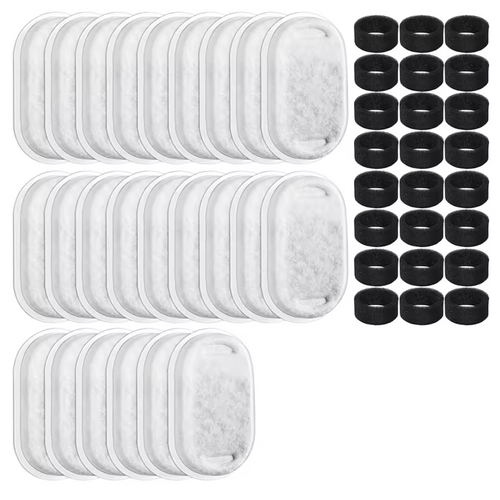
| Filter replacement | Every 3–4 weeks (or as directed) | Prevents buildup and keeps water fresh |
Material Matters: Stainless Steel vs. Plastic vs. Ceramic
| Material | Hygiene | Durability | Biofilm Resistance |
|---|---|---|---|
| Stainless Steel | Excellent—non-porous, easy to sanitize | High—resists scratches, lasts for years | Best—most difficult for biofilm to adhere |
| Plastic | Poor—porous, accumulates scratches | Low—can crack, degrade over time | Highest—biofilm forms quickly |
| Ceramic | Good—non-porous but can chip | Medium—may chip or craze | Better than plastic, but may develop biofilm in scratches |
Step-by-Step: How to Prevent Biofilm in Your Dog’s Fountain
- Start with stainless steel. Choose a fountain made from smooth, non-porous stainless steel for the greatest resistance to biofilm and easiest cleaning.
- Set a daily rinse reminder. Quickly rinse the bowl and visible surfaces with warm water every day.
- Do a weekly deep clean. Take apart the fountain, scrub with a pet-safe brush and gentle soap, and rinse thoroughly. Pay special attention to spouts, corners, and any filter areas.
- Replace filters on schedule. Mark your calendar for filter changes to keep water fresh and flowing.
- Check for slime or odors. If you notice persistent sliminess or off smells, repeat a deep clean—and consider replacing older plastic or ceramic fountains.
Calculator: Is Your Dog Drinking Enough?
| Dog Weight | Min. Water (ml/day) | Max. Water (ml/day) | US Cups (approx.) |
|---|---|---|---|
| 10 lbs (4.5 kg) | 110 | 225 | 0.5–1 |
| 25 lbs (11.5 kg) | 275 | 570 | 1–2.5 |
| 50 lbs (23 kg) | 575 | 1,150 | 2.5–5 |
| 80 lbs (36 kg) | 900 | 1,800 | 4–7.5 |
(General guideline: 25–50 ml of water per kg of body weight per day. Needs vary by diet, activity, and health. Ask your vet for personalized advice.)
When to Call the Vet
Make Biofilm Prevention Easy (and Stylish)
Keeping your dog’s water fresh shouldn’t be a struggle. Stainless steel, flowing water, and a consistent cleaning routine are your best allies in biofilm prevention. A high-quality, filtered stainless-steel fountain—like Pawdrate’s—removes the most common roadblocks to clean hydration, helping every sip support your dog’s health for years to come.