


As a devoted dog parent, you want every day with your companion to be vibrant, energetic, and full of tail wags. But have you ever wondered if what's in your dog's water bowl could be quietly working against their health?
If you’ve noticed a grimy bowl (again), a pup who seems tired, or simply want to give your dog the healthiest life possible, you’re in the right place. In this guide, you’ll learn why veterinarians recommend stainless steel fountains, how proper hydration supports your dog’s kidneys, skin, and energy, and how you can easily upgrade your dog’s drinking routine for lasting wellness.
- Dogs need 25–50 ml of water per kg of body weight daily (about 0.5–1.0 oz/lb).
- Stainless steel fountains prevent bacteria buildup and are easier to clean than plastic or ceramic.
- Moving, filtered water encourages dogs to drink more—helping prevent UTIs, kidney issues, and fatigue.
- Regular cleaning is essential: rinse daily, deep-clean weekly, and replace filters per guidelines.
- If your dog shows signs of dehydration, consult your veterinarian promptly.
Why Hydration Matters More Than You Think
Water isn’t just a thirst-quencher—it’s the foundation of your dog’s health. Proper hydration supports every system, from temperature regulation and digestion to kidney function and a soft, shiny coat. Even mild dehydration can lead to fatigue, dry skin, and increased risk of urinary tract infections.
How Much Water Does Your Dog Really Need?
While every dog’s needs vary, a good general rule is 25–50 milliliters per kilogram (about 0.5–1.0 ounces per pound) of body weight per day. Factors like diet (kibble vs. wet food), activity level, and weather all play a role—active dogs or those living in warmer climates may need more.
| Dog Weight | Daily Water Needs |
|---|---|
| 10 lbs (4.5 kg) | 5–10 oz (150–300 ml) |
| 25 lbs (11 kg) | 13–25 oz (325–650 ml) |
| 50 lbs (23 kg) | 25–50 oz (650–1300 ml) |
| 75 lbs (34 kg) | 38–75 oz (975–2000 ml) |
Tip: Track your dog’s daily intake for a few days to get a sense of their baseline. If you notice a sudden drop or increase, it’s time to connect with your vet.
The Hidden Dangers of Ordinary Bowls
We rarely think of the humble water bowl as a risk. But traditional bowls—especially plastic or even some ceramics—can harbor hidden dangers. Over time, tiny scratches and porous surfaces trap bacteria and encourage biofilm (that slimy layer you sometimes feel), which can lead to illness or aversion to drinking.
A recent study found that plastic pet bowls often have higher levels of bacterial contamination, which is linked to skin infections and digestive issues. Ceramic bowls, if chipped or not glazed properly, can also develop micro-cracks that harbor germs. Even diligent daily rinsing may not be enough to keep harmful microbes at bay.
Material Matters: Stainless vs. Plastic vs. Ceramic
| Material | Hygiene | Durability | Biofilm Risk | Ease of Cleaning |
|---|---|---|---|---|
| Stainless Steel | Non-porous, resists bacteria | High (won't chip or scratch) | Low | Dishwasher-safe, easy |
| Plastic | Porous, scratches easily | Low (scratches, warps) | High | Can trap odors, hard to sanitize |
| Ceramic | Can be hygienic if glazed | Medium (can chip) | Medium | Heavy, can stain |
Veterinarians consistently recommend stainless steel for its non-porous surface, resistance to scratches, and ease of cleaning. Combined with moving water, it creates a far less hospitable environment for harmful microbes.
Why Choose a Stainless Steel Dog Fountain?
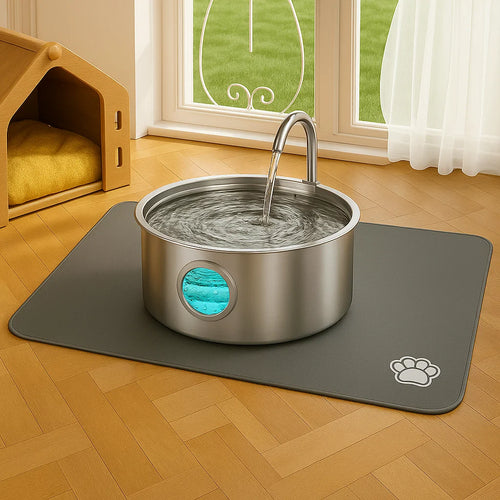
Imagine a mountain stream versus a stagnant pond—dogs instinctively prefer running water. That’s because flowing water is fresher, cooler, and less likely to harbor odors or bacteria. Stainless steel fountains take this a step further: their advanced filtration and constantly circulating water help remove debris and keep water oxygenated.
- Encourages drinking: Many dogs drink more from a fountain, helping prevent dehydration, UTIs, and kidney problems.
- Stops biofilm: Moving water and non-porous steel vastly reduce slime and bacteria.
- Easy to clean: Most stainless fountains are dishwasher-safe and don’t stain or retain odors.
- Long-lasting: Stainless steel resists denting, chipping, and corrosion.
How Often Should You Clean a Dog Fountain?
| Task | Frequency |
|---|---|
| Quick Rinse & Refill | Daily |
| Deep Clean (dishwasher or by hand) | Weekly |
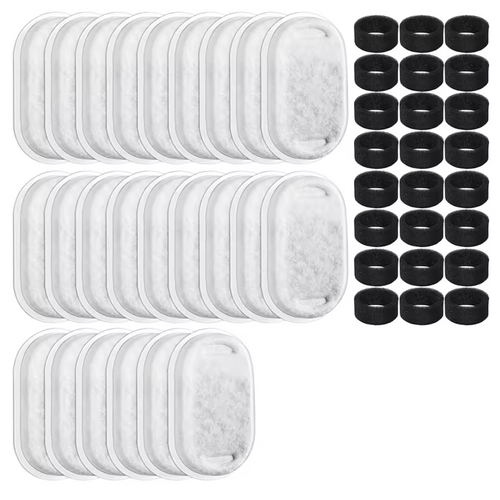
| Filter Replacement | Per manufacturer (often 2–4 weeks) |
Consistent cleaning keeps water fresh and healthy—just as nature intended.
Ready to Give Your Dog the Gift of Better Hydration?
Upgrading to a stainless steel dog fountain is a simple step that brings noticeable benefits—healthier kidneys, more energy, and a cleaner, fresher water experience for your best friend. If you’re ready for your dog to enjoy clean, flowing water every day, explore the Pawdrate Filtered Water Fountain. It’s designed for easy cleaning, advanced filtration, and a look that suits any home.