


As a dedicated dog parent, you want every day with your pup to be vibrant, playful, and healthy. But have you ever paused at your dog’s water bowl and wondered: is this really the best way to keep them hydrated? If you’ve struggled with slime buildup in bowls or worried about your dog’s drinking habits, you’re not alone. Let’s explore how water fountains and bowls stack up—so you can make the healthiest choice for your furry family member.
- Water fountains circulate and filter water, keeping it fresher and reducing bacteria.
- Bowls require frequent cleaning to avoid slime and contamination.
- Material matters: Stainless steel is most hygienic; plastic harbors bacteria.
- Dogs generally drink more from moving water, supporting kidney health and energy.
- Maintenance routines differ—learn what’s best for your lifestyle below.
Why Hydration Matters for Every Dog
Water is essential to your dog’s energy, kidney function, digestion, and even the shine of their coat. Yet, studies show that dogs often drink less than they should—especially if their water isn’t fresh or appealing. Chronic low-level dehydration is common and can increase the risk of urinary issues, fatigue, and overheating.
Fountain vs Bowl: A Side-by-Side Comparison
| Feature | Water Fountain | Bowl |
|---|---|---|
| Water Freshness | Continuously filtered & circulated | Stagnant—needs frequent refilling |
| Bacteria Risk | Reduces slime, inhibits bacteria | Biofilm/slime forms quickly |
| Material Hygiene | Stainless steel (optimal) | Often plastic (higher bacteria risk) |
| Appeal to Dogs | Encourages drinking—moving water is instinctively attractive | Some dogs avoid stagnant water |
| Cleaning Frequency | Weekly deep clean + filter change | Daily washing recommended |
Material Matters: Stainless Steel vs. Plastic vs. Ceramic
| Material | Hygiene | Biofilm Risk | Durability |
|---|---|---|---|
| Stainless Steel | Resists bacteria, easy to sanitize | Low | Very high |
| Plastic | Porous, scratches easily | High | Low |
| Ceramic | Non-porous, but can crack | Medium | Moderate |
How Much Water Does Your Dog Need?
The general guideline: Dogs should drink about 25–50 ml per kg (0.4–0.8 oz per lb) of body weight daily. This varies by diet, activity, and weather. For example, a 50-pound (23 kg) dog needs roughly 1–2 liters (34–68 oz) per day.
| Dog Weight | Min Intake (oz) | Max Intake (oz) |
|---|---|---|
| 10 lbs (4.5 kg) | 4 | 8 |
| 25 lbs (11 kg) | 10 | 20 |
| 50 lbs (23 kg) | 20 | 40 |
| 75 lbs (34 kg) | 30 | 60 |
Note: Puppies, nursing moms, and active breeds may need more. Consult your veterinarian for exact needs.
Cleaning Routines: Fountain vs Bowl
| Water Solution | Daily | Weekly | Monthly |
|---|---|---|---|
| Bowl | Wash and refill | Deep clean & sanitize | Replace if worn/scratched |
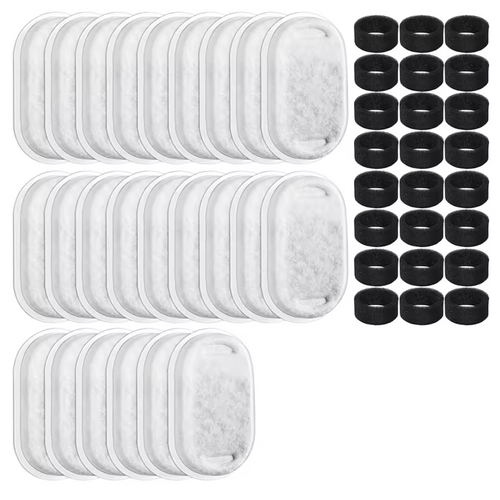
| Fountain | Top up water, quick rinse | Disassemble, thorough clean, replace filter (as directed) | Inspect for wear, replace parts if needed |
Does a Fountain Really Make a Difference?
Many dog owners see a noticeable boost in their dog’s water intake with a fountain. The sound and movement mimic natural streams—instinctively encouraging drinking. For picky drinkers, senior dogs, or large breeds that need more water, a fountain can be especially helpful.
When to Call the Vet
Empowering Healthier Habits—for Life
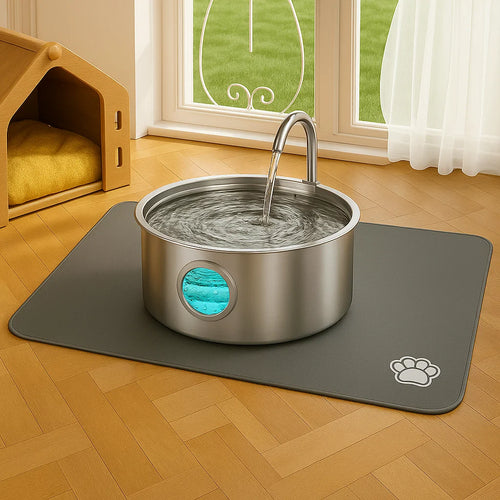
Clean, circulating water isn’t just a luxury—it’s a simple way to support your dog’s vitality, skin, and kidney health. Switching to a filtered, stainless steel fountain can make daily hydration easier, fresher, and safer for your pup—and more convenient for you. Explore how a Pawdrate fountain can fit seamlessly into your routine here.