


As loving dog owners, we want the best for our pets. But even with the right food, regular walks, and cozy beds, it’s easy to overlook one essential ingredient for health: fresh, clean water. If you’ve ever wondered whether a moving, filtered water source makes a real difference, you’re not alone. This article unpacks the science and everyday benefits of circulating water for pets—and how this simple change can give your dog a longer, healthier life.
- Circulating water mimics natural streams, attracting pets to drink more often.
- Fresh, moving water discourages bacteria growth and biofilm compared to stagnant bowls.
- Better hydration supports energy, kidney function, and urinary tract health.
- Stainless-steel fountains are more hygienic and easier to clean than plastic or ceramic.
- Regular upkeep ensures safe, appealing water for your pet—helping prevent dehydration.
Why Flowing Water Attracts Pets—It’s in Their Nature
In the wild, animals instinctively seek out moving water—think bubbling creeks or gentle streams—because it’s fresher and less likely to harbor harmful bacteria. Stagnant ponds, by contrast, can quickly become breeding grounds for microbes and debris. Our dogs (and cats) haven’t forgotten this instinct. That’s why you might notice your pup sniffing at the garden hose or trying to drink from a running faucet while ignoring a bowl that sits untouched all day.
How Circulating Water Supports Your Dog’s Health
Consistent hydration is critical for your dog’s well-being. Here’s how flowing water makes a difference:
- Encourages more drinking: The gentle motion and fresh taste entice pets to drink more, helping them avoid subtle dehydration.
- Promotes kidney and urinary tract health: Adequate water intake flushes toxins and supports organs—especially important for breeds prone to urinary issues.
- Supports energy levels and skin/coat: Hydrated pets are more energetic, with healthier skin and shinier coats.
- Reduces bacteria growth: Constant circulation keeps water oxygenated and less welcoming to bacteria, especially compared to stagnant bowls.
How Much Water Does Your Dog Need?
As a rule of thumb, dogs should drink about 25–50 ml per kilogram (about 0.5–1.0 oz per pound) of body weight daily. Needs vary by activity, diet (kibble-fed dogs need more), weather, and health. Use the table below to estimate your dog’s needs—but always watch for individual cues.
| Dog’s Weight | Daily Range |
|---|---|
| 10 lbs (4.5 kg) | 5–10 oz (150–300 ml) |
| 25 lbs (11 kg) | 12–25 oz (350–750 ml) |
| 50 lbs (23 kg) | 25–50 oz (750–1,500 ml) |
| 75 lbs (34 kg) | 38–75 oz (1,150–2,250 ml) |
| 100 lbs (45 kg) | 50–100 oz (1,500–3,000 ml) |
Always consult your vet for personalized guidance, especially if your dog’s drinking habits change suddenly.
Stagnant Bowls vs. Circulating Fountains: Hygiene Matters
Still water in bowls quickly accumulates slime (biofilm), food particles, hair, and bacteria—even after just a day. This isn’t just unappetizing; it can also harbor pathogens that affect your pet’s health. Circulating water, especially when filtered, stays cleaner, tastes fresher, and is safer for your pet.
Material Matters: Stainless Steel, Plastic, or Ceramic?
| Material | Hygiene | Durability | Biofilm Risk | Ease of Cleaning |
|---|---|---|---|---|
| Stainless Steel | Excellent (non-porous) | Very High | Low | Easy (dishwasher safe) |
| Plastic | Poor (scratches trap bacteria) | Low–Moderate | High | Harder (holds odors, stains) |
| Ceramic | Good (if unchipped) | Moderate | Medium | Moderate |
Keeping Water Clean: Simple Maintenance Guide
- Daily: Rinse and refill with fresh water.
- Weekly: Deep clean the entire fountain (check manufacturer’s guide).
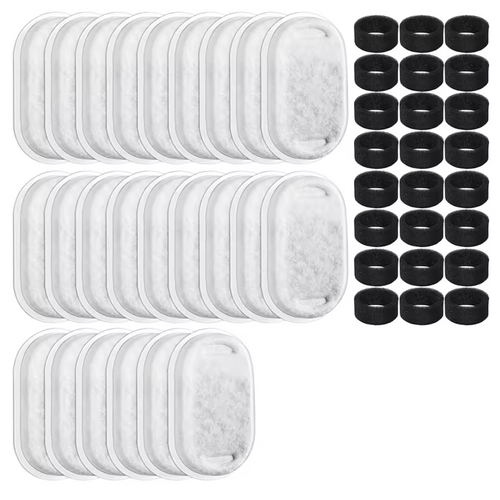
- Monthly: Replace filters as recommended (often every 2–4 weeks).
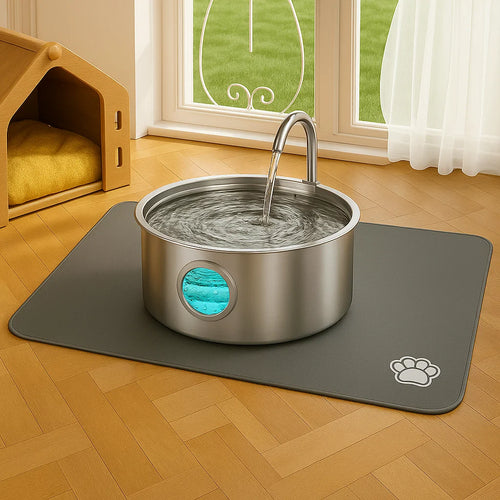
Stainless-steel fountains, like those from Pawdrate, are simple to clean and resist buildup, helping maintain a safer, fresher water source for your dog.
Making the Switch: Healthier Habits for Life
Switching to a circulating, filtered stainless-steel fountain can transform your pet’s drinking habits—offering cleaner, fresher water that encourages daily hydration. This small upgrade can help prevent dehydration-related issues and support kidney, urinary, and whole-body health.
If you’re considering this change, explore our premium stainless-steel water fountains designed for easy cleaning, hygiene, and a modern look that fits beautifully in any home.