


As loving dog owners, we want to give our dogs the happiest, healthiest lives possible. Yet, it’s surprisingly easy to miss the signs of silent dehydration—especially since dogs can’t simply tell us when they’re thirsty. Whether you’re concerned about your dog’s energy, want to prevent kidney issues, or just want a shinier coat, understanding their water needs is a crucial first step.
In this guide, you’ll discover how much your dog should drink daily (with a handy chart!), how to spot dehydration, and why the right water bowl and cleaning routine make all the difference.
What to Know: Dog Hydration at a Glance
- Most dogs need about 25–50 ml of water per kg (0.4–0.8 oz/lb) of body weight per day.
- Hydration needs vary by size, activity, diet, and weather.
- Dehydration can cause fatigue, kidney strain, and dull coat.
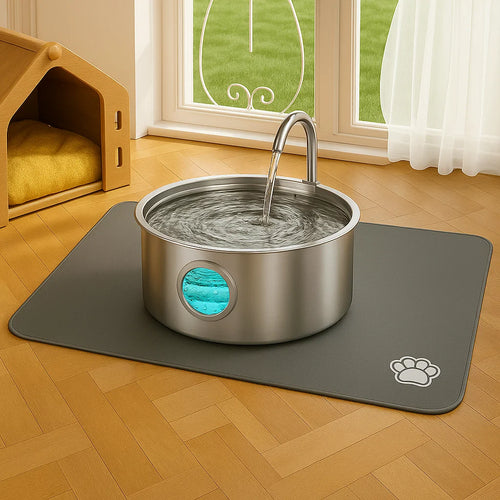
- Stainless-steel, circulating fountains help keep water fresher and cleaner than plastic bowls.
- Always consult your vet if you notice sudden changes in drinking habits or concerning symptoms.
How Much Water Does Your Dog Need? (Chart Included)
The right amount of water depends on your dog’s weight, activity level, food type (dry vs. wet), and the season. As a general guideline, healthy adult dogs need about 25–50 milliliters (ml) of water per kilogram of body weight per day. That’s roughly 0.4–0.8 ounces per pound.
Here’s a quick-reference chart to help you estimate your dog’s daily water needs:
| Dog Weight | Water Needed (ml/day) | Water Needed (oz/day) | Example Breeds |
|---|---|---|---|
| 10 lbs (4.5 kg) | 110–225 ml | 3.7–7.6 oz | Dachshund, Toy Poodle |
| 25 lbs (11.3 kg) | 280–565 ml | 9.5–19 oz | Cocker Spaniel, French Bulldog |
| 50 lbs (22.7 kg) | 565–1,135 ml | 19–38 oz | Border Collie, Boxer |
| 75 lbs (34 kg) | 850–1,700 ml | 29–57 oz | Golden Retriever, German Shepherd |
| 100 lbs (45.4 kg) | 1,135–2,270 ml | 38–76 oz | Labrador, Great Dane |
Note: These are general guidelines. Puppies, nursing moms, very active dogs, and those on dry food may need more. Wet food reduces the need for extra water. Always provide fresh water and adjust for your dog’s unique needs.
How to Tell If Your Dog Is Drinking Enough
Dogs can’t always communicate thirst, and some breeds may be less inclined to drink. Here are signs your dog is well hydrated—and what to watch for:
Signs of Good Hydration
- Bright, moist eyes
- Supple skin (gently pinch at the neck—should spring back quickly)
- Moist nose and gums
- Normal energy and appetite
Signs of Mild to Moderate Dehydration
- Lethargy or low energy
- Dry gums or nose
- Sticky saliva
- Skin stays tented when pinched
- Dark yellow urine or less frequent urination
Signs of Severe Dehydration (Emergency)
- Sunken eyes
- Collapse or inability to stand
- Very dry mouth and gums
- Rapid heart rate, panting
When to Call the Vet
If your dog refuses water for more than 24 hours, shows severe dehydration signs, vomits, or seems disoriented, contact your veterinarian promptly. Sudden changes in drinking can signal underlying health issues.
This article is informational and not medical advice. Consult your vet for personalized care.
Encouraging Healthy Hydration: Practical Tips
- Offer fresh, clean water in multiple locations.
- Use a pet-safe, flowing fountain to attract picky drinkers and prevent stagnation.
- Clean bowls and fountains regularly—bacteria and biofilm love standing water!
- Increase water during hot weather or after exercise.
- Track intake if you’re unsure—use a measuring cup for accuracy.
Water Hygiene: Why Material and Cleaning Matter
| Material | Hygiene | Durability | Biofilm Risk |
|---|---|---|---|
| Stainless Steel | Easy to sanitize, doesn’t harbor bacteria | Very high | Low |
| Plastic | Scratches easily, can trap bacteria | Low | High |
| Ceramic | Generally hygienic if glazed and intact | Medium | Medium |
Stainless-steel fountains make it much easier to keep water safe and appetizing—especially when combined with continuous flow and advanced filtration. This not only supports daily hydration but can help reduce the risk of UTIs and skin issues over time.
Cleaning Cadence for Healthy Hydration
| Task | Frequency |
|---|---|
| Rinse bowl/fountain | Daily |
| Deep clean (soap and hot water) | Weekly |
| Filter replacement (if applicable) | Every 2–4 weeks |
Consistency is key. Clean water is more appealing to dogs and supports their health long term.
Take the Next Step: Make Hydration Effortless
Choosing a high-quality, stainless-steel, filtered fountain can make it simple to keep your dog’s water fresher, cleaner, and more inviting—especially for picky drinkers or busy households.
If you’re ready to give your dog the gift of healthier hydration, explore our premium stainless-steel water fountain—designed for easy cleaning, freshness, and peace of mind.
Empowering Takeaway: Hydration is a daily gift that supports your dog’s energy, kidney health, and happiness. With the right habits—and the right tools—you can help your best friend thrive every day.