


As a loving dog parent, there’s nothing more frustrating than discovering a slimy film in your pet’s fountain—especially when you want only the best for them. Biofilm is more than just a nuisance; it can affect your dog’s health, water enjoyment, and even your peace of mind. If you’ve ever scrubbed a bowl only to have it feel slippery again days later, you’re not alone.
This guide will help you understand what biofilm is, why it matters, and how to stop it from forming—empowering you to give your dog the healthiest hydration, every day.
- Biofilm is a slimy layer of bacteria that forms on surfaces in standing water.
- Stainless steel fountains resist biofilm better than plastic or ceramic models.
- Routine cleaning (daily rinse, weekly scrub) is essential for hygiene.
- Proper filtration and water movement reduce biofilm risk.
- Always consult your veterinarian if your pet avoids water or shows signs of illness.
What Is Biofilm and Why Does It Form in Pet Fountains?
Biofilm is a sticky matrix of bacteria and microorganisms that clings to surfaces exposed to water. You feel it as that slippery layer inside your dog’s bowl or fountain. While biofilm is common, it’s not harmless: it can harbor harmful bacteria, create unpleasant odors, and discourage your dog from drinking.
Why Biofilm Matters: Health Risks for Your Dog
- Reduced water intake: Dogs may avoid drinking from slimy or bad-smelling fountains, leading to dehydration.
- Bacterial exposure: Some strains in biofilm can cause upset stomach, skin irritation, or, rarely, more serious health issues.
- Dental and mouth health: Persistent bacteria can contribute to oral health problems over time.
Preventing biofilm is a simple yet vital step to support your dog’s daily health and hydration.
Material Matters: Why Stainless Steel Is Best for Biofilm Prevention
| Material | Biofilm Resistance | Durability | Cleaning Ease |
|---|---|---|---|
| Stainless Steel | Excellent | High | Very Easy |
| Plastic | Low (Porous) | Prone to scratches | Needs frequent, aggressive cleaning |
| Ceramic | Moderate (if glazed) | Can chip/crack | Can stain over time |
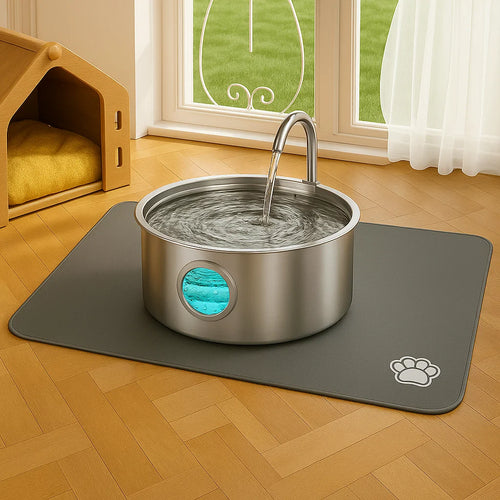
Stainless steel fountains, like Pawdrate’s, offer the cleanest, most hygienic option—naturally repelling biofilm and making cleaning a breeze.
Cleaning Cadence: How Often Should You Clean?
| Task | Recommended Frequency |
|---|---|
| Quick Rinse (empty, rinse, refill) | Daily |
| Deep Clean (disassemble, scrub, sanitize) | Weekly |
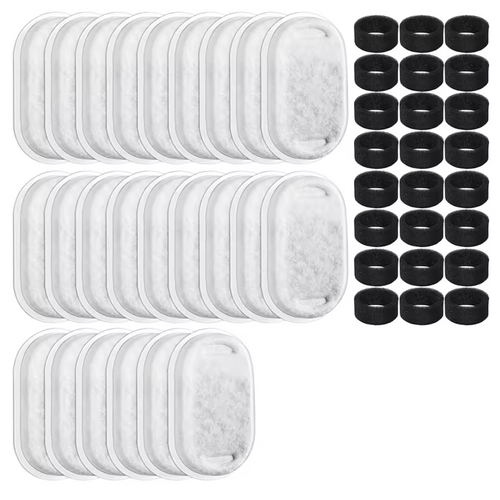
| Filter Replacement | Every 3–4 weeks (or as directed) |
Even the best materials need routine care. Mark your calendar or set a phone reminder to keep your pet’s water fresh and safe.
Step-by-Step: How to Prevent Biofilm in Your Dog’s Fountain
- Choose a stainless-steel fountain for best biofilm resistance and easy cleaning.
- Keep water moving: Fountains with constant circulation make it harder for bacteria to settle.
- Use multi-stage filtration to capture debris, hair, and microorganisms before they form biofilm.
- Clean regularly (see table above).
- Use the right cleaning tools: A dedicated soft sponge, mild unscented soap, and a small brush for crevices.
- Rinse thoroughly to remove all soap residue.
- Air dry or towel dry all parts before reassembling.
Avoid harsh chemicals (like bleach) unless recommended by your fountain manufacturer, as residues can harm your pet.
When to Call the Vet
Water Intake Table: How Much Should My Dog Drink?
| Dog Weight (lbs) | Approx. Daily Water Needs (oz) | Daily Water Needs (ml) |
|---|---|---|
| 10 | 8–16 | 250–500 |
| 25 | 20–40 | 600–1200 |
| 50 | 40–80 | 1200–2400 |
| 75 | 60–120 | 1800–3600 |
| 100 | 80–160 | 2400–4800 |
General guideline: 25–50 ml/kg/day. Puppies, active dogs, and those on dry food may need more. Ask your vet for customized advice if you’re ever unsure.
Empowering Good Habits: The Case for Flowing, Filtered, Stainless Water
Choosing a premium, stainless-steel fountain with strong filtration and constant water movement is the single best way to make fresh, healthy water part of your dog’s daily life. When cleaning is easy, you’re more likely to do it—protecting your pet from hidden risks and supporting their overall well-being.
Discover how a Pawdrate stainless-steel fountain can simplify clean, healthy hydration for your pet.
Takeaway: Clean Water, Confident Care
With just a few simple habits and the right fountain, you can outsmart biofilm and give your dog the clean, appealing water they crave—every single day.
This article is informational and not medical advice. Always consult your veterinarian for concerns about your pet’s health or hydration.