
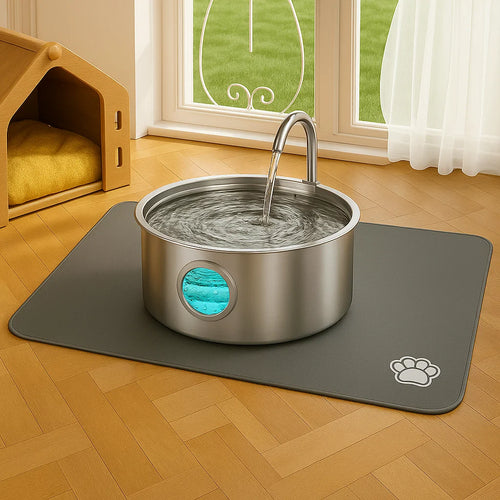
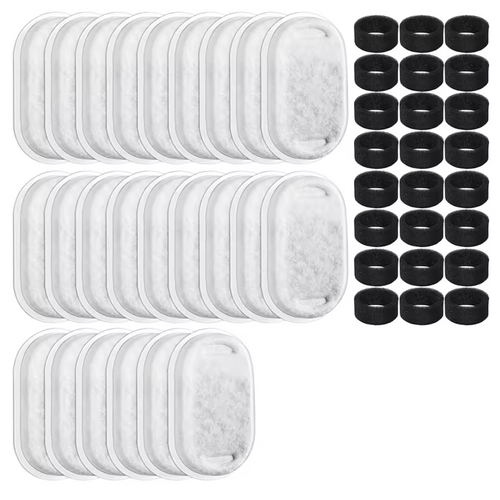


As a loving dog parent, you know how much your pups health depends on clean water. But even the best water fountains need a little routine careand the question of how often to change the filter can be surprisingly tricky. Maybe youve noticed your dog hesitating at their bowl, or maybe youre just trying to do things right from the start. Either way, you want to be sure youre keeping your dogs water as fresh and safe as possible.
In this guide, well break down what really matters about filter changes: the science, the signals, the schedule, and how to make it all hassle-free. Youll also find practical tables, step-by-step cleaning tips, and answers to the most common dog-parent questions. Lets set your mind at ease and keep your best friends water sparkling cleanevery single day.
- Most pet fountain filters should be changed every 26 weeks, depending on your dogs habits and water quality.
- Signs you need a new filter: odors, slowed water flow, or visible debris.
- Stainless-steel fountains and advanced filters resist bacteria longer, but still need regular changes for peak performance.
- Rinse or clean filters weekly (even if not replacing yet) for best results.
- Always follow your fountains instructionsand consult your vet for dogs with special needs.
Why Filter Changes Matter for Your Dogs Health
Just like us, dogs need clean water to feel their best. Water that sits too long, even in a fancy fountain, can develop tiny particles, bacteria, and odors. Over time, a clogged or dirty filter can let more contaminants throughor slow down the fountain so your dog drinks less.
Since dogs kidneys, urinary tract, and skin all depend on hydration, keeping filtered water flowing is about more than just taste. It helps lower the risk of UTIs, keeps their coat shinier, and can even boost their energy. A clean filter means every sip is as safe and fresh as possible.
How Often Should You Change the Filter?
Heres the short answer: most pet water fountain filters should be changed every 24 weeks. But your perfect schedule may vary, depending on:
- Number and size of dogs: More pets or large breeds = more water used and more hair/debris.
- Water quality: Hard water or high mineral content can clog filters faster.
- Fountain material: Stainless-steel models, like Pawdrate, resist bacteria better than plastic, but filters still fill up with hair and particles.
- Type of filter: Type of filter may affect longevity and performance.
Use the table below as a general guideline, but always check your specific models instructions and adjust for your households needs.
| Filter Type | Typical Replacement Interval | Key Factors |
|---|---|---|
| Activated Carbon Only | 2 weeks | Removes odors & some debris; best for 1 small dog |
| Multi-Stage (Carbon + Mesh/Foam) | 3 weeks | Captures more hair & particles; best for multiple or large dogs |
| Advanced Multi-Layer | 4 weeks (sometimes up to 6) | Longer-lasting (e.g., Pawdrate); check visually every 2 weeks |
Note: If your water is especially hard or you have multiple pets, consider changing more frequently.
Signs Its Time to Replace the Filter
- Water smells off, or tastes strange (your dog may refuse to drink).
- Water flow is reduced or uneven.
- Visible debris, slime, or hair inside the filter compartment.
- Filter itself is discolored, slimy, or falling apart.
- Your dogs drinking less, or showing signs of dehydration (see below).
Trust your senses and your dogs habitsif something seems "off," swap the filter even if its ahead of schedule.
Filter Changes vs. Fountain Hygiene: The Full Routine
Changing the filter is just one part of keeping your dogs water truly clean. Heres a simple cadence to help:
| Task | How Often | Best Practice |
|---|---|---|
| Rinse Fountain & Filter | Daily | Quick rinse under warm water, wipe away visible debris |
| Deep Clean (Fountain & Reservoir) | Weekly | Disassemble, scrub with mild soap, rinse thoroughly |
| Replace Filter | Every 24 weeks | Mark calendar, keep spares handy |
Stainless-steel fountains are less prone to biofilm (slimy buildup) than plastic or ceramic, but filters still need regular attention for optimal water quality and dog health. Learn more about biofilm prevention to keep water fresh.
Material Matters: Why Stainless-Steel Fountains Offer an Edge
| Material | Hygiene | Durability | Biofilm Risk |
|---|---|---|---|
| Stainless Steel | Excellent | High | Low |
| Plastic | PoorFair (scratches harbor bacteria) | LowMedium | High |
| Ceramic | Good (if unchipped) | Medium | Medium |
Stainless-steel fountainslike those from Pawdratemake cleaning easier and extend the life of your filters by resisting grime and bacteria. This means less risk of that slimy buildup that can sneak up in plastic models.
Empowering Healthy Hydration: The Filter Change Checklist
- Check your filter visually every week and replace at first sign of dirt, odor, or discoloration.
- Mark your calendar or phone for regular 24 week swaps.
- Pair filter changes with your weekly deep clean for a simple routine.
- Keep spare filters on handorder extras before you run out.
Ready to make healthy hydration effortless? Flowing, filtered water from a high-quality, stainless-steel fountain can encourage your dog to drink more while reducing your cleaning workload. Explore Pawdrates stainless-steel fountain and discover how simple clean water can be.