
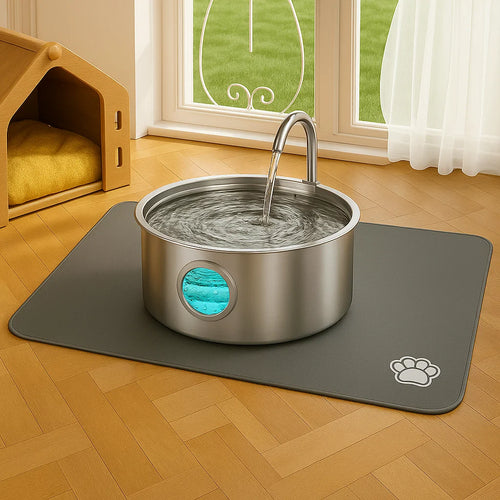


Empathy & Problem Recognition: As a devoted pet parent, you want the very best for your dogfrom nutrition to comfort and, importantly, to the water they drink every day. But with so many pet water filters and fountains on the market, how do you confidently choose the one that truly supports your pets health and safety? If you've found yourself worried about bacteria, odd tastes, or frustrating cleaning routines, youre not alone. In this guide, well help you understand what matters most when choosing the right water filter for pets so you can make a decision youand your dogwill feel good about.
Heres what youll learn:
- Why filtration and material matter for your dogs health
- What to look for in a safe, effective water filter or fountain
- How much water your dog really needs
- Simple, practical cleaning and care routines
Why Water Qualityand FiltrationMatters for Your Pet
Just as you care about the quality of water you drink, your dogs well-being depends on clean, fresh water. Even small amounts of bacteria, hair, or stale debris can discourage drinking or, over time, contribute to health issues like urinary tract infections, kidney strain, or skin problems. Filters help by capturing these invisible threats, keeping every sip refreshing and safe.
Most tap water in the U.S. is safe for pets, but a good filtration system is your extra layer of protectionespecially if your area has hard water, old pipes, or your dog is sensitive to taste or odor changes.
Key Factors: Materials, Filtration, and Flow
Material Matters: Stainless Steel vs. Plastic vs. Ceramic
| Material | Hygiene | Durability | Biofilm Risk |
|---|---|---|---|
| Stainless Steel | Excellent (non-porous, resists bacteria) | Very High | Low |
| Plastic | Poor (porous, scratches easily) | Low to Medium | High |
| Ceramic | Good (less porous than plastic) | Medium | Medium |
Why this matters: Bacteria and biofilm (a slimy layer) are more likely to build up on plastic, even with regular cleaning. Stainless steel is non-porous, resists scratches, and is preferred by veterinarians for both hygiene and longevity6:01Pawdrate_Brand_Guidelines.pdf5.
Filtration Stages: What Should Be Removed?
- Large Debris: Hair, food, or dirt from playful paws.
- Small Particles: Dust, fine sediments, or rust.
- Odors & Tastes: Activated carbon helps remove chlorine, odors, and flavors pets may dislike.
- Bacteria: Some advanced filters include antimicrobial layers, but always pair with a safe material and regular cleaning.
Look for a filter or fountain with multiple stages to address all these types of contaminants.
Movement: Flowing Water vs. Still Bowls
- Moving water naturally attracts pets and encourages healthy drinking habitsjust like streams in nature.
- Continuous circulation helps prevent bacterial growth and keeps water oxygenated and tasty circulation.
How Much Water Does My Dog Need?
Every dogs needs are unique, but a good general range is 2550 ml per kg (about 0.40.8 oz per pound) of body weight per dayadjusted for activity, weather, and diet (wet food eaters may drink less). Puppies, seniors, lactating dogs, and large breeds often have special hydration needs. Always provide more water than you think they'll useaccess is key.
| Dog Weight (lbs) | Daily Water Need (oz) |
|---|---|
| 10 | 48 |
| 25 | 1020 |
| 50 | 2040 |
| 75 | 3060 |
| 100 | 4080 |
Tip: Use this table as a starting point, but consult your vet for individualized adviceespecially if your dogs needs change.
Cleaning & Care: Keeping Water Safe
No matter how advanced your filter, regular cleaning is non-negotiable. This simple habit prevents biofilm, keeps water tasting fresh, and ensures your investment in a premium fountain pays off. Heres a practical cadence:
| Task | Frequency |
|---|---|
| Quick Rinse | Daily |
| Deep Clean (with pet-safe soap, full disassembly) | Weekly |
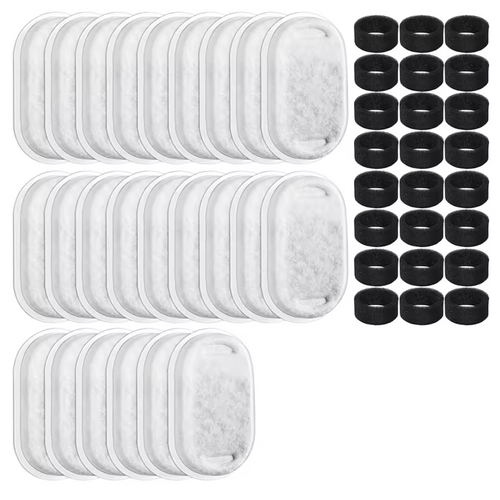
| Filter Replacement | Every 224 weeks (per product instructions) |
Stainless steel fountains make cleaning easierno stubborn stains, less biofilm, and dishwasher-safe parts. Avoid abrasive sponges to keep surfaces pristine and bacteria-resistant.
How to Choose: A Stepwise Checklist
- Prioritize Material: Stainless steel is best for hygiene, durability, and easy cleaning.
- Check Filtration Stages: Look for a multi-stage system (debris, carbon, antimicrobial if possible).
- Consider Flow: Moving water is more appealing and healthier for your pet.
- Maintenance: Choose a model thats easy to assemble, clean, and fits your home.
- Read Reviews: Look for real-world feedback, especially about cleaning and filter life.
Encouraging Better HabitsFor Life
Giving your dog consistently clean, filtered water is one of the simplest and most powerful ways to support their health, energy, and happiness. If youre ready to make the healthy choice easier for both of you, consider a premium stainless-steel filtered fountain. Its a small change that can make a big impact, day after day.
This article is informational and not medical advice. Always consult your veterinarian for personalized guidance.