
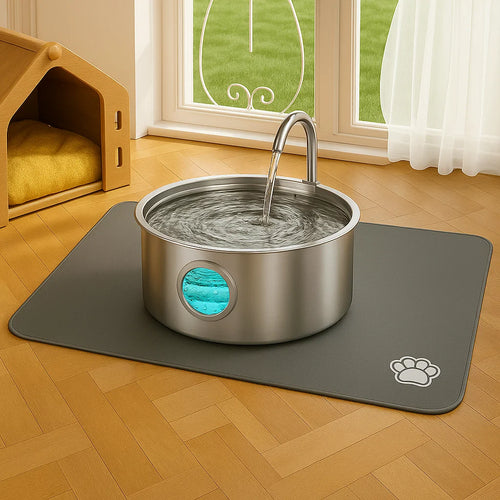


When you invest in a premium stainless steel water fountain for your dog, youre already one step ahead in protecting their health and hydration. But even the best fountain cant do its job if its not cleaned properly and regularly. Whether youre new to pet fountains or simply want to improve your cleaning game, this guide is for you.
We know you want your dogs water to be as fresh and pure as possibleand that means understanding both simple routines and why they matter. In this article, youll learn how often (and how) to clean your stainless steel fountain, which products to use or avoid, and how to keep every sip safe. Lets make clean water simple and stress-free.
- Stainless steel is the gold standard for pet fountainshygienic, durable, and easy to clean.
- Daily quick rinses and weekly deep cleans are essential for health and taste.
- Use non-abrasive sponges and pet-safe soaps; avoid bleach and strong chemicals.
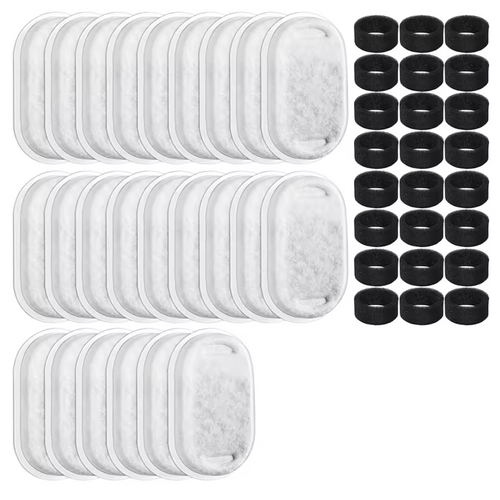
- Regular filter changes prevent bacteria and keep water crystal-clear.
Why Cleaning Your Stainless Steel Fountain Matters
Stainless steel resists bacteria and biofilm far better than plastic or ceramic. Even so, all water fountains can develop slime, mineral buildup, and hidden germs over timeespecially with the food particles, hair, and dust that naturally collect in a pets environment. Learn more about biofilm and how to prevent it.
- Health: Improperly cleaned fountains can harbor bacteria that lead to digestive upsets or even infections.
- Hydration: Dogs may refuse water that tastes or smells off, leading to dehydration risks.
- Longevity: Routine cleaning preserves your fountains finish and extends its life.
How Often Should You Clean Your Fountain?
| Task | Recommended Frequency |
|---|---|
| Quick Rinse (change water, wipe bowl) | Daily |
| Deep Clean (disassemble, scrub, check pump) | Weekly |
| Filter Replacement | Every 24 weeks (per manufacturer) |
Tip: During hot weather or for multidog households, consider deep cleaning more often.
StepbyStep: Cleaning Your Stainless Steel Pet Fountain
-
Unplug and Disassemble
Turn off and unplug the fountain. Remove all parts: bowl, pump, filter, and any attachments. -
Remove Old Water
Discard any remaining water. Rinse the bowl under running water to remove debris. -
Wash Each Part
Use warm water, a mild dish soap (free of strong scents and dyes), and a non-abrasive sponge. Gently scrub all stainless surfaces, paying special attention to seams and crevices. -
Clean the Pump
Check your manualmost pumps have a removable cover. Rinse and brush the impeller and housing using a soft brush or toothbrush. -
Rinse Thoroughly
Ensure all soap is removed. Soap residue can alter water taste and discourage drinking. -
Dry and Reassemble
Dry parts with a clean towel or air dry. Reassemble, insert a fresh filter if due, and refill with clean, cool drinking water.
What to Avoid: Never use bleach, harsh chemicals, or steel wool. These can damage the finish and leave harmful residues.
Material Matters: Stainless Steel vs. Plastic vs. Ceramic
| Material | Hygiene | Durability | Biofilm Risk | Cleaning Ease |
|---|---|---|---|---|
| Stainless Steel | Excellent | High | Low | Easy |
| Plastic | PoorFair | Medium | High | Harder |
| Ceramic | Good | Medium | Medium | Moderate |
Stainless steel is nonporous and resists scratches that trap bacteria, making it the safest and most hygienic choice for pet water fountains.
Common Questions & Troubleshooting
- Why does my fountain have spots or a film? This is usually mineral buildup or mild biofilm. Regular cleaning with vinegar (diluted 1:1 with water) can help. Always rinse thoroughly.
- Why does my dog avoid the fountain? Dogs are sensitive to smell and taste. Even small amounts of residue or stale water can be a turn-off. Stick to your cleaning schedule!
- How do I know if the filter needs changing? Reduced water flow, odor, or visible debris are signs. Change filters every 24 weeks, or more often with heavy use.
Printable: Weekly Cleaning Checklist
- Change water daily; quick rinse bowl
- Disassemble and deep clean all parts weekly
- Check and clean pump
- Replace filter as scheduled
- Wipe down exterior and surrounding area
Place this checklist near your fountain to keep your routine on track.
Better Habits, Healthier Dogs
Clean, flowing water is more than a convenienceits a core part of your dogs health and happiness. Stainless steel fountains make safe hydration easier, but their benefits depend on good care. Simple, regular cleaning keeps water tasting fresh, supports your pets kidneys and energy, and helps prevent avoidable vet visits.
If youre ready to upgrade your pets drinking experience, discover how a Pawdrate filtered stainless-steel fountain simplifies cleaning and puts your dogs health first.
Consistent care is a gift you give every day. Heres to many tail wags, clean bowls, and healthy sips ahead!
This article is informational and not medical advice. Always consult your veterinarian with specific health concerns.