


Every dog owner wants their best friend to stay healthy for as long as possible. Kidney disease is a silent risk many pet parents worry about, but a few small changeslike filtered watercan make a world of difference. In this guide, well break down how water quality affects kidney health, the science behind filtration, and practical steps you can start today to protect your dogs kidneys for years to come.
- Kidneys rely on daily hydration to filter toxins and support whole-body health.
- Unfiltered water can contain bacteria, heavy metals, and chemicals that strain kidney function over time.
- Filtered, flowing water encourages dogs to drink morehelping flush out waste and reduce kidney disease risk.
- Look for subtle early dehydration signs; consult your vet if you notice changes in drinking or urination.
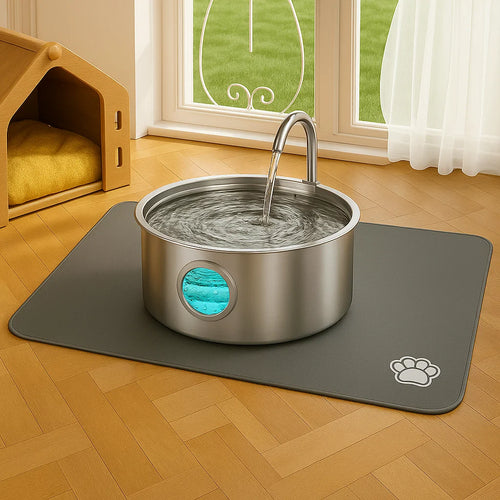
- Stainless-steel fountains are easiest to clean and resist biofilm buildup compared to plastic or ceramic.
Understanding Kidney Health in Dogs
Your dogs kidneys are small but mighty. They filter waste, regulate fluid balance, and keep essential minerals in check. If kidneys are under constant strainoften from dehydration or exposure to contaminantsdamage can accumulate slowly, sometimes without obvious symptoms until late in the process.
Why Water Quality Matters More Than You Think
Tap water can contain more than just H2O. Chlorine, fluoride, heavy metals (like lead), and even residual bacteria or pesticides may be present, depending on your local supply. While these levels are usually considered safe for people, pets are smaller and can be more sensitive to low-level exposure over time.
Filtered water removes many common contaminants, meaning your dogs kidneys have less work to do each day. Less strain means healthier filtering, less risk of crystal or sludge formation, and better long-term organ health.
How Flowing, Filtered Water Encourages Drinking
- Moving water tastes fresher and is more appealing to dogs, especially those prone to fussy drinking habits.
- Continuous circulation helps prevent bacterial growth and biofilmboth of which could otherwise increase the risk of urinary or kidney infections.
Stainless-steel fountains are especially helpful here. Not only are they easy to clean, but they also resist scratches (unlike plastic) that could harbor bacteria and lead to foul-tasting water or increased infection risk.
How Much Water Does Your Dog Really Need?
Most healthy adult dogs should drink between 2550 ml per kg (about 0.40.8 oz per lb) of body weight per day. Needs increase with heat, exercise, dry food diets, or underlying health issues. Puppies, seniors, and large breeds can be especially vulnerable to dehydration and kidney stress.
| Dog Weight | Minimum (ml/day) | Maximum (ml/day) | Oz/Day (approx) |
|---|---|---|---|
| 10 lbs (4.5 kg) | 110 | 225 | 3.77.6 |
| 25 lbs (11.3 kg) | 280 | 565 | 9.519.1 |
| 50 lbs (22.7 kg) | 570 | 1135 | 19.338.4 |
| 75 lbs (34 kg) | 850 | 1700 | 28.757.5 |
Signs Your Dog May Not Be Getting Enough Clean Water
- Early: Slightly dry gums, subtle lethargy, reduced skin elasticity
- Moderate: Sticky saliva, sunken eyes, concentrated/dark urine, decreased urination
- Severe: Collapse, vomiting, refusal to eat, marked weakness
If you notice any of these signs, encourage water intake immediately and consult your veterinarian for personalized advice.
Practical Steps to Support Your Dogs Kidneys at Home
- Switch to filtered, circulating water: Reduces exposure to harmful contaminants and encourages healthy drinking.
- Choose stainless steel: Resists bacteria and is easy to sanitizeunlike plastic or porous ceramic.
- Freshen water daily: Rinse and top up the bowl or fountain every day, especially in warm weather.
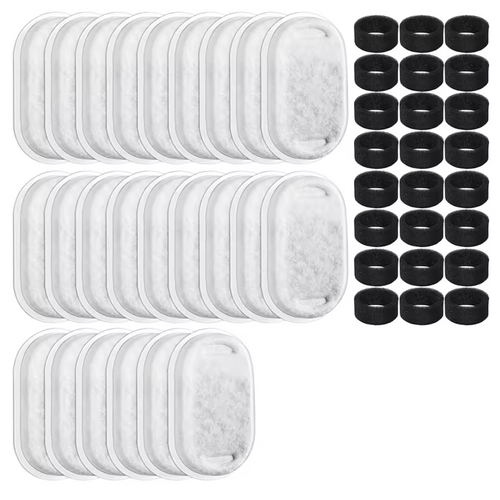
- Deep clean weekly: Disassemble and scrub your fountain (including filter, pump, and reservoir) with pet-safe soap. Replace filters on schedule. See how to clean your pet water fountain for detailed steps.
| Action | Frequency |
|---|---|
| Rinse & refill | Daily |
| Wipe fountain surfaces | Every 23 days |
| Deep clean/disassemble | Weekly |
| Replace filter | Per manufacturer (often 24 weeks) |
| Material | Hygiene | Durability | Biofilm Risk |
|---|---|---|---|
| Stainless steel | Excellent (easy to sanitize) | High | Low |
| Plastic | Poor (scratches harbor bacteria) | Low (can crack/fade) | High |
| Ceramic | Good (but chips over time) | Medium | Medium |
Encouraging Healthier Drinking Habits
Some dogs are naturally reluctant drinkersespecially if theyre picky about taste or sensitive to water temperature. Filtered, moving water can make a surprising difference in their willingness to drink, which in turn directly supports kidney health over time.
If youre considering an upgrade, stainless-steel fountains like Pawdrates filtered water fountain offer a simple, hygienic, and dog-friendly solution. Clean, flowing water isnt just a luxuryit helps protect your dogs kidneys, energy, and happiness every single day.
Empowering Takeaway
Filtered water is a small change with big health benefits. By making hydration as safe and appealing as possible, youre giving your dog the gift of a longer, healthier lifeone bowl at a time.