

Empathy meets expertise: If youve ever lifted your dogs water bowl and wondered about the slippery film coating the inside, youre not alone. Biofilm is more than just a nuisanceit can impact your dogs health and hydration. In this guide, youll learn what biofilm is, why it forms, and how to stop it before it starts. Well cover cleaning routines, compare bowl materials, and empower you with actionable, vet-aligned tips for a cleaner, safer water bowl every day.
What Is Biofilmand Why Should Dog Owners Care?
Biofilm is an invisible (at first), slippery film made of bacteria, fungi, and other microbes. You might notice it as a slightly tacky or slimy coating when you touch your dogs bowl. Even if the water looks clear, biofilm can cling to the sides and bottom, forming a colony thats tough to remove with just a quick rinse.
Why does this matter? Biofilm provides a safe harbor for bacteria, including those that can cause stomach upsets, bad breath, or more serious illnesses. Over time, biofilm can also make water taste or smell off, which may discourage your dog from drinking enough, especially if theyre sensitive to smells or flavors.
How Biofilm Forms in Pet Water Bowls
Every time your dog drinks, they introduce tiny bits of saliva, food debris, and natural bacteria into the bowl. In still water, these bacteria find an ideal environment to grow, especially on porous or scratched surfaces like plastic. Within hours, bacteria start to multiply and anchor themselves to the bowl, creating the beginnings of biofilm. If not removed, it thickens over days, making each cleaning harder and allowing more harmful germs to persist.
Material Matters: Stainless Steel vs. Plastic vs. Ceramic
| Material | Biofilm Resistance | Hygiene | Durability | Notes |
|---|---|---|---|---|
| Stainless Steel | High | Excellent | Very Durable | Non-porous, easy to sanitize, resists scratches |
| Plastic | Low | Poor | Prone to Scratching | Scratches trap bacteria, hard to fully clean |
| Ceramic | Medium | Good (if glazed) | Fragile | May chip or crack, unglazed areas can harbor germs |
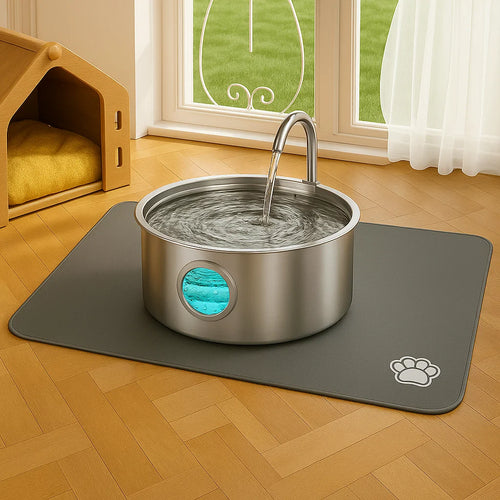
Stainless steel bowls and fountains are preferred for long-term hygiene. Their smooth, non-porous surface gives bacteria nowhere to hide, making thorough cleaning easier and more effective.
Cleaning Routine: How Often Should You Clean?
| Task | Frequency |
|---|---|
| Quick Rinse and Refill | Daily |
| Deep Clean with Soap & Scrub | Weekly |
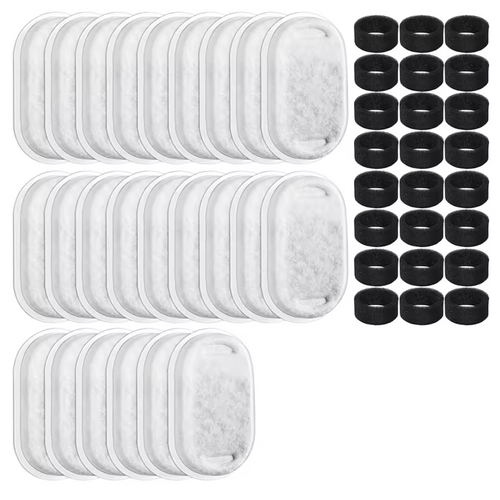
| Fountain Filter Change | As per product guide (often every 24 weeks) |
| Inspect for Scratches/Cracks | Monthly |
Pro Tip: Use a dedicated brush or sponge for your dogs bowls (not the same one you use for dishes) and rinse thoroughly to remove soap residue. Avoid harsh cleanershot soapy water is usually enough.
How Flowing, Filtered Water Helps Prevent Biofilm
Nature rarely has standing waterstreams and rivers stay cleaner because they move. At home, pet fountains mimic this natural movement. Flowing water discourages bacterial buildup and keeps water fresher, while advanced filtration removes debris and impurities that feed biofilm formation. A stainless-steel fountain combines the best of both worlds: non-porous hygiene and constant circulation.
How Much Water Should Your Dog Drink?
Clean bowls are only half the storyyour dog needs to drink enough to stay healthy. Use the table below as a general starting point. Always adjust for your dogs activity level, diet (kibble vs. wet food), and your vets guidance.
| Dog Weight | Daily Water Intake (ml) | Daily Water Intake (cups) |
|---|---|---|
| 10 lbs (4.5 kg) | 22550 ml | ~12 cups |
| 30 lbs (13.5 kg) | 675,350 ml | ~3.5 cups |
| 60 lbs (27 kg) | 1,350,700 ml | ~5.51 cups |
General guideline: 250 ml per kg body weight per day. If you notice your dog drinking much more or less, consult your vet.
Spotting and Preventing Biofilm: A Quick Checklist
- Feel for slickness inside the bowl dailyif it feels slimy, its time to clean.
- Use stainless steel bowls or fountains to minimize risk.
- Rinse and refill water bowls every day, not just when they look dirty.
- Deep clean weekly: hot soapy water and a dedicated brush.
- If you use a fountain, change filters as instructed and deep clean all parts weekly.
- Inspect bowls for scratches or cracksreplace if damaged.
Supporting Healthier HabitsEasily
Preventing biofilm isnt about perfectionits about small, daily habits and choosing products that make life easier. Stainless steel, flowing water, and simple routines go a long way to keeping your dog safe and hydrated. If youre interested in a fountain designed for cleaner, fresher water with minimal effort, learn more about the Pawdrate Filtered Water Fountain.