


For every loving dog owner, choosing a water bowl might seem simpleuntil you realize how much it can affect your dogs health. If youve ever wondered if stainless steel is really better than plastic, youre in the right place. This guide will help you make the healthiest choice for your best friend, with science-backed facts and practical advice.
- Stainless steel bowls are far more hygienic than plastic, reducing risks of bacterial growth and biofilm.
- Plastic bowls can harbor bacteria and become scratchedmaking cleaning difficult.
- Proper hydration supports your dogs energy, kidney health, and coat.
- Clean all water bowls daily and deep-clean weekly, regardless of material.
- Choose materials that are easy to sanitize and built to last for peace of mind.
Why Bowl Material Isnt Just a Style Choice
Material matters more than many pet parents realize. Water bowls are in constant contact with your dogs mouth, nose, andof coursewater. Over time, the wrong material can become a breeding ground for bacteria, making even fresh water less safe.
Lets break down the differences, so you can choose whats healthiest for your dog and simplest for you.
Stainless Steel vs. Plastic: A Hygiene Showdown
| Material | Hygiene | Durability | Biofilm Risk | Ease of Cleaning |
|---|---|---|---|---|
| Stainless Steel | Excellent (non-porous, resists bacteria) | High (wont crack or chip) | Low (easy to sanitize) | Very Easy (dishwasher-safe) |
| Plastic | Poor (scratches trap bacteria) | Low (cracks, scratches easily) | High (biofilm builds in scratches) | Moderate (harder to keep pristine) |
The bottom line: Stainless steel is the gold standard for pet water bowls when it comes to hygiene and safety. Plastic bowls, while inexpensive, can quickly become a hidden hazard in your home.
Bacteria, Biofilm & Your Dogs Health
Plastic bowls are prone to scratches, even from gentle chewers. Every scratch and groove becomes a potential home for bacteria and biofilma slimy layer that forms when bacteria cling to surfaces. Studies show this biofilm can harbor harmful germs, some of which are resistant to casual washing. Over time, this can lead to digestive upset, skin irritation around the mouth (think: dog chin acne), or even chronic infections.
Stainless steel, on the other hand, is non-porous and doesnt scratch easily. It resists biofilm buildup and is easy to sanitize fullyeither by hand or in the dishwasher. That means safer, fresher water, and a much lower risk of hidden health problems for your pup.
How Much Water Does Your Dog Need, Anyway?
Regardless of bowl type, the right hydration is essential for every dogs energy, kidney function, and coat. As a general guideline, dogs need about 2550 ml of water per kilogram (or ~0.51 oz per pound) of body weight daily. But this can vary depending on diet, activity, weather, and your vets advice.
| Dog Weight (lbs) | Daily Water Needs (oz) | Daily Water Needs (ml) |
|---|---|---|
| 10 | 510 | 150300 |
| 30 | 1530 | 450900 |
| 60 | 3060 | 9001800 |
Tip: Always adjust for weather, exercise, and diet (wet food reduces water needs slightly).
Cleaning: The Ritual That Matters Most
| Task | Cadence |
|---|---|
| Rinse & Refill | Daily |
| Deep Clean (Soap/Hot Water or Dishwasher) | Weekly |
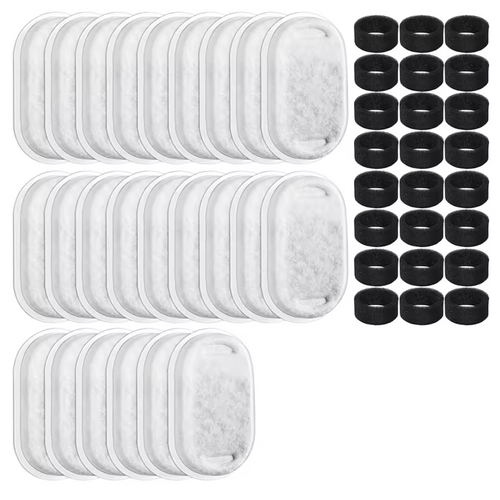
| Replace Filters (if using a fountain) | Every 24 weeks |
Plastic bowls need extra vigilance. Scratches and cloudiness are warning signs to replace them immediately. Stainless steel, cared for properly, can last for years without these hygiene concerns. For deeper guidance, see Deep Clean.
Why Many Vets Recommend Stainless Steel Water Fountains
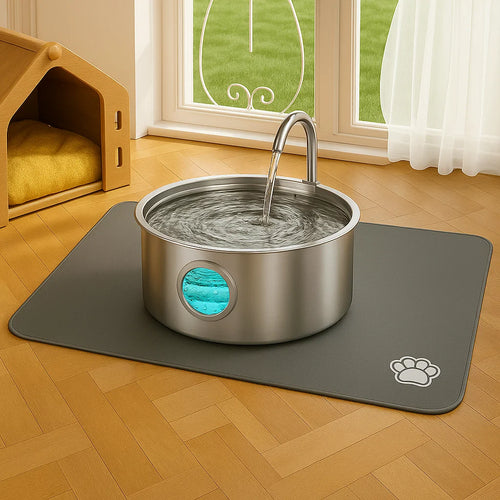
Veterinary professionals often point to stainless steel for both food and water dishes. Its non-porous surface is less likely to harbor bacteria, and it stands up to repeated sanitizing without degrading. When combined with a filtered water fountain, stainless steel keeps water movingmaking it less likely to attract dust, fur, or contaminants, and more appealing for dogs to drink throughout the day.
Plastic fountains are a source of frustration for many pet parents: They can develop hard-to-clean slime, sometimes even when cleaned regularly. Stainless steel fountains pair the best of hygiene, durability, and design for the healthiest hydration habits. For more hydration support, see hydration.
A Healthier Habit, A Happier Home
Choosing a stainless steel bowl or fountain isnt just a trendits a proven way to support your dogs health every day, with less worry for you. You might be surprised how quickly your dog responds to fresher, cleaner waterwhether that means more energy, a shinier coat, or fewer vet visits for skin or stomach issues.
If youre ready to make hydration simpler and safer, see how Pawdrates stainless-steel fountains can help create healthy, effortless routines for your family.
Empowering Takeaway: Every dog deserves safe, healthy waterevery single day. The bowl or fountain you choose is the first step toward a longer, happier life together.