

For every dog lover who wants to keep their furry family member healthy, theres a hidden risk lurking where you least expect it: your dogs water bowl. If youve ever noticed a slippery film inside the bowl or wondered why water gets cloudy or smelly so quickly, youre not alone. In this guide, well demystify biofilmwhat it is, why it matters, and how to banish it to give your dog the gift of truly clean hydration.
What to Know: Biofilm in Dog Water Bowls
- Biofilm is a sticky layer of bacteria that forms on water bowl surfaceseven if you cant see it.
- It harbors harmful microbes and can affect your dogs health, leading to GI upset or infections.
- Plastic bowls are especially prone to biofilm, while stainless steel is the most hygienic choice.
- Daily rinsing and weekly deep cleaning are essential for every bowl, no matter the material.
- If your pet refuses to drink, seems unwell, or if you notice slime, consult your veterinarian.
Understanding Biofilm: What Is It and Why Does It Matter?
Biofilm is a thin, slimy layer of bacteria and organic material that can cling to virtually any moist surfaceincluding your dogs water bowl. Its invisible at first, but left unchecked, it forms a slippery film that can feel greasy or sticky to the touch.
Think of it like the plaque that builds up on your teeth if you go too long without brushing. The same process happens in your dogs water bowl, especially where water sits still for long periods.
- Biofilm forms quicklysometimes in a matter of hours.
- It protects bacteria and pathogens, making them harder to remove with a simple rinse.
- Biofilm can affect waters taste, smell, and safety.
How Biofilm Forms in Pet Water Bowls
Every time your dog drinks, they introduce tiny bits of saliva, food particles, and bacteria into their bowl. Even tap water contains trace bacteria. In a stagnant bowlespecially those made of plastic or porous materialsthese bacteria stick to the surface and start multiplying. Over time, they create a protective matrix (the biofilm) thats tough to remove without scrubbing.
- Warm, humid environments accelerate biofilm growth.
- Bacteria multiply faster in standing water than in moving, circulating water.
Why Biofilm Matters for Your Dogs Health
Biofilm isnt just unsightlyit can put your dogs health at risk. Harmful bacteria such as E. coli, Salmonella, and Pseudomonas can hide within the film. If your dog ingests these pathogens, it can lead to:
- Digestive upset (vomiting, diarrhea)
- Mouth or gum infections
- Urinary tract infections
- Reluctance to drink due to unpleasant taste or odor
Dogs with weaker immune systemssuch as puppies, seniors, or those with chronic illnessesare most at risk.
Cleaning Cadence: How Often Should You Wash Dog Water Bowls?
| Bowl Material | Daily Rinse | Weekly Deep Clean | Filter Change (if applicable) |
|---|---|---|---|
| Stainless Steel | Yes | Yes (hot soapy water or dishwasher) | Every 24 weeks |
| Ceramic | Yes | Yes (check for cracks) | N/A or as directed |
| Plastic | Yes | Yes (replace if scratched) | N/A or as directed |
Tip: Always wash bowls with hot, soapy water. If your dishwasher has a sanitizing cycle, use it for stainless or dishwasher-safe ceramics.
Material Matters: Stainless Steel vs. Plastic vs. Ceramic
| Material | Hygiene | Durability | Biofilm Risk |
|---|---|---|---|
| Stainless Steel | Excellent (non-porous, easy to sanitize) | Very High | Low |
| Ceramic | Good (if unchipped, glazed) | Moderate | Medium |
| Plastic | Poor (scratches easily, holds bacteria) | Low | High |
Stainless steel is the gold standard for hygiene and ease of cleaning. Plastic bowls, by contrast, are most prone to biofilm because scratches and porous surfaces trap bacteria.
How to Spot and Prevent Biofilm in Your Dogs Bowl
- Feel for any slippery, slimy coating on the bowls inner surface.
- Look for discoloration, cloudiness, or water that smells off.
- If you spot these signs, thoroughly clean and sanitize the bowl immediately.
Prevention Checklist:
- Use a non-porous, stainless-steel bowl or water fountain.
- Change your dogs water at least once daily.
- Rinse the bowl daily and deep clean every week.
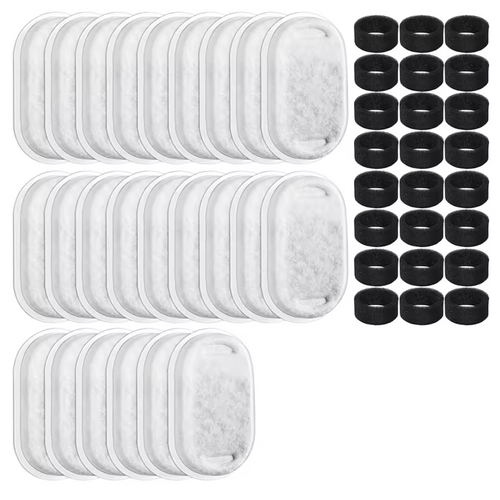
- Replace filters in fountains as directed by the manufacturer.
- Keep bowls out of direct sunlight and away from food debris.
Daily Water Intake by Weight: Are They Drinking Enough?
| Dog Weight | Min. Intake (ml/day) | Max. Intake (ml/day) | Ounces (approx.) |
|---|---|---|---|
| 10 lbs (4.5 kg) | 110 | 225 | 48 |
| 25 lbs (11 kg) | 275 | 550 | 918 |
| 50 lbs (23 kg) | 550 | 1,100 | 1837 |
| 75 lbs (34 kg) | 825 | 1,650 | 2856 |
General guideline: 2550 ml per kg (12 oz per lb) body weight per day, but needs vary by age, activity, and health. Always consult your vet for specific recommendations.
Why Flowing, Filtered Water Helps Prevent Biofilm
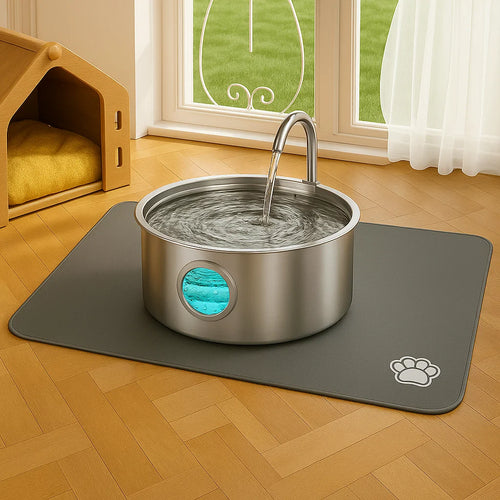
Flowing or circulating water, like youd find in nature, helps limit the formation of biofilm by reducing standing time and constantly disrupting bacterial growth. When that water passes through advanced filtration and sits in a non-porous stainless-steel basin, you minimize the risks and maximize your dogs hydration health.
To see how a stainless-steel, filtered water fountain can help make clean hydration effortless, see the Pawdrate Filtered Water Fountaindesigned for hygiene, easy cleaning, and peace of mind.