

As dog owners, we want our pets to thrivebrimming with energy, sporting a shiny coat, and always eager for their next adventure. But did you know that the material you choose for your dog's water bowl can quietly shape their health every single day?
In this guide, you'll learn how bowl material affects your dog's hydration, the hidden risks of common choices, and practical tips to keep your pet's water (and their body) as clean and healthy as possible.
- Stainless steel is the gold standard for hygiene and durability.
- Plastic bowls can harbor bacteria and leach chemicals over time.
- Ceramic bowls are better than plastic, but beware of chips and glaze quality.
- Regular cleaning prevents biofilm and keeps water safe.
- When in doubt, always consult your veterinarian for your pets unique needs.
Why Bowl Material Matters: Beyond Aesthetics
Your dogs water bowl isnt just a part of your home d c3 a9cor. Its where your dog hydrates dailyand that means the choice of material directly affects their health. Some bowls can encourage bacteria growth, impact taste, or even release microscopic particles into the water. Over time, these issues can lead to everything from mild digestive upsets to more serious conditions like urinary tract infections or chronic dehydration.
Common Pet Water Bowl MaterialsPros and Cons
| Material | Hygiene | Durability | Biofilm Risk |
|---|---|---|---|
| Stainless Steel | Exceptional (non-porous, easy to sanitize) | High (resists scratches, doesnt break) | Lowest (if cleaned regularly) |
| Plastic | Poor (scratches easily, traps bacteria) | Low (warps, cracks over time) | High (biofilm forms quickly) |
| Ceramic (with quality glaze) | Good (if glaze is intact; porous if chipped) | Medium (can chip or crack) | Medium (depends on condition) |
| Glass | Good (non-porous, but fragile) | Low (breakable, may chip) | Low (if not chipped) |
Stainless Steel: The Premium Standard
Veterinarians and pet health experts consistently recommend stainless steel. Why? Its non-porous, so bacteria and slime (biofilm) have nowhere to hide. Stainless steel stands up to daily cleaning without warping or scratchingand it doesnt leach chemicals or odors into your dogs water. Its simply the safest, easiest material to keep clean for years to come.
- Hygienic: Easily sanitized in the dishwasher or with hot, soapy water.
- Durable: Resists dents, cracks, and unsightly staining.
- Safe: No risk of BPA, phthalates, or chemical leachingeven over years of use.
Plastic Bowls: Risks to Consider
Plastic bowls are popular for their low cost and fun colors, but they come with significant downsides. Over time, even gentle use causes tiny scratches on the surface. These scratches trap bacteria and make thorough cleaning nearly impossible. Some plastics may also leach chemicals like BPA or phthalates, especially as they degrade. Dogs with sensitive skin may even develop chin acne from plastic bowl contact.
Ceramic and Glass: Aesthetic, But Handle With Care
Ceramic bowls (if made with high-quality, lead-free glaze) are a safer choice than plastic and can be quite stylish. But any chip or crack can create a hiding spot for germs. Always inspect ceramic carefully and replace if damaged. Glass is non-porous and easy to clean, but the risk of breakage (especially in busy homes or with large dogs) can be a drawback.
Cleaning Matters: How (and How Often) to Clean Your Dogs Bowl
| Task | Recommended Frequency |
|---|---|
| Rinse and refill with fresh water | Daily |
| Wash with hot, soapy water | Daily |
| Deep clean (dishwasher or soak with vinegar) | Weekly |
| Inspect for chips, cracks, or damage | Weekly |
Pro tip: Stainless steel bowls are generally dishwasher safe. Always check manufacturer guidance for ceramics and glass.
Frequently Asked Questions
How much water does my dog actually need?
Most healthy dogs need about 2550 ml per kilogram (about 0.40.8 oz per pound) of body weight per day. Activity, diet, and weather may increase needs. Use the table below as a general guide:
| Dog Weight | Daily Water Requirement |
|---|---|
| 10 lbs (4.5 kg) | 613 oz (18075 ml) |
| 25 lbs (11 kg) | 1326 oz (375750 ml) |
| 50 lbs (23 kg) | 2550 oz (7501500 ml) |
| 75 lbs (34 kg) | 3875 oz (11252250 ml) |
Always provide plenty of fresh water and monitor for changes in drinking habits.
Empowering Your Choiceand Your Dogs Health
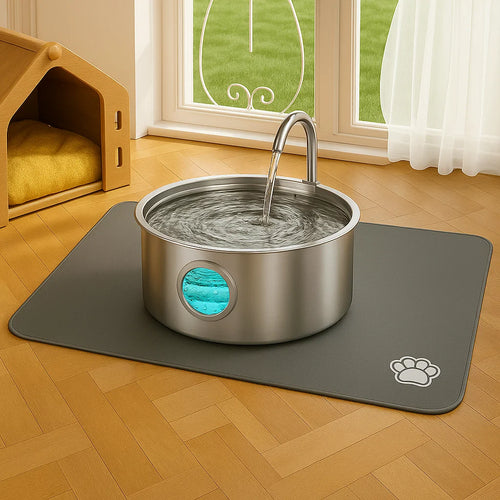
Choosing a safe water bowl material is a simple but powerful way to protect your pets health every single day. Stainless steel bowlsespecially those with circulating, filtered watersupport cleaner hydration and better well-being, without the maintenance headaches or hidden risks of plastic or poorly glazed ceramics.
If youre ready to upgrade, explore the Pawdrate Stainless-Steel Water Fountaindesigned for easy cleaning, premium hygiene, and a happier, healthier dog.