

If you’ve ever noticed your dog’s energy dip or their nose looking a little drier than usual, you might have wondered: Is my pet getting enough water? As devoted dog parents, it’s easy to overlook dehydration—or mistake its signals for something else. Understanding the signs your pet needs more hydration can make a world of difference in their long-term health and happiness.
This guide will help you recognize dehydration’s early warning signs, know when to take action, and build daily habits that support your best friend’s well-being. You’ll learn what’s normal, what’s not, and how simple changes can help your dog thrive—no matter their breed, age, or lifestyle.
- Most dogs need 25–50 ml of water per kg of body weight each day (about 0.5–1.0 oz per lb)—but this varies.
- Subtle dehydration signs include dry gums, lethargy, and loss of skin elasticity.
- Risk increases in hot weather, with active dogs, or if drinking from unclean bowls.
- Stainless steel fountains promote cleaner, safer hydration than plastic or stagnant bowls.
- If you spot severe dehydration signs, call your vet promptly.
Why Hydration Matters for Dogs
Water isn’t just for quenching thirst—it fuels nearly every process in your dog’s body. Proper hydration supports healthy kidneys, flushes out toxins, cushions joints, and keeps skin and coats in top shape. Chronic dehydration can lead to fatigue, urinary tract infections, kidney issues, and a dull coat—sometimes before you notice obvious symptoms.
Common and Subtle Signs Your Pet Needs More Hydration
Dogs can’t tell us when they’re thirsty, so it’s up to us to spot the clues. Here are key signs to look for, from early hints to more serious warnings:
Early/Moderate Signs
- Dry or tacky gums/nose: Healthy gums and noses should feel moist. If they’re sticky, dry, or pale, dehydration may be starting.
- Lethargy or less interest in play: If your usually energetic pup seems sluggish, they may need more water.
- Decreased skin elasticity: Gently pinch the skin at the back of your dog’s neck. If it doesn’t spring back quickly, hydration is likely low.
- Sunken eyes: Eyes may look dull or slightly sunken as dehydration progresses.
- Reduced appetite: Some dogs eat less when they’re dehydrated.
- Darker, stronger-smelling urine: Concentrated urine (and less of it) can signal dehydration.
Advanced/Severe Signs (Call Your Vet)
- Rapid heart rate or panting
- Vomiting or diarrhea
- Collapse or extreme weakness
- Gums very dry, sticky, or pale
How Much Water Does Your Dog Need?
Most healthy dogs need about 25–50 milliliters of water per kilogram of body weight per day (that’s about 0.5–1.0 ounces per pound). However, needs can vary by:
- Breed and size (large breeds usually require more per pound)
- Age (puppies and seniors are more vulnerable)
- Activity level and weather (heat and exercise increase needs)
- Diet (wet food hydrates more than kibble)
Daily Water Intake by Weight
| Dog Weight | Daily Water Need (ml) | Daily Water Need (cups) |
|---|---|---|
| 10 lbs (4.5 kg) | 110–225 ml | 0.5–1 |
| 25 lbs (11 kg) | 275–550 ml | 1–2.5 |
| 50 lbs (23 kg) | 575–1150 ml | 2.5–5 |
| 90 lbs (41 kg) | 1025–2050 ml | 4.5–8.5 |
Note: These are general guidelines—individual needs may vary. Always provide fresh water and consult your vet for personal recommendations.
Factors That Increase Your Dog’s Hydration Needs
- Active or working dogs: More exercise = more water loss.
- Hot, dry, or cold weather: Both heat and extreme cold can increase water requirements.
- Diet type: Kibble-fed dogs generally need more water than those on wet or raw diets.
- Breed and size: Larger breeds and those with thick coats may need extra hydration in summer.
- Age and health: Puppies, seniors, and dogs with health issues are more sensitive to changes.
Why the Right Bowl (or Fountain) Matters
How your dog drinks can be as important as how much. Standing water in plastic bowls is a magnet for bacteria, and porous materials can harbor biofilm that’s tough to clean off. This can make water unappealing—or even unsafe—especially for sensitive dogs.
Material Comparison: Which Is Healthiest?
| Material | Hygiene | Durability | Biofilm Risk |
|---|---|---|---|
| Stainless Steel | Excellent | High | Low |
| Plastic | Poor | Low | High |
| Ceramic | Good | Moderate | Moderate |
Maintaining a Healthy Hydration Routine
Even the best bowls or fountains need regular care. Here’s a quick guide:
| Action | Recommended Frequency |
|---|---|
| Rinse bowl/fountain parts | Daily |
| Deep clean with soap | Weekly |
| Change filter (if applicable) | As directed (usually monthly) |
Small Changes, Big Results
- Make water easily accessible in every room your dog frequents.
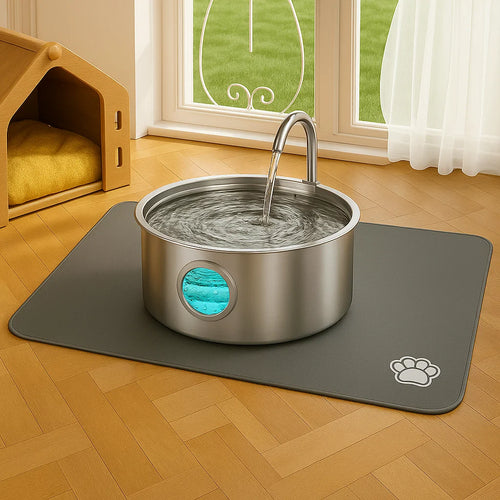
- Consider a circulating, filtered stainless fountain to keep water fresh and appealing.
- Monitor intake and watch for changes, especially in hot weather or if your dog is less active than usual.
- Stay alert for early signs—addressing them quickly helps prevent bigger problems.
Clean, flowing water is one of the simplest gifts you can give your dog. Pawdrate’s premium stainless-steel fountain supports daily health—with better hygiene, less hassle, and a design your dog (and your home) will love. Learn more about the Pawdrate Fountain here.