
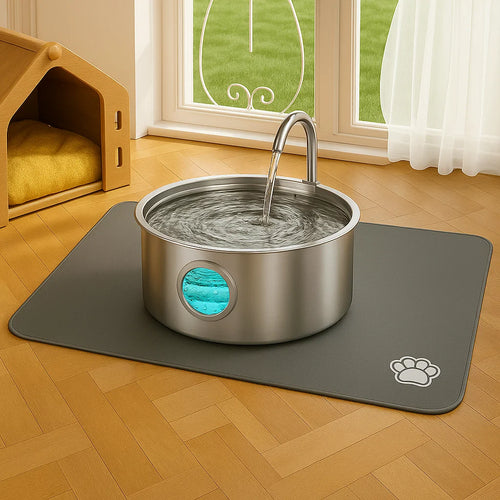


Choosing a water fountain may seem simplebut the right material can make all the difference in your dog's health. If you have ever wondered why your vet or fellow dog parents talk about stainless steel over plastic, you are in the right place. In this guide, we will compare stainless steel and plastic pet fountains, explore hygiene, health impacts, cleaning routines, and help you make the best choice for your furry family member.
- Stainless steel resists bacteria and biofilm better than plastic, supporting safer hydration.
- Plastic can scratch and harbor germs, even with regular cleaning.
- Proper cleaning is essentialregardless of materialto prevent slime and odors.
- Choosing the right fountain material can help reduce vet visits linked to skin and urinary issues.
- Consult your vet if you notice changes in your dog's drinking habits or health.
Why Fountain Material Matters for Your Dogs Health
Your dogs water fountain is more than just a dispenserit is a daily source of health and happiness. The material it is made from can affect everything from water taste and cleanliness to the risk of skin irritation or infections.
Let us break down how stainless steel and plastic fountains differ, and how those differences can impact your pets wellbeing.
Material Comparison: Stainless Steel vs Plastic vs Ceramic
| Material | Hygiene | Durability | Biofilm Risk | Cleaning Ease |
|---|---|---|---|---|
| Stainless Steel | Excellent (resists bacteria) | Very High | Low | Dishwasher-safe; easy to scrub |
| Plastic | Fair (scratches trap bacteria) | Low to Medium | High | Prone to staining and odor |
| Ceramic | Good (if glaze is intact) | Medium | Medium | Heavy; may chip |
Key takeaway: Stainless steels smooth, non-porous surface is far less likely to harbor bacteria or slime than plastic. Plastic scratches easily, creating places for germs to hideeven after washing.
Cleanliness & Hygiene: What Science Says
Studies show that plastic pet bowls and fountains, even when cleaned regularly, are more likely to develop biofilma layer of slime made up of bacteria, saliva, and food particles. Stainless steel, by contrast, resists this buildup and is much easier to sanitize thoroughly.
- Biofilm risks: Bacterial buildup in plastic can cause odors, slime, and even skin or chin acne in sensitive dogs.
- Micro-scratches: Everyday wear creates grooves in plastic, trapping germs you cant always see or scrub away.
- Veterinary advice: Many vets recommend stainless steel or ceramic over plastic for dogs prone to infections, allergies, or skin irritation.
While ceramic is also a safer alternative, it is heavier and can chippotentially exposing porous surfaces underneath.
How to Clean Pet Fountains for Optimal Health
| Task | Frequency | Notes |
|---|---|---|
| Rinse & Refill | Daily | Prevents film and keeps water fresh |
| Deep Clean (Disassemble & Scrub) | Weekly | Use mild soap; avoid abrasive sponges on plastic |
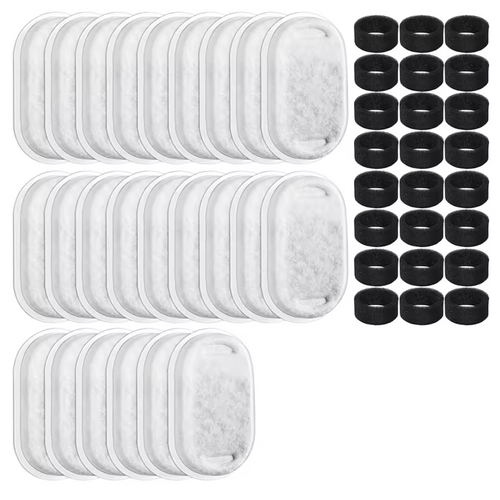
| Filter Replacement | Every 24 weeks | Follow fountain manufacturer guidelines |
Tip: Stainless steel can usually be placed in the dishwasher, making thorough cleaning fast and easy. Plastic may warp or degrade over time.
Does Fountain Material Affect Your Dogs Drinking Habits?
Yesdogs often prefer cleaner, fresher-tasting water. Stainless steels neutral taste and resistance to odor can encourage finicky drinkers. Plastic, especially if scratched or aging, can leach odors or chemicals that some dogs avoid.
Plus, flowing wateras with all Pawdrate fountainsnaturally attracts dogs, supporting better hydration and kidney health.
Daily Water Intake by Dog Weight
Your dogs hydration needs depend on weight, activity level, diet, and health. Here is a helpful reference (general guideline):
| Dog Weight (lbs / kg) | Daily Intake (oz / ml) |
|---|---|
| 10 lbs / 4.5 kg | 8.517 oz / 250500 ml |
| 30 lbs / 13.6 kg | 2551 oz / 7501500 ml |
| 60 lbs / 27.2 kg | 51102 oz / 15003000 ml |
Always adjust for hot weather, exercise, and individual needs. When in doubt, ask your vet.
Choosing Whats Best for Your Dogand Your Peace of Mind
Switching to a stainless steel fountain is one of the simplest ways to support your dogs daily health. You will spend less time scrubbing and worrying about invisible germsand more time enjoying a happy, hydrated pup.
If you are ready to make the switch, explore the Pawdrate Filtered Water Fountain. With advanced multi-stage filtration and premium stainless steel, it is designed for both health and beautiful living spaces.