
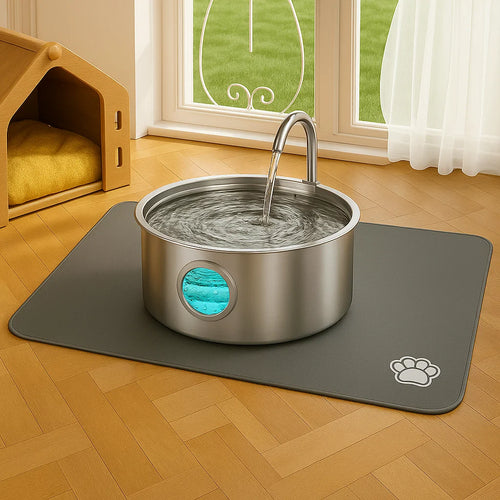


Your dog’s hydration shapes their energy, comfort, and even their lifespan. If you’ve struggled with slimy bowls, odors, or your pup just ignoring their water, you’re not alone. Let’s explore why upgrading to a stainless steel pet water fountain can be a game-changer for your dog’s health—and your peace of mind.
This guide covers how stainless steel fountains beat plastic and ceramic for hygiene, how much water your dog really needs, cleaning tips, and when to consult your vet. Whether you’re weighing your options or looking to troubleshoot hydration at home, you’ll find practical answers here.
Why Hydration—and Clean Water—Matters for Dogs
Every system in your dog's body relies on water. Proper hydration aids digestion, keeps joints lubricated, helps regulate body temperature, and supports kidney health. Mild dehydration can sap your dog’s energy and impact their skin, coat, and even their mood.
Stale, dirty water is a hidden risk: it can harbor bacteria, grow biofilm, and discourage your dog from drinking enough. That’s why the right water fountain—and the material it’s made from—matters so much.
Material Matters: Stainless Steel vs. Plastic vs. Ceramic Fountains
| Material | Hygiene | Durability | Biofilm/Bacteria Risk | Ease of Cleaning |
|---|---|---|---|---|
| Stainless Steel | Excellent; non-porous, resists bacteria | Outstanding; resists scratches & corrosion | Very low | Dishwasher safe, easy wipe |
| Plastic | Poor; scratches harbor bacteria | Fair; cracks and stains over time | High | Can stain; hard to fully sanitize |
| Ceramic | Good; non-porous if glazed well | Can chip or crack | Moderate; depends on glaze quality | Heavy, requires careful cleaning |
Why stainless steel? It resists scratches and biofilm (that slimy layer that forms on bowls). Unlike plastic, it doesn’t trap bacteria in tiny crevices—even after repeated washes. That means fresher water, less odor, and a safer drinking experience for your dog.
How Much Water Does My Dog Need?
While individual needs vary, a healthy rule of thumb is 25–50 ml per kg of body weight per day (about 0.5–1 oz per pound). Active dogs, those eating dry food, or larger breeds may need more.
| Dog Weight (lbs/kg) | Recommended Daily Intake (oz/ml) |
|---|---|
| 10 lbs / 4.5 kg | 5–10 oz / 125–250 ml |
| 25 lbs / 11 kg | 12–25 oz / 300–700 ml |
| 50 lbs / 23 kg | 25–50 oz / 700–1400 ml |
| 75 lbs / 34 kg | 38–75 oz / 1100–2200 ml |
Tip: Track your dog’s water intake for a few days to spot changes—especially during hot weather, after exercise, or if switching foods.
Dehydration: Signs and What to Watch For
- Mild: Less interest in water, dry nose/gums, slight fatigue
- Moderate: Sunken eyes, tacky gums, sluggishness
- Severe: Panting, loss of skin elasticity, collapse, refusal to eat or drink
Dogs often hide subtle dehydration. If you notice sudden changes, always err on the safe side by reaching out to your vet.
Caring for Your Stainless Steel Pet Water Fountain
| Task | Recommended Frequency |
|---|---|
| Rinse and refill water | Daily |
| Wash all components | Weekly (dishwasher safe) |
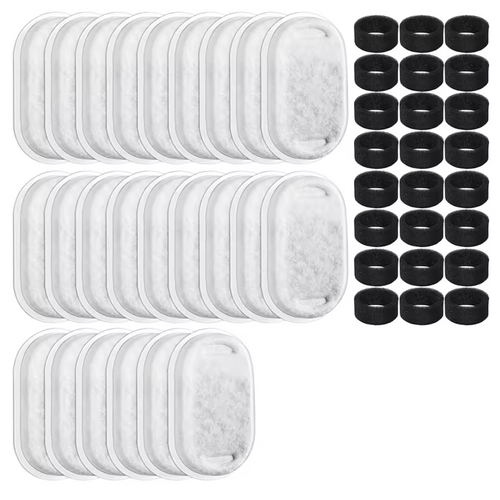
| Replace filter | Every 2–4 weeks |
Stainless steel is easy to sanitize and resistant to the buildup that plagues plastic fountains. Just use mild dish soap or run it through the dishwasher for a safe, sparkling clean.
Why Dogs Love Flowing Water (and Owners Do, Too)
Dogs instinctively prefer moving water—it’s fresher, cooler, and less likely to hold bacteria. A stainless steel pet water fountain provides gentle, filtered circulation that entices your dog to drink more, supporting better everyday health.
If you’re ready to make hydration easier for both you and your dog, consider a premium stainless steel fountain that’s built to last and designed for health. Your dog’s kidneys (and your nose) will thank you.