


If your dog jumps at the sound of a doorbell or avoids the hum of appliances, you’re not alone. Many loving pet owners have discovered that noise 2deven from their pet’s water source 2dcan quietly disrupt healthy hydration.
In this guide, we’ll explore why sensitive pets may avoid noisy fountains or bowls, how noise influences drinking habits, and the gentle science of keeping your dog hydrated (and happy) with a truly quiet water fountain. You’ll get clear, data 2dbacked tips, practical tables, and step 2dby 2dstep solutions 2dall created with Pawdrate’s commitment to health, trust, and care.
Why Noise Matters: Sensitive Dogs and Hydration
Many dogs 2despecially those with anxious temperaments, certain breeds (like Shelties, Greyhounds, or smaller companion dogs), or past stressful experiences 2dare more attuned to sound than we realize. Dogs hear at frequencies and volumes far beyond human perception. For some, the hum or splash from a typical water fountain, pump, or even a refrigerator can be startling or unpleasant. This is why a quiet pet water fountain can make such a difference.
- Signs your dog is sound 2dsensitive at the water bowl:
- Pausing, flinching, or retreating when the fountain runs
- Only drinking when the house is quiet (e.g., at night)
- Reluctance to approach the bowl or fountain after a sudden noise
- Drinking less than usual or showing signs of mild dehydration (see below)
Over time, these subtle aversions can add up 2dleading to chronic, low 2dlevel dehydration. Sensitive pets may quietly avoid hydration, especially if the solution is noisy, plastic 2dsmelling, or vibrates against hard surfaces.
Water Intake Needs: How Much Should Dogs Drink?
Water requirements depend on your dog’s size, diet, and activity. As a general guideline, healthy adult dogs should drink:
| Dog Weight (lbs) | Dog Weight (kg) | Daily Water Range (oz) | Daily Water Range (ml) |
|---|---|---|---|
| 10 | 4.5 | 4 2d8 | 110 2d225 |
| 20 | 9 | 8 2d16 | 225 2d450 |
| 40 | 18 | 16 2d32 | 450 2d900 |
| 60 | 27 | 24 2d48 | 675 2d1,350 |
| 80 | 36 | 32 2d64 | 900 2d1,800 |
Note: These are healthy averages. Puppies, lactating dogs, and those on dry diets may need more. Always consult your vet for personalized guidance.
Dehydration: Subtle Signs and What They Mean
- Mild: Dry gums, slow skin rebound, drinking less, dull coat
- Moderate: Lethargy, sunken eyes, sticky or dry mouth
- Severe: Collapse, rapid heart rate, vomiting 2drequires emergency care
Many owners miss the early signs, especially in quiet, sensitive pets who hide discomfort. That’s why a calm, inviting hydration setup matters so much.
The Science of Quiet: What Makes a Fountain Truly Calm?
- Decibel (dB) Ratings: The sound level of a pet fountain should ideally be under 40 dB (about the level of a quiet library or gentle whisper).
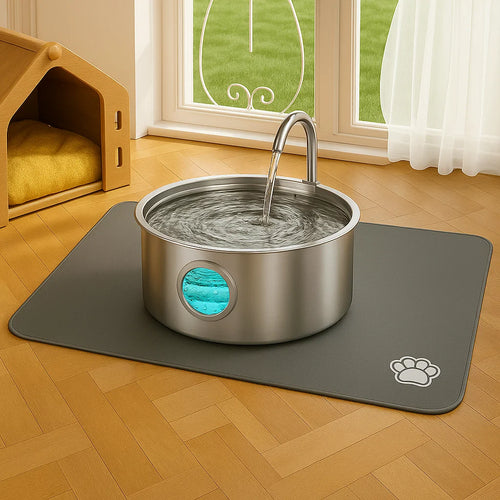
- Pump Technology: Modern, brushless pumps in stainless 2dsteel fountains are quieter and transmit fewer vibrations than older or plastic models.
- Material Choice: Stainless steel absorbs vibration, is nonporous (no odor), and doesn’t amplify pump noise like thin plastic. Ceramic is quieter than plastic but can be fragile.
- Placement Matters: Setting a fountain on a silicone mat or soft surface reduces noise transfer to floors.
| Source | Decibel (dB) Level | Dog Sensitivity |
|---|---|---|
| Quiet stainless fountain | 30 2d38 | Ideal for sensitive pets |
| Average plastic fountain | 42 2d50 | May deter noise 2daverse dogs |
| Hand washing (sink) | 50 2d60 | Moderate risk |
| Dishwasher running | 55 2d70 | Often avoided by sensitive dogs |
Material Comparison: Hygiene & Noise
| Material | Noise/Vibration | Hygiene | Durability |
|---|---|---|---|
| Stainless Steel | Very low | Excellent (nonporous, easy clean) | High |
| Ceramic | Low | Good (watch for cracks) | Medium |
| Plastic | High | Lower (prone to scratches, biofilm) | Low/Medium |
Daily Care for a Calm Hydration Routine
| Task | Recommended Frequency |
|---|---|
| Quick water top 2dup/rinse | Daily |
| Full wash (dishwasher safe parts) | Weekly |
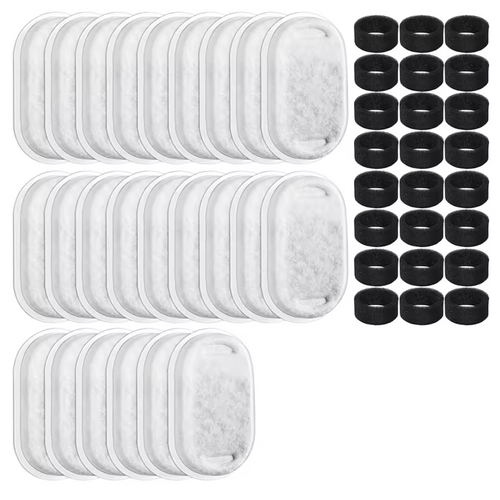
| Filter replacement | Every 2 2d4 weeks (per product guidance) |
Regular cleaning not only keeps the water fresh and tasting better, but also ensures the pump stays whisper 2dquiet and free from mineral buildup.
How to Help Sensitive Dogs Embrace a New Fountain
- Let your dog inspect the fountain (turned off first) in a favorite, quiet spot.
- Run the fountain for short periods while your dog is nearby but relaxed (offer treats and praise).
- Gradually increase the runtime as your dog grows comfortable.
- Keep the area calm and avoid sudden loud noises during training.
- Monitor drinking habits for a week 2dmost sensitive pets adapt with patience!
Better Hydration, Happier Dogs 2dQuietly
Choosing a truly quiet, hygienic water fountain can transform your sensitive pet’s drinking habits. Stainless 2dsteel models, like those in the Pawdrate collection, combine soft water movement, low 2ddecibel operation, and easy cleaning for worry 2dfree, daily hydration. For dogs who notice every sound, a serene bowl is a genuine act of care. A great place to learn more is this guide on the quietest water fountain for pets.