
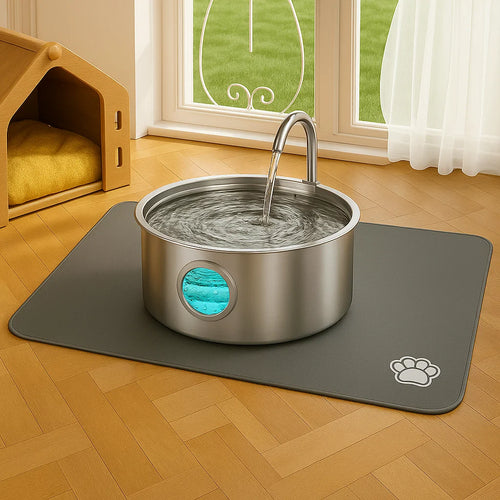


Is your dog hesitant to drink from noisy fountains or traditional bowls? If you’ve ever watched your pup shy away from the kitchen corner when the water bowl gurgles, you’re not alone. Many caring pet parents are discovering the transformative power of a quiet pet water fountain—not just for peace of mind, but for their dog’s everyday wellbeing.
In this guide, you’ll learn why quiet matters, how gentle circulation benefits hydration, and the practical steps to keep your dog’s water fresh and inviting. We’ll also cover cleaning routines, safety tips, and a comparison of materials so you can make a confident choice for your home.
- Quiet fountains encourage dogs to drink more by reducing anxiety around sudden noises.
- Consistent hydration supports kidney, urinary, and skin health.
- Stainless-steel fountains offer better hygiene and are easier to clean than plastic options.
- Regular cleaning and filter changes are crucial—see our cadence chart below.
Why Silence Matters for Dogs (and Humans)
Dogs experience the world through their senses, and many are sensitive to loud or unpredictable sounds. A traditional plastic fountain with a humming pump or splashy bowl can trigger stress—especially for shy, senior, or rescue dogs. This noise aversion may cause them to drink less water than they need, leaving them at risk for dehydration.
Think of it like this: If your fridge made unexpected clattering sounds every time you reached for a drink, you’d probably avoid it too. A quiet, gentle-flow pet fountain creates a peaceful environment where your dog feels safe to drink, leading to better hydration habits every day.
Benefits of a Quiet, Flowing Water Source
- Encourages more frequent drinking: The soft sound of flowing water naturally attracts dogs without startling them.
- Supports kidney and urinary health: Consistent hydration helps flush toxins and reduces the risk of urinary tract infections or kidney stones.
- Promotes healthy skin and coat: Well-hydrated dogs tend to shed less and have softer, shinier coats.
- Improves energy and mood: Dehydration can lead to fatigue, sluggishness, and even behavioral changes.
How Much Water Does Your Dog Need?
Most dogs require 25–50 milliliters of water per kilogram of body weight daily (roughly 0.4–0.8 oz per pound). Needs vary by activity, season, and diet (wet food = less water needed). Use the table below for a quick estimate:
| Dog Weight | Daily Minimum | Daily Maximum |
|---|---|---|
| 10 lbs (4.5 kg) | 100 ml (3.4 oz) | 225 ml (7.6 oz) |
| 30 lbs (13.6 kg) | 340 ml (11.5 oz) | 680 ml (23 oz) |
| 60 lbs (27.2 kg) | 680 ml (23 oz) | 1360 ml (46 oz) |
| 90 lbs (40.8 kg) | 1020 ml (34 oz) | 2040 ml (69 oz) |
Always provide fresh water and consult your vet if you notice sudden changes in drinking habits or have questions about your dog’s needs.
Noise Levels: Why Not All Fountains Are Equal
Quiet fountains typically operate at 30–35 decibels—about the volume of a soft whisper or gentle breeze. In contrast, older pumps or plastic models often exceed 45 decibels, which can be disruptive in a peaceful home. Stainless-steel fountains tend to dampen sound even further while remaining easy to sanitize.
Material Matters: Hygiene & Durability Comparison
| Stainless Steel | Plastic | Ceramic | |
|---|---|---|---|
| Hygiene | Excellent (resists bacteria/biofilm) | Poor (porous, scratches, biofilm risk) | Good (may chip, needs careful cleaning) |
| Durability | High (no warping/cracking) | Low (cracks, absorbs odors) | Moderate (can break/chip) |
| Noise Suppression | Excellent (softens pump sounds) | Poor (amplifies vibration) | Good (dampens some noise) |
| Cleaning Ease | Easy (dishwasher-safe, no stains) | Difficult (hard-to-reach buildup) | Moderate (prone to residue) |
Cleaning & Maintenance: Keep It Inviting (and Silent)
Even the quietest fountain won’t encourage drinking if it’s not clean. Here’s a simple maintenance schedule for optimal health and peace:
| Task | Frequency |
|---|---|
| Quick Rinse | Daily |
| Deep Clean (disassemble & scrub) | Weekly |
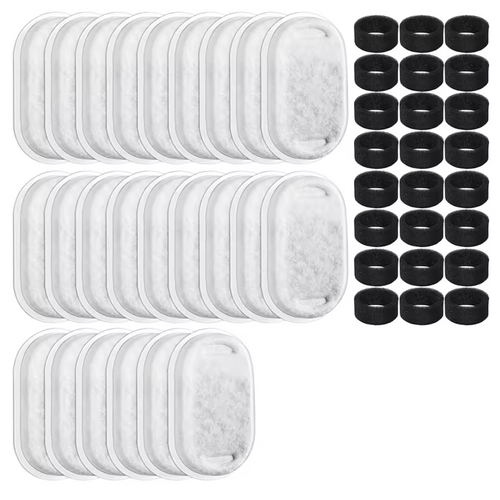
| Filter Replacement | Every 2–4 weeks (check manufacturer guidance) |
Stainless steel is naturally resistant to bacteria and biofilm, making it ideal for easy routine cleaning with gentle soap and water.
How to Introduce a Quiet Fountain
- Place the fountain in a calm, accessible location.
- Let your dog explore it turned off first; then switch it on so they can get used to the gentle sound.
- Keep the water fresh and the fountain clean to encourage daily use.
- Praise your dog when they drink from it, reinforcing the positive experience.
Experience the Difference
It’s remarkable how small changes—a quieter home, fresher water, and a welcoming drinking spot—can help your dog thrive. A quiet, stainless-steel fountain combines the peace your dog craves with the hygiene you trust, supporting every tail wag and cuddle session.
Ready to see the benefits for yourself? Learn more about the Pawdrate Filtered Stainless-Steel Water Fountain—designed for silent, flowing hydration that fits beautifully in any home.