
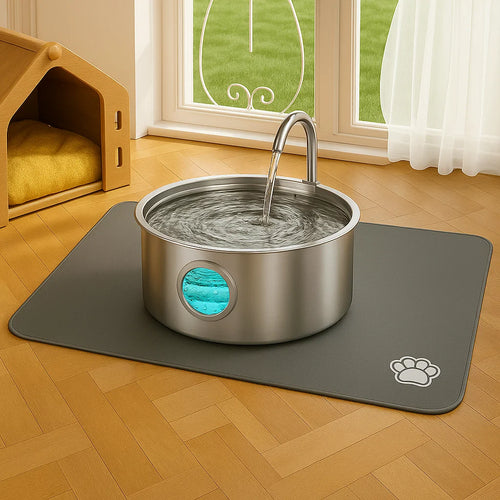


Every loving dog parent wants their pup to have clean, fresh water every day. But if you’ve invested in a pet water fountain, you might be wondering: How do you keep it hygienic and flowing? Even the best fountains need regular maintenance to prevent bacteria, biofilm, or unpleasant odorsand to keep your dog happy, healthy, and hydrated.
This guide will walk you through practical, vet-aligned maintenance routines for your pet water fountain. You’ll learn cleaning frequencies, supply recommendations, and safety tips tailored for U.S. dog owners who value health and design. Let’s help your dog live their healthiest lifeone sip at a time.
Why Fountain Maintenance Matters
Even if your dog’s water looks clear, bacteria and invisible biofilm can accumulate quickly. Left unchecked, these can lead to odors, reduced drinking, or even health risks like upset stomach or urinary tract issues. Flowing water helpsbut only if the fountain is well-maintained.
- Health: Clean water supports your dog’s hydration, kidney function, and energy levels.
- Hygiene: Stainless steel is less porous than plastic, meaning fewer places for bacteria and slime to hide.
- Longevity: Regular cleaning keeps pumps running smoothly and extends your fountain’s life.
How Often Should You Clean Your Pet Water Fountain?
For most U.S. households, follow this cadence for optimal health and performance:
| Task | Frequency |
|---|---|
| Rinse & Refill | Daily |
| Wipe Bowl & Spout | Daily |
| Deep Clean (Disassemble & Scrub) | Weekly |
| Filter Replacement | Every 2–4 weeks |
| Pump Inspection & Clean | Monthly (or as needed) |
Note: Dogs who drool more, shed heavily, or eat wet food may require more frequent cleaning.
How to Clean a Pet Water Fountain: Step-by-Step
- Unplug and Disassemble: Remove the pump, filters, spout, and bowl. Take care to check for tiny parts.
- Rinse All Parts: Use warm water to rinse away loose debris, hair, or dust.
- Scrub with Gentle Tools: Use a soft sponge or brushnever steel wool, which can scratch surfaces and harbor bacteria. For hard-to-reach areas (like pump crevices), use a small bottle brush or dedicated fountain cleaning kit.
- Use Pet-Safe Cleaners: Mild dish soap is usually sufficient. For stubborn slime or mineral buildup, a splash of white vinegar can help. Always rinse thoroughly to remove any residue.
- Clean the Pump: Pumps can harbor debris and biofilm. Open the pump case if possible and gently scrub all internal parts.
- Replace Filters: Insert a fresh filter if it’s time (see your fountain’s guidance, usually every 24 weeks).
- Reassemble and Refill: Put all parts back together and fill with fresh, cool water before plugging back in.
Why Stainless Steel Makes Maintenance Easier
Stainless steel fountains are a top choice for hygiene-conscious pet parents. Here’s why:
- Less Porous: Fewer microscopic nooks for bacteria and biofilm versus plastic.
- Dishwasher Safe: Most stainless steel parts can be safely run through the dishwasher weekly for a deep clean (check your manual).
- Resists Stains & Odors: Unlike plastic, stainless doesn’t absorb odors or discolor easily.
- Long-Lasting: Far more durable than plastic or even many ceramics.
| Material | Hygiene | Durability | Biofilm Risk |
|---|---|---|---|
| Stainless Steel | Excellent | High | Low |
| Ceramic | Good | Moderate | Medium (depends on glaze) |
| Plastic | Poor | Low | High |
Filter Care: Why It Matters
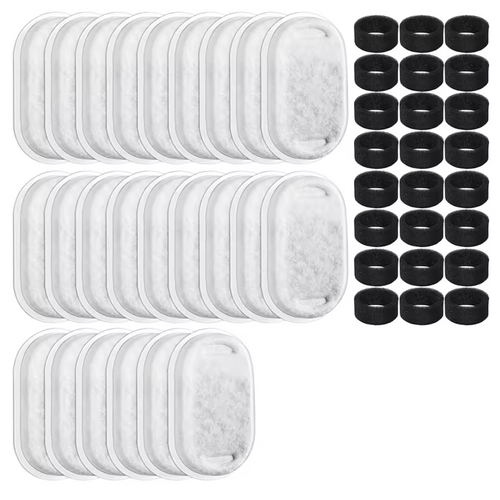
Your fountain’s filter does the heavy liftingremoving hair, debris, and even some impurities. Over time, a saturated filter can harbor bacteria and block water flow. Replace filters every 24 weeks, or sooner if you notice reduced flow, odor, or discoloration.
- Always use manufacturer-approved filters for best fit and performance.
- Rinse new filters in cool water before use to remove loose carbon dust.
Signs Your Fountain Needs Extra Attention
- Slime or buildup on any part of the fountain
- Cloudy or discolored water, even when freshly filled
- Unpleasant odors (musty, sour, or metallic)
- Decreased water flow or noisy pump
- Your dog suddenly drinks less or avoids the fountain
These are signals to clean the fountain immediately and check all parts for wear or blockages.
Maintenance Checklist
- Rinse and refill daily
- Wipe surfaces daily
- Deep-clean weekly
- Replace filter every 24 weeks
- Inspect pump monthly
- Check for leaks, cracks, or worn parts
Empowering Habits, Healthier Lives
Keeping your dog’s water fountain clean doesn’t have to be a chore. With a simple routine and the right materialslike a premium stainless steel fountainyou’ll spend less time scrubbing and more time enjoying your dog’s vibrant health.
If you’re ready for an upgrade that makes maintenance easy and hydration inviting, explore the Pawdrate Filtered Water Fountain. Crafted for easy cleaning, it keeps water fresh and flowinghelping you give your dog the gift of a longer, healthier life.
Takeaway: A little daily care goes a long way. With a clean, well-maintained fountain, you’re not just preventing problemsyou’re actively supporting your dog’s happiness, health, and longevity.