


Its heartbreaking to see your dog turn away from their water fountainor worse, experience recurring health issues that might trace back to something as simple as water hygiene. If youve ever worried about keeping your pets drinking water safe, youre in the right place. In this guide, well break down why regular, proper cleaning is vital, how to do it right, and how choosing the right materials can make all the difference for your dogs long-term health.
What to Know: Quick Guide to Fountain Hygiene
- Clean daily: Quick rinse and refill keeps water fresh.
- Deep clean weekly: Deep clean weekly helps disassemble and scrub all parts, including pump and spout.
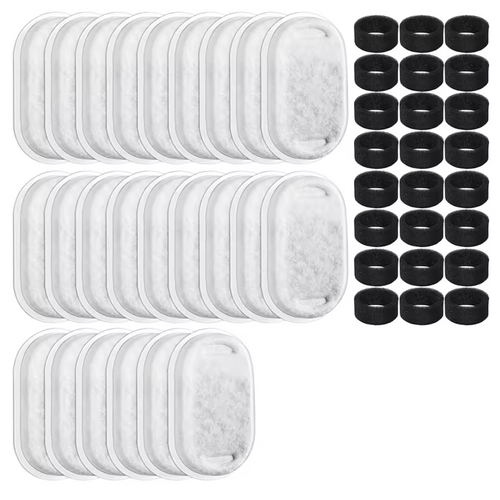
- Replace filters: Replace filters every 24 weeks, or per product guidance.
- Choose stainless steel: It resists bacteria and biofilm better than plastic or ceramic.
- Watch for signs: Slimy surfaces, cloudiness, or odors mean its overdue for cleaning.
Why Cleaning Matters: The Link Between Clean Water and Dog Health
Dogs instinctively seek out clean, moving waterjust like in nature. When a fountains neglected, biofilm (a slimy layer of bacteria), mold, and mineral deposits can build up, affecting water taste, safety, and your dogs willingness to drink. Over time, this can increase the risk of urinary tract infections, kidney stress, and even skin issues around the mouth.
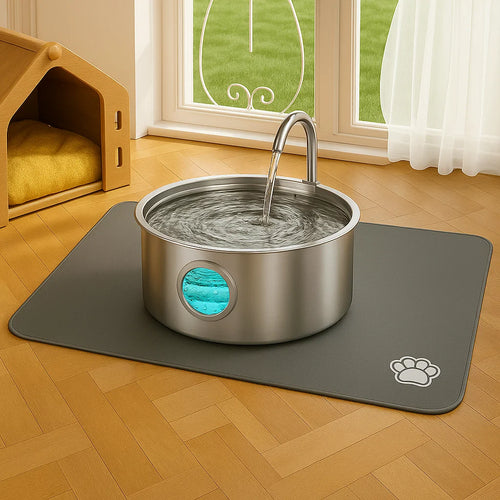
Stainless-steel fountains, like those from Pawdrate, are designed to resist these problems by being less porous and easier to sanitize, promoting better hydration and health (see table below for more details).
How Often Should You Clean Your Pets Fountain?
Consistency is key. Heres a recommended cleaning cadence for most U.S. homes:
| Task | Frequency | Notes |
|---|---|---|
| Quick rinse and refill | Daily | Prevents bacteria and tastes fresher |
| Deep clean (disassemble & scrub) | Weekly | All parts, including pump and filter holder |
| Filter replacement | Every 24 weeks | Check product instructions |
Tip: If you notice a slimy feel, cloudiness, or an odor, clean immediatelyeven if its ahead of schedule.
Material Matters: Stainless Steel vs. Plastic vs. Ceramic
| Material | Hygiene | Durability | Biofilm Risk | Cleaning Ease |
|---|---|---|---|---|
| Stainless Steel | Excellent (non-porous, resists bacteria) | High (no cracks or wear) | Low | Easy (dishwasher safe) |
| Plastic | Poor (scratches harbor bacteria) | Low (cracks, stains) | High | Harder (absorbs odors) |
| Ceramic | Moderate (glaze can crack) | Moderate (chips possible) | Moderate | Requires care (avoid damage) |
Stainless steels non-porous surface helps prevent the microscopic cracks and scratches that allow bacteria and biofilm to stick around, making it the material of choice for a truly hygienic pet fountain.
Step-by-Step: How to Clean Your Pets Water Fountain
- Unplug and Disassemble: Always turn off and unplug the fountain. Remove the pump, filter, and all detachable parts.
- Rinse Components: Rinse each part under warm running water to remove debris and loose grime.
- Scrub Thoroughly: Use a soft-bristle brush or sponge with mild, fragrance-free dish soap. Pay extra attention to seams, crevices, and the pump.
- Clean the Pump: Take apart the pump (check the manual) and rinse the impellerthis area often harbors invisible buildup.
- Rinse Well: Rinse all soap residue away thoroughly. Soap traces can affect water taste and safety.
- Dry & Reassemble: Air-dry or towel-dry all parts before putting the fountain back together.
- Replace the Filter: Swap in a fresh filter as recommended (usually every 24 weeks).
- Refill & Restart: Fill with fresh, cool water and plug back in.
Safe Cleaning Products: Stick to unscented dish soap, diluted white vinegar (for limescale), and manufacturer-approved cleaners. Avoid harsh chemicals like bleach or abrasive pads, especially with stainless steel.
How Much Water Does Your Dog Need?
Proper cleaning encourages more drinking, but how much water is enough? Heres a quick reference:
| Dog Weight (lb) | Approx. Daily Water Intake (oz) | Dog Weight (kg) | Approx. Daily Water Intake (ml) |
|---|---|---|---|
| 10 | 816 | 4.5 | 250500 |
| 25 | 2040 | 11.3 | 6001200 |
| 50 | 4080 | 22.7 | 12002400 |
| 75 | 60120 | 34 | 18003600 |
Most dogs need about 2550 ml per kg (0.40.8 oz per lb) daily. Highly active dogs, warm climates, and dry diets require more. Always consult your vet if you notice changes in drinking habits.
Better Habits Start with a Cleaner Fountain
Caring for your dogs fountain doesnt have to be a chore. A few intentional minutes each week can help protect against illness, support organ health, and encourage your pup to drink moreespecially when their water always tastes (and smells) fresh.
Switching to a stainless-steel fountain makes cleaning easier and keeps harmful bacteria at bay. If youre ready to upgrade or want details on our easy-to-clean, vet-endorsed fountains, see our premium fountain here.