


Its easy to overlook your dogs water bowl until you notice a slimy film, stubborn stains, or, worse, your pup refusing to drink. If youre searching for pet water bowl alternatives, youre not alone. Many devoted dog owners are discovering that not all hydration solutions are created equal and that what your dog drinks from can have a measurable impact on their health, energy, and happiness.
This guide will help you understand the pros and cons of different bowl options, why switching away from plastic matters, and how to create cleaner, healthier drinking habits for your furry family member. Youll get practical advice, vet-aligned hydration guidance, and a deep dive into why flowing, filtered stainless steel fountains are increasingly preferred by health-conscious pet parents.
Why Consider Alternatives to Standard Pet Water Bowls?
Traditional water bowlsespecially those made of plasticcan seem convenient, but they come with hidden drawbacks. Over time, plastic scratches and becomes porous, harboring bacteria and biofilm thats tough to remove, even with regular cleaning. This can change the taste of water, trigger allergies, and, in some cases, increase the risk of infections or skin issues.
Some dogs are naturally picky; stagnant or off-tasting water might lead to reduced intake. Since even mild dehydration can affect your dogs energy, kidney function, and coat quality, its no wonder more owners are seeking out better hydration solutions.
Common Pet Water Bowl Alternatives
- Gravity Waterers: Refill automatically, but water can stagnate and may not stay fresh.
- Ceramic or Glass Bowls: Less porous than plastic, but can chip or crack and require diligent cleaning.
- Automatic Dispensers: Offer convenience, but standing water still risks bacterial growth.
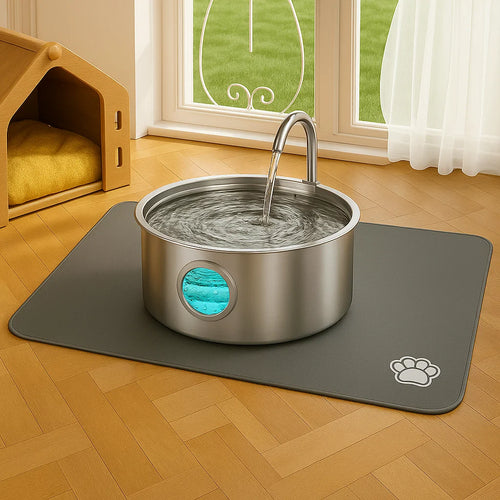
- Pet Water Fountains: Circulate and filter water, keeping it fresher and more appealing.
- Stainless-Steel Bowls: Superior hygiene and durability, but still require daily cleaning.
Material Comparison Table
| Material | Hygiene | Durability | Biofilm Risk | Maintenance |
|---|---|---|---|---|
| Plastic | Low (scratches, porous) | Low (can crack/warp) | High | Daily wash, frequent replacement |
| Ceramic/Glass | Medium (can chip, heavy) | Medium (breakable) | Medium | Daily wash, inspect for chips |
| Stainless Steel | High (non-porous) | High (resists damage) | Low | Easy daily wash |
| Filtered Fountain (Stainless) | Highest (circulates, filters, non-porous) | High | Lowest | Daily rinse, weekly deep clean |
How Much Water Does Your Dog Really Need?
Water needs can vary by breed, age, activity, and diet, but a good rule is 2550 ml per kg (0.40.8 oz/lb) of body weight per day. Dogs on dry kibble or living in hot climates will need more. Heres a quick reference:
Daily Water Intake by Dogs Weight
| Dog Weight (lbs) | Dog Weight (kg) | Recommended Daily Intake (oz) | Recommended Daily Intake (ml) |
|---|---|---|---|
| 10 | 4.5 | 48 | 113225 |
| 25 | 11.3 | 1020 | 283566 |
| 50 | 22.7 | 2040 | 5661133 |
| 75 | 34 | 3060 | 8501700 |
| 100 | 45.4 | 4080 | 11332266 |
Note: These are general guidelines. Needs may varycheck with your vet for personalized advice.
Keeping Water Clean: Cleaning Cadence for Safety
| Action | Frequency |
|---|---|
| Rinse bowl/fountain | Daily |
| Deep clean (with mild soap, rinse thoroughly) | Weekly |
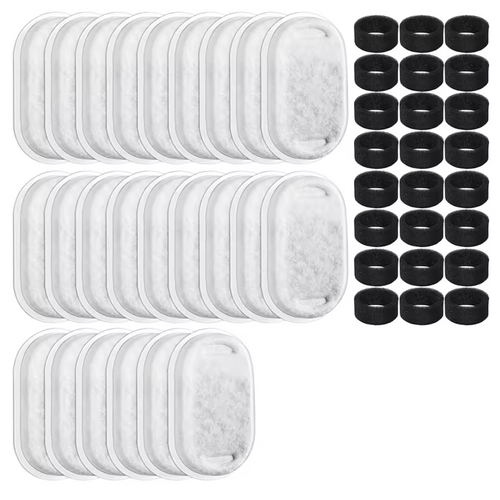
| Change filter (if using a fountain) | Every 22 weeks or per manufacturer |
Stainless steel and filtered fountains are easiest to keep truly clean, minimizing bacteria and buildup. Learn more in our cleaning tips.
How to Switch: Helping Your Dog Embrace a New Water Solution
- Wash and introduce the new fountain or bowl with familiar water at room temperature.
- Place the new option next to your dogs usual spot so they can explore at their own pace.
- Encourage by gently guiding or rewarding curiosity (never force).
- Keep both old and new options available for a few days, then remove the old bowl once your dog drinks confidently from the new one.
Most dogs quickly prefer fresh, moving watermirroring streams in nature. If you choose a stainless-steel fountain with multi-stage filtration, youre offering the cleanest, most enticing hydration experience available. Learn more about the differences in stainless steel vs plastic.
Why Flowing, Filtered Stainless Steel Fountains Stand Out
- Constant circulation keeps water oxygenated and coolmuch more appealing to dogs.
- Stainless steel resists scratches and is non-porous, so it wont harbor bacteria or odors.
- Advanced filtration removes debris, fur, and even microscopic contaminants.
- Designs like the Pawdrate Filtered Water Fountain combine hygiene, ease of use, and beauty for your home.
Empowering Your Dogs Hydration Journey
Choosing a better water solution is about more than convenience or aestheticsits a daily act of love for your dogs health and happiness. With the right alternative, you can help prevent silent dehydration, support kidney and urinary health, and make every sip as fresh and safe as possible. Explore more hydration guidance in our pet hydration tips.
If youre ready to see the difference, explore the Pawdrate Filtered Water Fountaina simple, premium step toward a longer, healthier life for your dog.
This article is informational and not medical advice. Always consult your veterinarian for specific health concerns.