
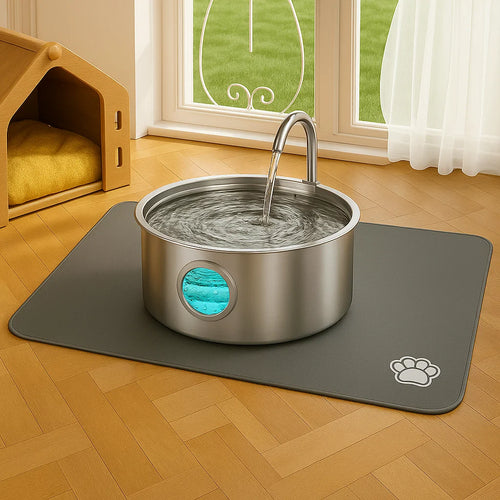


When it comes to your dog’s health, the simplest choices—like what material their water fountain is made of—can make a bigger impact than you think. If you’re weighing plastic versus stainless steel pet fountains, you’re not alone. Many dog parents know hydration is crucial, but hidden hygiene and maintenance differences can quietly affect your dog’s wellbeing. This guide breaks down everything you need to know to make a confident, informed decision.
What to Know: Plastic vs Stainless Steel Pet Fountains
- Hygiene: Stainless steel resists bacteria and biofilm buildup better than plastic.
- Durability: Stainless steel is more robust, won’t scratch easily, and lasts for years.
- Cleaning: Stainless can handle frequent, thorough cleaning—no lingering odors or stains.
- Health: Lower bacteria risk means fewer chances for UTIs and skin irritation.
- Maintenance: Consistent cleaning (daily rinse, weekly deep clean) is essential for all materials.
Why Fountain Material Matters for Your Dog’s Health
Dogs deserve clean, fresh water—just like us. But the material of their water fountain plays a pivotal role in keeping water safe and appetizing. Standing water (especially in porous, scratched bowls) quickly accumulates bacteria and biofilm, which can cause odor, taste changes, and even health issues over time. Flowing water helps, but it’s the surface itself that determines how easily bacteria can take hold.
Material Showdown: Hygiene, Durability, and Safety
| Material | Hygiene (Bacteria/Biofilm) | Durability | Cleaning Ease | Biofilm Risk |
|---|---|---|---|---|
| Stainless Steel | Excellent Non-porous, resists bacteria |
Exceptional Scratch & dent resistant |
Easy Dishwasher safe, no stains |
Low |
| Plastic | Poor Scratches trap bacteria |
Low Scratches, cracks over time |
Moderate Absorbs odors, stains |
High |
| Ceramic | Good Non-porous, but fragile |
Variable Can chip or crack |
Easy Dishwasher safe |
Low-Moderate |
Key takeaway: Stainless steel is the gold standard for pet fountains, offering both superior hygiene and long-term durability. Plastic, while common, can become a breeding ground for bacteria—especially as it ages and scratches.
Bacteria, Biofilm & Odors: The Hidden Hazards of Plastic
Plastic bowls and fountains may seem convenient at first, but they’re more likely to develop a slimy biofilm—a mix of saliva, bacteria, and food particles that clings to scratches. Even with regular rinsing, these micro-grooves can trap germs that multiply quickly, causing odors and increasing the risk of urinary tract infections (UTIs), skin irritation, and even dental issues.
Stainless steel, in contrast, is non-porous and resists scratches, so it’s much harder for bacteria to hide. That means water stays fresher, longer, and your cleaning routine is far more effective.
Cleaning: What’s Required for Each Material?
| Material | Daily Rinse | Weekly Deep Clean | Filter Change |
|---|---|---|---|
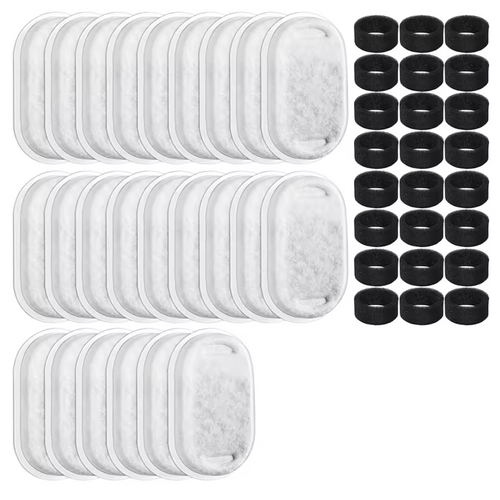
| Stainless Steel | Yes | Yes (dishwasher safe) | Every 2–4 weeks |
| Plastic | Yes | Yes (hand wash, avoid scratches) | Every 2–4 weeks |
| Ceramic | Yes | Yes (dishwasher safe) | Every 2–4 weeks |
Pro tip: Stainless steel stands up to frequent, thorough cleaning—including the dishwasher—without degrading. Plastic can warp, discolor, and develop micro-cracks over time, making hygiene harder to maintain.
Durability: How Long Will Your Fountain Last?
Stainless steel pet fountains are designed to last for years, even with daily use and regular cleaning. They won’t absorb odors, stain, or become brittle over time. Most importantly, they maintain their smooth surface, so you’re not fighting an uphill battle against bacteria.
Plastic fountains, on the other hand, are susceptible to wear and tear. Tiny scratches accumulate from cleaning, pet teeth, or moving parts. These imperfections collect debris and germs, often leading to a cycle of odors, discoloration, and eventually replacement—sometimes within a year or two.
How Material Choice Affects Your Dog’s Health
While all pet parents want their dog to drink more, the wrong fountain can actually discourage healthy hydration. Dogs may avoid water that smells or tastes “off” due to biofilm or trapped bacteria. This is especially true for sensitive dogs or those prone to skin issues or UTIs.
- Stainless steel: Helps keep water neutral in taste and smell, supporting steady drinking habits.
- Plastic: Can leach odors or chemicals, especially as it ages.
For multi-dog households, large breeds, or dogs with allergies, stainless steel fountains offer peace of mind—and fewer worries about hidden risks.
How Much Water Should Your Dog Drink? (Calculator)
Providing clean water is step one. Making sure your dog drinks enough, every day, is step two. Here’s a quick guide:
| Dog Weight (lbs) | Dog Weight (kg) | Recommended Daily Water (ml) |
|---|---|---|
| 10 | 4.5 | 110–225 |
| 25 | 11 | 275–550 |
| 50 | 23 | 575–1150 |
| 75 | 34 | 850–1700 |
| 100 | 45 | 1150–2250 |
General guideline: 25–50 ml water per kg body weight per day. Actual needs vary with diet, activity, and health—always consult your vet for personalized advice.
Choosing the Right Fountain: Simple Steps
- Prioritize hygiene: Opt for non-porous materials (stainless steel is best).
- Size matters: Choose a fountain with enough capacity for your dog’s daily needs.
- Easy maintenance: Select models that are dishwasher safe and easy to disassemble.
- Continuous flow & filtration: Circulating water with advanced filtration keeps things fresher, longer.
Not sure where to start? See our Pawdrate Filtered Water Fountain for a vet-aligned, stainless steel option that fits beautifully into any home.