


Most dog parents want to do whats best for their furry companions, but even simple choices like how your dog drinks water can have a big impact on their health. If youve ever wondered whether a traditional bowl is enough, or if a water fountain might help your pup stay healthier and happier, youre not alone. This guide will help you understand the real differences between water bowls and fountains, backed by trusted guidance and practical data.
Whether youre dealing with a picky drinker, concerned about bacteria, or just looking to make the healthiest choice, well walk you through everything you need to know. Lets ensure your dog gets the clean, fresh hydration they deserve every single day.
- Hydration is crucial for your dogs energy, kidneys, and skin health.
- Bowls and fountains differ in cleanliness, water appeal, and maintenance needs.
- Stainless-steel fountains offer superior hygiene and may encourage more drinking.
- Check your dogs daily water intake (see chart below) and watch for dehydration signs.
- Always consult your vet if your dog shows unusual drinking habits or symptoms.
Why Hydration Matters for Your Dog
Water is the foundation of your dogs health. Proper hydration supports vital organ function, energy, digestion, joint health, and even a shiny coat. Yet many dogs dont drink enough, especially if their water doesnt taste fresh or is exposed to bacteria. Chronic dehydration can lead to fatigue, urinary tract issues, kidney problems, and dull skin or coat.
How Much Water Does Your Dog Need?
Most healthy adult dogs should drink about 25-50 ml of water per kilogram (1-1 ounce per pound) of body weight per day. Needs can vary based on activity, diet (kibble vs wet food), climate, and health conditions.
| Dog Weight | Minimum (25 ml/kg) | Maximum (50 ml/kg) |
|---|---|---|
| 10 lbs (4.5 kg) | 112 ml (3.8 oz) | 225 ml (7.6 oz) |
| 25 lbs (11.3 kg) | 282 ml (9.5 oz) | 565 ml (19 oz) |
| 50 lbs (22.7 kg) | 567 ml (19 oz) | 1,135 ml (38 oz) |
| 75 lbs (34 kg) | 850 ml (28.7 oz) | 1,700 ml (57.5 oz) |
Tip: Note how much you refill your dogs bowl or fountain each day to track intake.
Water Bowls vs Water Fountains: Whats the Difference?
Standard Bowls
Traditional water bowls whether plastic, ceramic, or stainless steel hold still water and are easy to find. But they come with challenges:
- Stale Water: Standing water can collect dust, hair, and bacteria quickly.
- Biofilm Buildup: Biofilm forms if not scrubbed daily, especially in plastic or ceramic bowls.
- Reluctant Drinkers: Some dogs drink less if water tastes or smells off.
Water Fountains
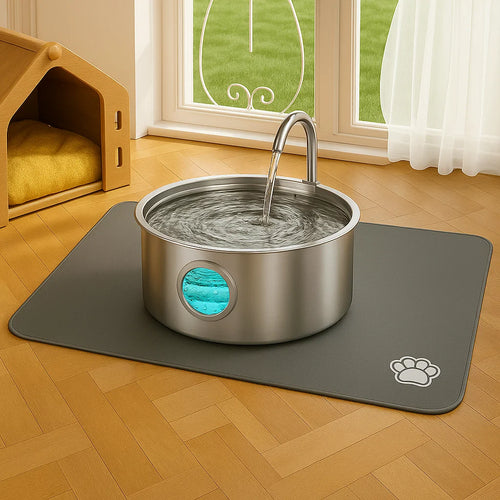
Dog water fountains circulate and filter water constantly, keeping it fresher and more appealing. Key benefits include:
- Continuous Freshness: Movement and filtration reduce bacteria and odors.
- Encourages Drinking: Many dogs are attracted to the sound and motion, leading to better hydration.
- Cleaner Materials: Premium stainless-steel fountains are less likely to harbor bacteria or scratches.
- Convenience: Larger reservoirs and less frequent refills (with proper cleaning and filter changes).
Material Matters: Hygiene, Durability, and Health
| Material | Hygiene | Durability | Biofilm Risk |
|---|---|---|---|
| Plastic | Poor (scratches, absorbs odors) | Low (scratches, stains) | High |
| Ceramic | Moderate (can chip/crack) | Moderate | Medium |
| Stainless Steel | Excellent (non-porous, easy clean) | High | Low |
Stainless steel is the top choice for both bowls and fountains, especially for dogs with allergies or sensitive skin.
Cleaning Cadence: How to Keep Water Safe
| Option | Daily | Weekly | Filter Change |
|---|---|---|---|
| Standard Bowl | Rinse & refill; scrub to remove slime | Deep clean (dishwasher if safe) | --- |
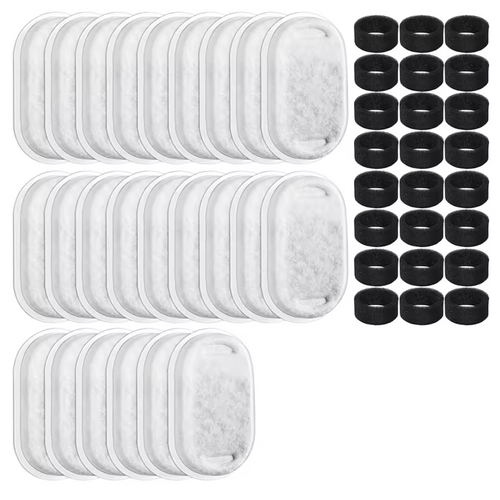
| Stainless Fountain | Rinse & top up water | Disassemble & deep clean all parts | Every 2-4 weeks (per manufacturer) |
Neglecting cleaning even with a fountain can lead to biofilm, mineral buildup, or unhealthy water. Routine care is crucial for health.
Signs Your Dog May Need an Upgrade
- Your dog drinks less than the guideline amount or seems disinterested.
- Recurring slime or odor in the bowl, even with cleaning.
- Multiple pets sharing water (increased germs, faster contamination).
- Frequent urinary tract issues or sensitive skin/ears.
- Large breed (needs more water or dislikes refills running out).
Making the Best Choice for Your Dogs Health
Choosing between a water bowl and a fountain isnt just about convenience its about supporting your dogs well-being every day. A premium, flowing, stainless-steel fountain can encourage your dog to drink more, reduce germs, and make daily care easier for you. Thats why more vets and pet parents are making the switch for cleaner, healthier hydration.
If youre ready to explore a safer, fresher way to keep your dog hydrated, discover the benefits of the Pawdrate Filtered Water Fountain the only fountain designed to protect your dogs health with surgical-grade stainless steel and advanced filtration, every day.
Empower Your Dogs Health One Sip at a Time
Small shifts in our routines like choosing the right water source can make all the difference in your pets energy, comfort, and longevity. Trust your instincts, watch your dogs habits, and know that every fresh sip brings them closer to a longer, healthier life.