


As dog owners, we all want to give our pets the longest, healthiest lives possible. Yet, one of the most overlooked keys to canine health is also the simplest: water. If you have ever wondered why your dog sometimes seems tired, has a dull coat, or struggles with recurring urinary issues, hydration could be at the heart of the matter.
This guide explains the science and practicalities of hydration, so you can help your dog thrive every single day.
What to Know
- Water is vital for digestion, energy, kidney, and skin health.
- Typical dogs need 2550 ml water per kg (0.40.8 oz/lb) of body weight daily.
- Dehydration can cause fatigue, urinary problems, and more.
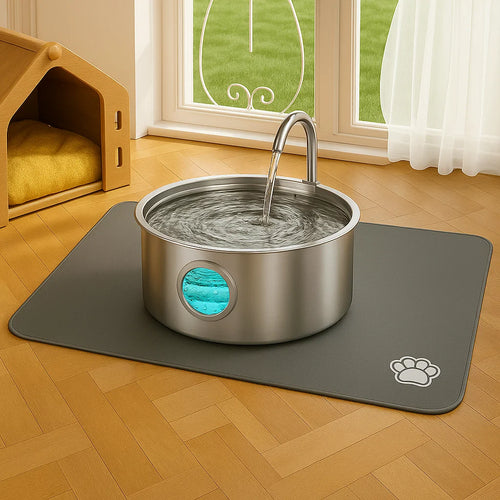
- Stainless-steel fountains promote hygiene and encourage drinking.
- Always consult your vet for persistent low intake or health concerns.
The Role of Water in Your Dogs Body
Water makes up about 6070% of your dogs body weight. Nearly every bodily function from regulating temperature to flushing toxins relies on adequate hydration. Heres how water keeps your dog healthy:
- Digestion: Water helps break down food and absorb nutrients.
- Circulation: It transports oxygen and nutrients in the bloodstream.
- Joint Health: Lubricates joints for comfortable movement.
- Detoxification: Flushes waste through the kidneys and urinary tract.
- Temperature Regulation: Dogs cool down by panting an act that loses water quickly, especially in summer or after exercise.
How Much Water Does Your Dog Need?
Water needs vary with size, age, diet, activity, and weather. Heres a general guideline:
| Dog Weight | Daily Water Intake |
|---|---|
| 10 lbs (4.5 kg) | 170340 ml (612 oz) |
| 25 lbs (11 kg) | 425850 ml (1429 oz) |
| 50 lbs (23 kg) | 8501700 ml (2958 oz) |
| 75 lbs (34 kg) | 12752550 ml (4386 oz) |
| 100 lbs (45 kg) | 17003400 ml (58115 oz) |
Note: Dogs on dry kibble, large breeds, pregnant/nursing dogs, or active pups often need more. Wet food provides some hydration, but always offer fresh water. If in doubt, consult your veterinarian.
Spotting Dehydration: Signs and Severity
Dehydration can develop quietly. Early symptoms are easy to miss so vigilance is key. Heres what to watch for:
- Mild: Lethargy, dry gums, sticky saliva, less interest in playing or walking.
- Moderate: Sunken eyes, loss of skin elasticity (pinch test), dark yellow urine, panting.
- Severe: Rapid heart rate, collapse, vomiting, refusal to eat or drink. This is a veterinary emergency.
Treat mild dehydration by offering fresh, cool water. If symptoms persist, worsen, or your dog refuses to drink, contact your vet promptly.
Clean Water, Clean Bowl: Why Hygiene Matters
Even clean-looking water bowls can harbor invisible bacteria and biofilm a slimy layer that is a magnet for germs. Hygiene is not just about taste; it is about health:
| Material | Hygiene | Durability | Biofilm Risk |
|---|---|---|---|
| Stainless Steel | Excellent (non-porous, easy to sterilize) | High | Low |
| Ceramic | Good (if glaze is intact) | Medium (may chip) | Medium |
| Plastic | Poor (scratches trap bacteria) | Low | High |
Stainless-steel fountains offer moving, filtered water discouraging biofilm and encouraging more frequent drinking, especially for picky or sensitive pets. They are also easiest to keep truly clean.
Simple Habits for Better Hydration
- Provide fresh water daily; refill several times in hot weather.
- Rinse bowl or fountain daily; deep clean weekly with gentle soap/hot water.
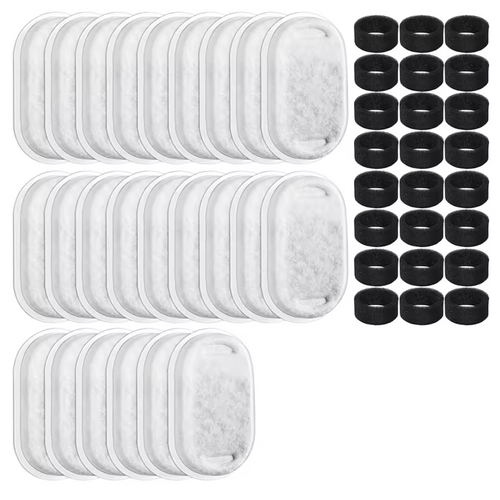
- Replace filters per fountain guidelines (often every 24 weeks).
- Use multiple stations for multiple pets.
- Place water away from food and litter areas for sensitive dogs.
- Encourage drinking after walks or play sessions.
| Task | Frequency |
|---|---|
| Rinse bowl/fountain | Daily |
| Deep clean (soap/hot water) | Weekly |
| Replace filter | Every 24 weeks |
Healthy Habits Start with Better Water
When water is fresh, moving, and free from contaminants, dogs naturally drink more just like in the wild, where they seek out flowing streams over stagnant puddles. A premium stainless-steel fountain, like the Pawdrate Filtered Water Fountain, combines advanced filtration, durable design, and gentle circulation to keep water inviting and safe for every pup.
Small changes like upgrading your dogs water source can make a lasting difference for their energy, kidneys, and lifelong health.
Empowering Takeaway
Hydration is one of the greatest gifts you can give your dog. By understanding their needs and making clean, fresh water a daily priority, you are setting the stage for more adventures, more tail wags, and more healthy years together. Heres to a future of happy, hydrated pups!
This article is informational and not medical advice. Always consult your veterinarian for concerns about your dogs health.