
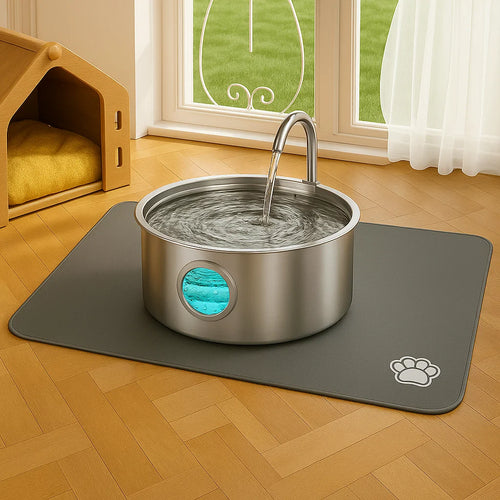


Your dog’s water should be as clean and fresh as your own. But with so many filter options for pet water fountains, how do you know which one really keeps your furry family member safe and healthy? In this guide, we’ll help you confidently choose the right filter—so every drink is a step toward a longer, happier life.
What to Know: Choosing the Right Filter for Your Dog’s Fountain
- Filters reduce bacteria, debris, and bad tastes in your dog's water.
- Different filter types (carbon, foam, multi-stage) suit different needs.
- Match filter type to your fountain material—stainless steel is the hygiene gold standard.
- Replace filters regularly; a dirty filter can harm more than help.
- Consult your vet if your dog is immunocompromised or has water sensitivities.
Why Filtration Matters: Not Just Clear Water, But Safer Water
Dogs are drawn to moving water for a reason—flowing streams in nature rarely harbor the bacteria and debris that can lurk in stagnant puddles. A home water fountain mimics this effect, but without the right filter, even the best fountain can leave contaminants behind.
Filters aren’t just about clarity or taste. They actively remove:
- Hair, dirt, and food particles
- Heavy metals and chlorine (with activated carbon)
- Bacteria and biofilm (especially when paired with stainless steel)
Clean, filtered water helps prevent urinary tract issues, supports kidney health, and encourages dogs to drink more—crucial for energy, mobility, and healthy skin and coat.
Types of Filters: Which One Is Best for Your Dog?
| Filter Type | Main Function | Typical Lifespan | Best For |
|---|---|---|---|
| Activated Carbon | Removes odors, chlorine, some toxins | 2–4 weeks | Most households |
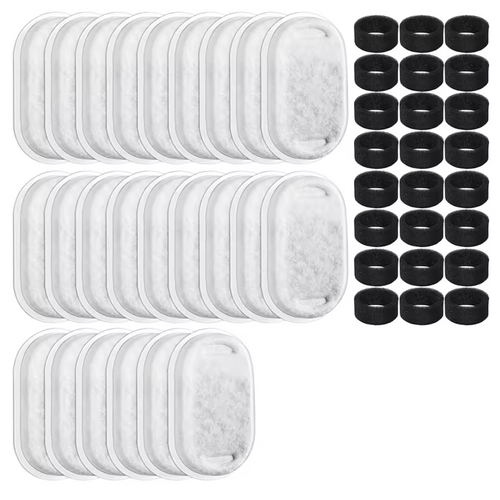
| Foam/Sponge Pre-Filter | Catches hair, debris, food bits | 2–4 weeks | Multi-pet homes, heavy shedders |
| Multi-Stage (Carbon + Mesh + Ion Exchange) | Comprehensive: debris, chemicals, heavy metals | 2–4 weeks | Sensitive dogs, premium health focus |
Multi-stage filters are especially effective when paired with a stainless-steel fountain, as steel resists biofilm and bacterial buildup far better than plastic or ceramic.
Material Matters: Why Filter and Fountain Work Together
| Material | Hygiene | Durability | Biofilm Risk |
|---|---|---|---|
| Stainless Steel | Excellent—resists bacterial growth | Top-tier (years of use) | Low |
| Ceramic | Good, but can chip/crack | Moderate | Moderate |
| Plastic | Poor—scratches harbor bacteria | Low (scratches, stains) | High |
Filters can only do so much if the fountain itself harbors bacteria. That’s why many vets and health experts recommend stainless steel for both the bowl and the internal pump housing.
How Often Should You Change Your Filter?
| Task | Recommended Frequency |
|---|---|
| Daily rinse/refill | Every 24 hours |
| Deep clean (dish soap, warm water, scrub all parts) | Once per week |
| Filter replacement | Every 2–4 weeks (more for multi-dog or high-shedding households) |
Check your fountain’s instructions for specifics, but err on the side of more frequent changes if water begins to look cloudy, smell off, or your dog seems reluctant to drink. A clogged or old filter can actually harbor bacteria or mold.
How Much Water Does Your Dog Need?
Clean water is only as helpful as the amount your dog drinks. Here’s a quick guide to daily water needs:
| Dog Weight (lbs) | Dog Weight (kg) | Recommended Daily Intake (ml) | Recommended Daily Intake (cups) |
|---|---|---|---|
| 10 | 4.5 | 110–225 | 0.5–1 |
| 25 | 11.3 | 275–563 | 1–2.5 |
| 50 | 22.7 | 563–1125 | 2.5–4.75 |
| 75 | 34 | 845–1688 | 3.5–7 |
Tip: Multiply your dog’s weight in kg by 25–50 to get a general daily water range in milliliters. Needs may increase with heat, activity, or diet (especially dry kibble).
Choosing Filters for Your Dog’s Unique Needs
- Multi-pet or Large Breeds: Opt for a fountain with a robust, multi-stage filter to handle higher debris and bacteria loads.
- Sensitive or Senior Dogs: Choose fine-pore, multi-stage filters and consider stainless steel to minimize allergens and contaminants.
- Heavy Shedders: Look for fountains with foam pre-filters to catch fur before it clogs the main filter.
Always match the filter to your fountain model and material for the best fit and performance.
Cleaner Water, Healthier Habits
Making the right filter choice is about more than maintenance—it’s about protecting your dog’s health and encouraging healthy hydration habits every day. Flowing, filtered water in a stainless-steel fountain keeps water fresher, cleaner, and more inviting. Explore our premium Pawdrate fountain for a solution that pairs advanced filtration with hospital-grade hygiene—making it easier for you to give your dog the gift of a longer, healthier life.