

As caring dog owners, we all want our pups to live long, energetic, and joyful lives. Yet, even the most attentive pet parents can overlook a surprisingly common problem: dehydration. If youve ever wondered whether your dog is drinking enough, or felt frustrated by water bowls that seem to get slimy or ignored, youre not alone. This guide will help you explore the full landscape of dog hydration solutionsso you can confidently support your dogs health, every day.
In this article, youll learn:
- Why hydration is critical for dogs of all ages and breeds
- The pros and cons of common water bowl solutions
- How much water your dog really needs (with a practical calculator)
- Signs of dehydration to watch for
- How to create cleaner, healthier water habits at home
Why Hydration Matters for Your Dogs Health
Water is essential for every function in your dogs bodyfrom regulating temperature, lubricating joints, and supporting healthy digestion, to flushing toxins and promoting a shiny coat. Mild, chronic dehydration is more common than you might think and can quietly affect energy, kidney health, skin, and even mood.
Dogs cant always tell us theyre thirsty, and many factors (like food type, weather, activity, or age) influence how much water they need. Thats why providing clean, appealing water at all times is vital for prevention.
How Much Water Does My Dog Need? (Calculator)
While every dog is unique, a good general rule is 2550 milliliters per kilogram (ml/kg) of body weight per day (or about 0.51.0 ounce per pound). Dogs eating mostly dry food, larger breeds, and active pups may need more, while those on wet diets might drink less.
| Dog Weight | Minimum (ml) | Maximum (ml) | Minimum (oz) | Maximum (oz) |
|---|---|---|---|---|
| 10 lbs (4.5 kg) | 112 | 225 | 3.8 | 7.6 |
| 25 lbs (11.3 kg) | 282 | 565 | 9.5 | 19.1 |
| 50 lbs (22.7 kg) | 567 | 1,134 | 19.2 | 38.4 |
| 75 lbs (34 kg) | 850 | 1,700 | 28.7 | 57.5 |
| 100 lbs (45.4 kg) | 1,135 | 2,270 | 38.4 | 76.8 |
Use these numbers as a starting point, and always monitor your dogs habits and your vets advice.
Dog Hydration Solutions: From Bowls to Fountains
Traditional Water Bowls
- Plastic: Affordable, but prone to scratches, biofilm buildup, and odors. Can harbor bacteria and may trigger allergies in sensitive dogs.
- Ceramic: Heavier and more attractive, but can chip and develop hidden cracks where bacteria grow. Glaze quality varies.
- Stainless Steel: Durable, non-porous, and easy to clean. Resists bacteria, wont leach chemicals or absorb odors. Premium choice for hygiene and longevity.
Gravity and Automatic Dispensers
- Convenient for busy owners, but standing water can become stale or contaminated quickly.
- Harder to keep thoroughly clean (especially plastic versions).
Filtered, Flowing Water Fountains
- Circulating water mimics natural streamsencouraging dogs to drink more.
- Advanced multi-stage filtration removes hair, debris, and bacteria for cleaner, fresher water.
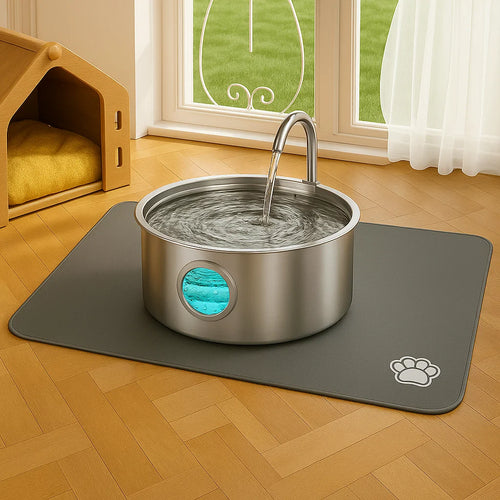
- Stainless-steel models, like the Pawdrate fountain, combine optimal hygiene, durability, and easy maintenance for busy households.
| Material/Type | Hygiene | Durability | Biofilm Risk | Ease of Cleaning |
|---|---|---|---|---|
| Plastic Bowl | Low | Low | High | Moderate |
| Ceramic Bowl | Moderate | Moderate | Moderate | Moderate |
| Stainless-Steel Bowl | High | High | Low | Easy |
| Stainless-Steel Fountain | Very High | High | Very Low | Easy |
While any clean bowl is better than none, fountains with flowing, filtered water can make hydration more invitingespecially for picky drinkers or multi-pet homes.
Cleaning Cadence: The Overlooked Solution
| Task | Frequency |
|---|---|
| Rinse bowl/fountain | Daily |
| Deep clean (soap, scrub parts) | Weekly |
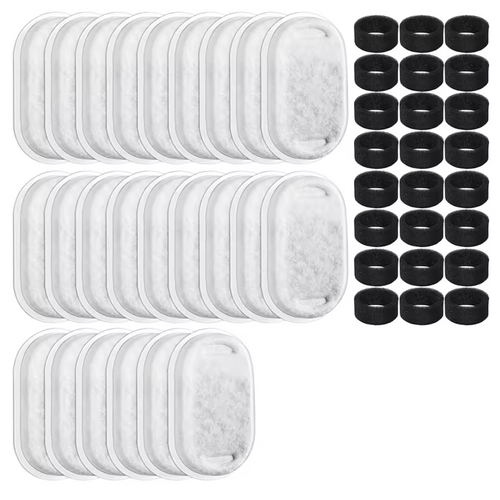
| Replace filter (if applicable) | Every 24 weeks, per manufacturer |
Stainless steel is the easiest to keep truly clean, resisting scratches and preventing bacterial buildup over time. Always check for hidden grime, and avoid harsh cleaners that could leave residues.
How to Spot Dehydration in Your Dog
- Lethargy or unusual tiredness
- Dry, sticky gums
- Loss of skin elasticity (gently pinch the back of your dogs neckskin should snap back quickly)
- Sunken eyes
- Reduced appetite or urination
Encouraging Healthier Drinking Habits
- Keep water stations in quiet, accessible areasaway from food bowls if your dog prefers
- Refresh water daily and clean bowls or fountains regularly
- Switch to a moving, filtered fountain if your dog drinks less during hot weather, after exercise, or with age
- Monitor intake for changes, especially in senior or large-breed dogs
Many owners find their dogs drink more enthusiastically from flowing, filtered watermuch like theyd prefer a running stream in nature over a stagnant puddle. Stainless-steel fountains such as Pawdrate combine hygiene, design, and effortless maintenance for busy families.
Your Dog Deserves the Best Hydration Solution
Choosing the right water solution is an investment in your dogs long-term health, energy, and happiness. Whether youre upgrading from plastic bowls or looking for a premium option for a beloved family member, moving to a flowing, filtered, stainless-steel fountain can make a meaningful difference.
Ready to give your dog the gift of a longer, healthier life? Explore the Pawdrate Filtered Fountain and see how a small hydration upgrade can lead to lasting benefitsfor you and your best friend.
This article is informational and not medical advice. Always consult your veterinarian with health concerns.