


Many dog owners have noticed itithe water bowl gets slimy, your dog sniffs and walks away, and you wonder: is my pet drinking enough? You are not alone. Uncirculated, stagnant water is not just unappealing to your pupit can quietly impact their health.
This guide explains why circulating water is essential for your dogs well-being, what happens when water sits still, and how small changes at home can lead to a longer, healthier life.
The Hidden Risks of Stagnant Water
Think of a mountain streamclear, cool, always moving. Now think of a pond after a hot week: cloudy, with a visible film on top. Dogs instinctually prefer flowing water because, in nature, it is less likely to harbor bacteria, parasites, or debris.
When water sits still in a bowl, especially in warm homes, bacteria and biofilm (a slimy layer of microorganisms) can form quickly. This not only makes water taste and smell less appealing, but can also pose risks to your dogs healthespecially for puppies, seniors, or immunocompromised pets.
- Bacteria & Biofilm: These thrive on bowl surfaces, especially plastic, and can multiply rapidly if not cleaned frequently.
- Reduced Appeal: Dogs often drink less from water that looks, smells, or tastes offleading to chronic, low-level dehydration.
How Circulating Water Promotes Health
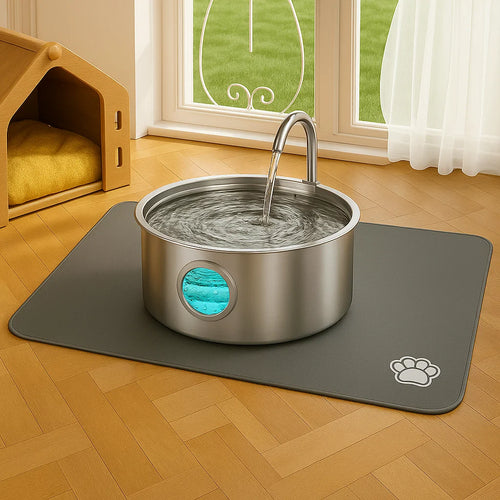
A circulating pet fountain keeps water in motion, continuously filtering out debris, oxygenating each drop, and helping prevent bacteria buildup. Here is why that matters:
- Encourages Hydration: Flowing water is more attractive to dogs, often increasing their daily intake.
- Reduces Bacteria: Moving water, especially when filtered, disrupts the conditions bacteria and algae need to thrive.
- Supports Vital Organs: Adequate hydration protects the kidneys, supports urinary tract health, and helps regulate body temperature.
Did you know? Dogs should drink roughly 2550 ml of water per kg of body weight daily (about 0.40.8 oz per pound).
| Dog Weight | Recommended Water (ml/day) | Recommended Water (cups/day) |
|---|---|---|
| 10 lbs (4.5 kg) | 110225 ml | ~0.51 cup |
| 30 lbs (13.6 kg) | 340675 ml | ~1.52.8 cups |
| 60 lbs (27.2 kg) | 6801,350 ml | ~2.85.7 cups |
Note: These are general guidelines. Your dogs needs may vary with age, diet, activity, and health. Always consult your vet if you have concerns.
Material Matters: Stainless Steel vs. Plastic vs. Ceramic
| Material | Hygiene | Durability | Biofilm Risk |
|---|---|---|---|
| Stainless Steel | Excellent (non-porous, easy to clean) | High | Low |
| Plastic | Poor (scratches harbor bacteria) | Low | High |
| Ceramic | Good (if glazed, can chip) | Medium | Medium |
Stainless steel remains the gold standard for pet water fountains due to its non-porous surface and ease of cleaning, helping your pet avoid unnecessary exposure to bacteria and mold.
How Often Should You Clean Your Dogs Water Source?
| Task | Frequency |
|---|---|
| Rinse & refill water | Daily |
| Deep clean fountain/bowl | Weekly |
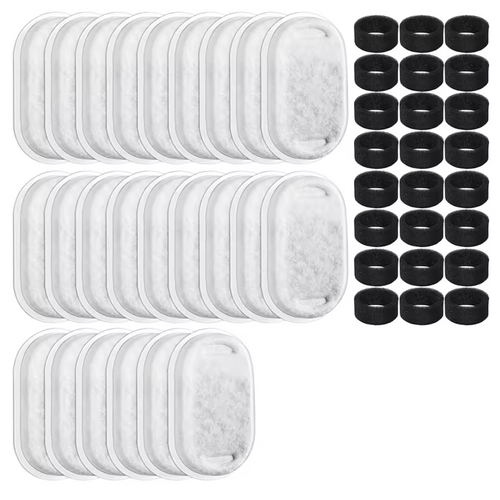
| Replace filter (if applicable) | Every 34 weeks |
Consistent cleaning is just as important as using the right fountain. Set reminders to keep your dogs hydration routine safe and simple!
Bringing It All Together: Healthier Habits, Healthier Dogs
Switching to a high-quality circulating fountainespecially one made from stainless steelremoves a key barrier to hydration. It encourages your dog to drink more, reduces exposure to bacteria, and makes cleaning effortless.
If you are considering this upgrade, see how the Pawdrate Filtered Water Fountain can support your familys hydration goals. Small changes, big difference.