

Empathy for Pet Parents: If you’re reading this, you already know how much hydration matters to your dog’s health—but spotting the signs your pet isn’t drinking enough water isn’t always straightforward. Dehydration in dogs can sneak up, affecting everything from their energy to their organs. In this guide, we’ll help you recognize subtle and serious signs, understand how much water your dog really needs, and discover practical, vet-aligned ways to support better hydration—starting today.
- Early signs include lethargy, dry nose, sticky gums, and loss of skin elasticity.
- Dogs need roughly 25–50 ml of water per kg body weight daily.
- Severe dehydration can cause sunken eyes, rapid heart rate, and collapse.
- Plastic bowls can harbor bacteria and discourage drinking—stainless steel is safer and easier to clean.
- Always consult your veterinarian if symptoms are severe or persist.
Why Hydration Is a Silent Cornerstone of Your Dog’s Health
Water isn’t just a thirst-quencher—it’s vital for every cell in your dog’s body. Healthy hydration supports energy, kidney function, cognition, digestion, and even the shine of their coat. When dogs don’t drink enough, these systems struggle quietly until symptoms become hard to ignore. The challenge? Dogs are instinctively good at hiding discomfort, so subtle changes matter.
Common Signs Your Dog Isn’t Drinking Enough Water
Dehydration in dogs can range from mild to life-threatening. Here’s what to watch for, from subtle to urgent:
- Lethargy or unusual tiredness: Less interest in play, slower on walks, or excessive napping.
- Dry or sticky gums: Healthy gums should be moist and slippery. Gently lift the lip and touch—sticky or tacky gums are a warning sign.
- Loss of skin elasticity: Try the 'skin tent' test: gently pinch the skin between your dog’s shoulder blades. It should spring back quickly. If it stays tented, dehydration may be present.
- Sunken eyes: Eyes may appear dull or receded.
- Panting more than usual: Especially when not hot or after little exertion.
- Loss of appetite: Dehydrated dogs may refuse food.
- Thick saliva or dry nose: Saliva should be thin; sticky saliva or a cracked nose can be a tip-off.
- Reduced urination: Less frequent or darker urine.
Dehydration Severity Table
| Severity | Common Signs |
|---|---|
| Mild | Slight lethargy, dry gums, reduced skin elasticity |
| Moderate | Sunken eyes, rapid heart rate, significant lethargy |
| Severe | Collapse, shock, kidney risk—emergency |
How Much Water Does Your Dog Actually Need?
The general guideline: 25–50 ml per kilogram (about 0.4–0.8 oz per pound) of body weight per day. Needs vary with activity, diet (dry kibble vs. wet food), age, and climate. Use this table for a quick estimate:
Daily Water Intake by Weight
| Dog Weight | Daily Minimum | Daily Maximum |
|---|---|---|
| 10 lbs (4.5 kg) | 6.8 oz (200 ml) | 13.5 oz (400 ml) |
| 25 lbs (11 kg) | 13 oz (325 ml) | 27 oz (650 ml) |
| 50 lbs (23 kg) | 23 oz (575 ml) | 46 oz (1.15 L) |
| 75 lbs (34 kg) | 34 oz (850 ml) | 68 oz (1.7 L) |
| 100 lbs (45 kg) | 45 oz (1.1 L) | 90 oz (2.2 L) |
Note: These are estimates. Always consult your vet for your dog’s unique needs.
Why Bowl Material Matters for Hydration (and Health)
Not all water bowls are created equal. Plastic and porous ceramics can trap bacteria and biofilm, making water taste off and discouraging your pet from drinking. Stainless steel is the gold standard: it’s nonporous, resists bacteria, and is easy to sanitize. A clean, hygienic bowl or fountain encourages more frequent, safer drinking—especially for sensitive dogs or multi-pet homes.
Material Comparison Table
| Material | Hygiene | Durability | Biofilm Risk | Ease of Cleaning |
|---|---|---|---|---|
| Stainless Steel | Excellent | High | Low | Easy |
| Ceramic | Good (if glazed, unchipped) | Moderate | Moderate | Moderate |
| Plastic | Poor | Low | High | Difficult |
How Often Should You Clean Your Dog’s Water Fountain or Bowl?
- Daily: Rinse and refill with fresh water.
- Weekly: Deep clean bowl/fountain with pet-safe detergent and thorough rinse.
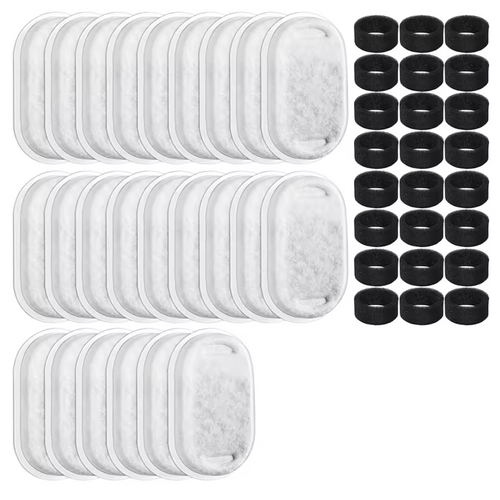
- Filter replacement: Follow manufacturer’s guidelines—usually every 2–4 weeks for most fountains.
Consistent cleaning keeps water inviting and minimizes bacterial build-up—key to healthy habits.
Practical Ways to Encourage Better Hydration
- Keep water bowls/fountains fresh, clean, and accessible at all times.
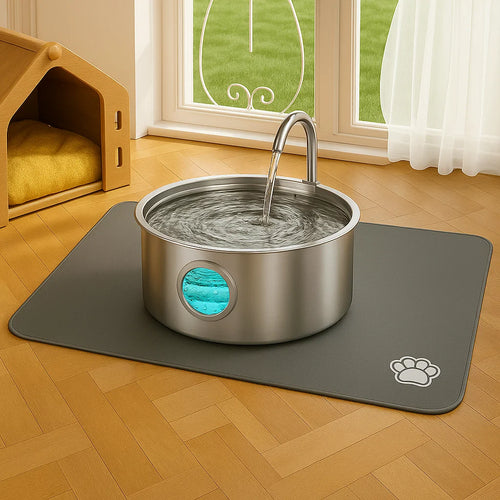
- Use a stainless-steel fountain with filtered, moving water—dogs often prefer the taste and sound, which can boost drinking.
- Add a splash of low-sodium broth or ice cubes for variety (if approved by your vet).
- Offer extra water after exercise, play, or time outdoors, especially in warm weather.
- Monitor intake and adjust if your dog eats mostly dry food.
Support Lifelong Hydration: Small Changes, Big Impact
Every drop counts—especially since most dogs won’t tell you directly when they’re thirsty. By recognizing early signs of dehydration, choosing hygienic materials, and making water appealing and accessible, you’re helping your dog stay vibrant, energetic, and healthy.
If you’re curious how a premium stainless-steel fountain can naturally encourage your dog to drink more, explore the Pawdrate Filtered Water Fountain—designed for easy cleaning, constant freshness, and peace of mind.