


Juggling different pets at homedogs, cats, big, small, bold, or bashfulusually means twice the love, but also double the daily challenges. One of the most overlooked? Ensuring every furry family member gets enough safe, clean water without hassle, mess, or health risks.
If youve ever found yourself refilling water bowls multiple times a day, worrying about cross-contamination, or noticing one pet hogging the water, youre not alone. Multi-pet households face unique hydration hurdles. This guide will help you understand those challenges, avoid hidden health risks, and discover the benefits of hygienic, modern water solutions designed for life with multiple pets.
Heres what youll learn:
- How shared water bowls can impact your pets health and harmony
- Why material choice matters more than you think
- Tips to keep water fresh, clean, and appealing for every pet
- Vet-aligned cleaning routines and when to call for help
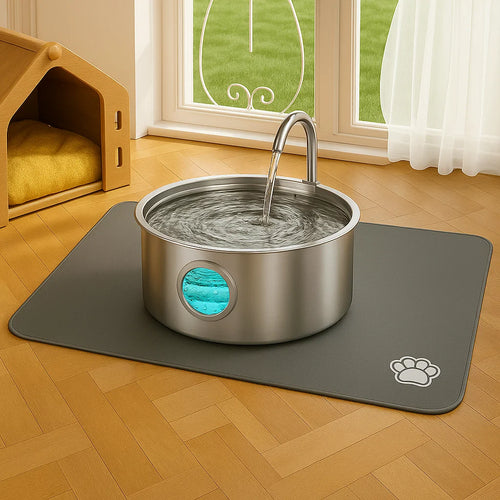
- How premium, stainless-steel fountains make hydration safer and easier for everyone
- Each pet should have easy, stress-free access to clean water throughout the day.
- Stainless-steel and filtered fountains reduce bacteria and biofilm risk, unlike plastic bowls.
- Most dogs need 2550 ml water/kg body weight daily; cats may need slightly less, but access is crucial for both.
- Shared bowls can spread germscleaning and filtration matter more with multiple pets.
- If a pet drinks less, shows fatigue, or you see slime in bowls, address the issue promptly.
Why Multi-Pet Hydration Takes Extra Care
In homes with more than one pet, water bowls often become social hotspotsand battlegrounds. Some pets are shy and wait for others to finish. Some guard the bowl or drink it dry. Cross-contamination is a real risk, especially if one pet has dental issues or a minor illness.
Stagnant water becomes a breeding ground for bacteria, and plastic bowls quickly develop micro-scratches that trap biofilma slimy layer of bacteria and debris. Even if your pets seem healthy, invisible germs can travel between them through shared water.
Daily Water Intake by Weight
| Pet Weight (lbs/kg) | Daily Water (oz/ml) | Notes |
|---|---|---|
| 10 lbs (4.5 kg) | 817 oz (250500 ml) | Cats, small dogs |
| 30 lbs (13.6 kg) | 2551 oz (7501,500 ml) | Medium dogs |
| 60 lbs (27.2 kg) | 51102 oz (1,5003,000 ml) | Large dogs |
Note: These are general guidelines. Actual needs vary based on diet, age, activity, and your veterinarians advice.
The Hidden Dangers of Shared Bowls
- Stress and Competition: Some pets drink less if they have to share, especially if one guards the bowl.
- Disease Transmission: Gum disease, colds, or tummy bugs can spread through communal water.
- Biofilm Buildup: Plastic bowls and fountains develop grime even with regular rinsing. This biofilm can harbor bacteria.
- Hygiene Fatigue: Multiple bowls mean more cleaningor riskier shortcuts.
Material Matters: Stainless vs. Plastic vs. Ceramic
| Material | Hygiene | Durability | Biofilm Risk | Ease of Cleaning |
|---|---|---|---|---|
| Stainless Steel | Excellent, non-porous | High | Low | Easy (dishwasher-safe) |
| Plastic | Poor, scratches easily | Low | High | Tedious |
| Ceramic | Good if glazed, but fragile | Moderate | Medium | OK, but can chip |
Cleaning Cadence for Multi-Pet Fountains
| Task | Frequency | Tips |
|---|---|---|
| Rinse & Refill | Daily | Keeps water appealing, removes fur/debris |
| Deep Clean (with safe soap) | Weekly | Use soft brush, rinse thoroughly |
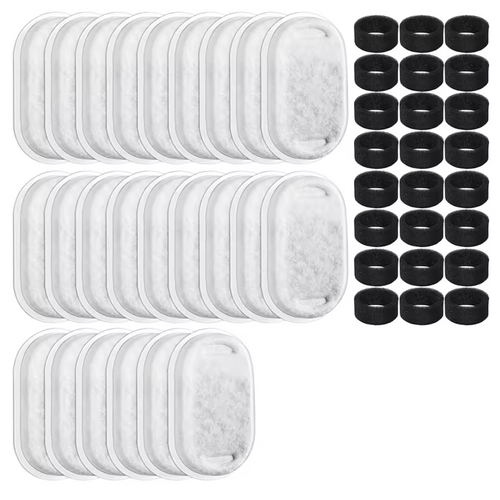
| Filter Replacement | 24 weeks | Follow product guidelines |
Practical Tips: Keeping the Peace (and Cleanliness!)
- Place your fountain in a neutral, low-traffic area where pets feel safe approaching.
- If you have both cats and dogs, consider a raised fountain to discourage playful splashing.
- Monitor water levelslarge breeds and multiple pets can empty bowls fast, especially in summer.
- Introduce a new fountain gradually: let pets sniff it empty, then fill and turn on, rewarding curiosity.
- Check filters and water clarity daily; cloudy or slimy water means its time to clean right away.
- For pets with medical needs, check with your vet about exclusive water sources.
Why Flowing, Filtered, Stainless-Steel Water Makes the Difference
In nature, pets instinctively seek moving waterit's fresher, cooler, and less likely to carry disease. Thats why flowing, filtered fountains are so effective, especially in multi-pet homes. Stainless steel resists scratches and bacteria, while multi-stage filtration keeps water tasting and smelling better, day after day. Fountains also encourage even the shyest pets to drink more, supporting kidney function, energy, and a glossy coat for every family member.
Ready to make hydration effortless, healthy, and harmonious for everyone? Explore our premium Pawdrate stainless-steel fountain and see how it brings peace and better health to your multi-pet householdno more stress, just steady hydration for all.
Empowerment: Every Pet, Every Sip
With a few simple shiftssmart placement, regular cleaning, and safe materialsyou can create a water routine that keeps every pet refreshed and healthy. Balanced hydration is a gift thats easy to give, and it starts with a solution designed for your whole pet family.
This article is informational and not medical advice. Always consult your veterinarian with concerns about your pets health or hydration.