


Your dog deserves more than just a bowl of water. If you’re concerned about slime, odors, or just want to give your pet the healthiest hydration possible, you’re not alone. In this guide, we’ll explore how filtered water fountains can transform your dog’s well-being, making clean, safe hydration simple for the whole family.
Read on to learn:
- Why moving, filtered water matters for dogs
- Key health benefits, from kidneys to energy and coat
- How stainless steel fountains keep water—and your home—cleaner
- Easy cleaning and maintenance routines
- When to ask your vet about your dog’s water habits
- Dogs need 25–50 ml (0.8–1.7 oz) of water per kg of body weight daily. Filtered fountains can help them meet these needs.
- Flowing water is more inviting and less likely to harbor bacteria than standing water in bowls.
- Stainless steel is the gold standard for hygiene—unlike plastic, it won’t trap biofilm or odors.
- Regular cleaning is easy: rinse daily, deep clean weekly, and replace filters as recommended.
- Better hydration means more energy, healthier kidneys, and a shinier coat for your dog.
Why Water Quality Matters More Than You Think
Imagine leaving your own glass of water out all day. Dust settles, bacteria multiply, and the taste changes. The same happens in your dog’s water bowl—only faster. Standing water can quickly become a breeding ground for bacteria, leading to slime (biofilm) and bad smells, which many dogs instinctively avoid. Sadly, this means some pets drink less than they need, risking dehydration.
Filtered fountains keep water circulating and fresh. The gentle movement prevents bacteria from settling, and advanced filters remove particles, hair, and unpleasant tastes, making the water more appealing and safer for your dog.
Health Benefits: More Than Just Quenching Thirst
- Promotes Kidney and Urinary Health: Clean, plentiful water helps flush toxins and prevents painful urinary tract issues.
- Supports Skin and Coat: Hydrated dogs are less prone to dry skin and brittle fur. You may notice a shinier, healthier coat.
- Boosts Energy and Vitality: Proper hydration supports your dog’s metabolism, muscle function, and energy levels.
- Reduces Risk of Biofilm and Bacteria: Flowing water and stainless steel surfaces dramatically reduce the chances of slimy buildup that’s common with plastic bowls.
How Much Water Does Your Dog Need?
Every dog is unique, but most need 25–50 ml of water per kilogram of body weight daily (about 0.8–1.7 oz per 2.2 lbs). Active dogs, puppies, nursing mothers, and those eating primarily dry food may need even more. Use the table below as a starting point and adjust based on your vet’s advice and your dog’s habits.
| Dog Weight (lbs) | Dog Weight (kg) | Water Needed (oz) | Water Needed (ml) |
|---|---|---|---|
| 10 | 4.5 | 4–8 | 110–225 |
| 25 | 11.3 | 9.5–19 | 280–565 |
| 50 | 22.7 | 18–38 | 570–1,135 |
| 75 | 34 | 27–57 | 850–1,700 |
Tip: Use a filtered fountain to help your dog drink more throughout the day—especially if you’re out or have a busy schedule.
Stainless Steel, Filtered, Flowing: Why Materials Matter
Not all fountains are created equal. Here’s how the most common materials stack up:
| Material | Hygiene | Durability | Biofilm/Bacteria Risk |
|---|---|---|---|
| Stainless Steel | Excellent (non-porous, resists odors) | High (scratch-resistant) | Low |
| Plastic | Poor (scratches, odors, stains easily) | Low (can crack, degrade with cleaning) | High |
| Ceramic | Good (glazed, but can chip) | Moderate (risk of chips/cracks) | Moderate |
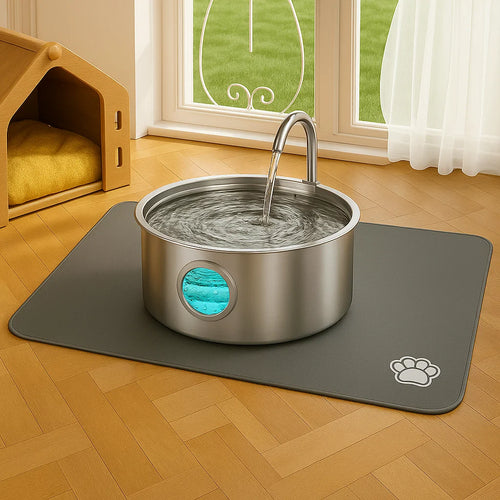
Stainless steel fountains, like those from Pawdrate, offer a premium, hygienic solution that stands up to daily use and makes cleaning a breeze.
Cleaning and Maintenance: Simple Routines for Health
Clean water is only as good as the fountain it’s in. Here’s an easy schedule to follow:
| Task | Frequency |
|---|---|
| Quick Rinse & Refill | Daily |
| Deep Clean (with pet-safe soap) | Weekly |
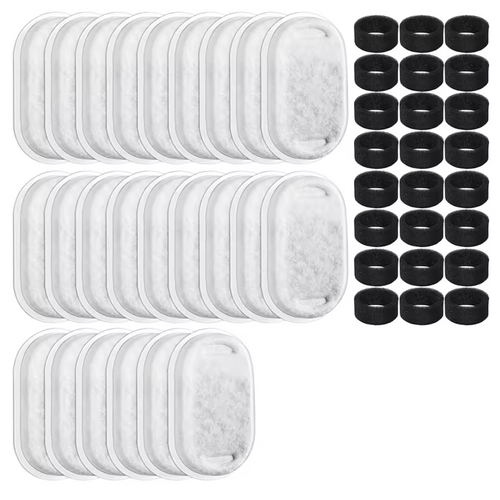
| Filter Replacement | As recommended (often monthly) |
Stainless steel makes deep cleaning simple—no lingering odors, no hidden scratches for bacteria to hide.
Real Results: Everyday Benefits Owners Notice
- "My lab drinks so much more now—and her coat shines!"
- "No more slimy bowls or strange smells. The kitchen feels fresher."
- "Our vet said more water can help prevent urinary problems—and our senior dog seems peppier already."
Thousands of pet parents are discovering the difference a filtered fountain makes—especially when it’s designed for health, hygiene, and ease of use.
Make Hydration a Healthy Habit—Effortlessly
Choosing a premium, stainless steel filtered fountain is a simple way to support your dog’s daily health. Cleaner water. Fewer bacteria. A more inviting way to drink—day after day. If you’d like to explore a solution trusted by caring pet parents and veterinary professionals alike, learn more about the Pawdrate Filtered Water Fountain.
With better hydration, you’re not just filling a bowl—you’re giving your dog the foundation for a longer, healthier life.