


Empathy & Problem Recognition: If you’ve ever wondered if tap water is truly safe for your dog, you’re not alone. Many pet parents assume what’s good for us is fine for our pets—but hidden risks in household water can silently impact their well-being. This guide will help you understand why filtered water is a crucial upgrade for your dog’s daily health—and how simple changes can protect the one you love.
The Hidden Risks in Tap Water for Pets
While U.S. tap water generally meets safety standards for people, dogs have unique sensitivities—and even small amounts of certain contaminants can affect their health. Chlorine, heavy metals like lead, microplastics, and bacteria can all end up in unfiltered tap water. Some municipal systems even contain byproducts from treatment processes. Over time, these substances can burden your dog’s kidneys, irritate the urinary tract, and subtly discourage them from drinking enough.
Common Tap Water Contaminants and Their Risks
| Contaminant | Potential Effects on Dogs |
|---|---|
| Chlorine/Chloramine | Digestive upset, aversion to water taste |
| Lead & Heavy Metals | Kidney/liver strain, developmental issues |
| Microplastics | Unknown, but possible inflammation or toxin exposure |
| Bacteria & Biofilm | GI upset, urinary tract infections |
The Benefits of Filtered Water for Dogs
Filtered water removes many of the unwanted substances above—making every sip safer and more appealing. For dogs, fresh-tasting, contaminant-free water means they’re likely to drink more, which directly supports their overall health:
- Hydration: Well-hydrated dogs have more energy and better temperature regulation.
- Kidney & Urinary Health: Clean water minimizes strain on the kidneys and may reduce risk of stones or infections.
- Skin & Coat: Adequate, clean hydration keeps skin supple and coats shiny.
- Behavior: Dogs prefer the taste and smell of cleaner water, encouraging healthy drinking habits.
How Much Water Does Your Dog Need?
General guidelines suggest most dogs need about 25–50 ml of water per kilogram (11–22 ml/lb) of body weight per day—but actual needs vary by activity, food type, and weather. Filtered, flowing water is often more enticing, helping your dog meet or exceed these targets.
| Dog Weight (lbs) | Daily Intake Range (cups) |
|---|---|
| 10 | ~0.5 – 1 |
| 30 | ~1.5 – 3 |
| 60 | ~3 – 6 |
Tip: If your dog eats mostly wet food, they may drink less. On hot days or after exercise, expect their needs to rise.
Material Matters: Stainless Steel vs. Plastic vs. Ceramic
The vessel your pet drinks from makes a difference. Plastic bowls can develop scratches that harbor bacteria and biofilm. Ceramic is less porous but can crack. Stainless steel is the gold standard—non-porous, easy to sanitize, and highly durable.
| Material | Hygiene | Durability | Biofilm Risk |
|---|---|---|---|
| Plastic | Low (scratches, odors) | Low (warps, stains) | High |
| Ceramic | Medium | Medium (can chip) | Medium |
| Stainless Steel | High (easy to sanitize) | High (long-lasting) | Low |
Stainless-steel fountains not only stay cleaner—they’re also more attractive in a modern home and less likely to harbor bacteria.
Keeping It Clean: How Often Should You Clean Your Dog’s Fountain?
| Task | Recommended Frequency |
|---|---|
| Quick Rinse & Refill | Daily |
| Deep Clean (soap & water, all parts) | Weekly |
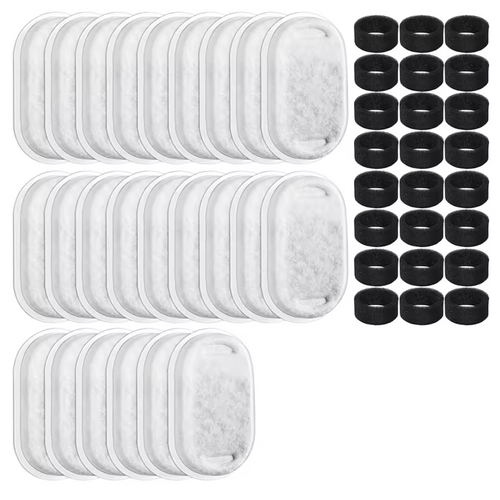
| Filter Replacement | Every 3–4 weeks or as directed |
Stainless steel makes each of these steps easier and more effective—no lingering odors, and no hidden buildup.
Empowering Healthier Habits—One Sip at a Time
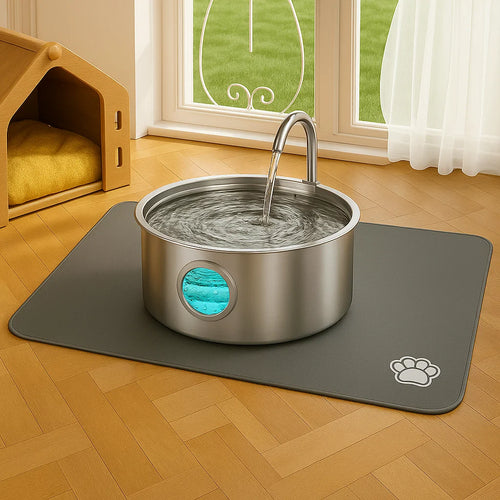
Switching to filtered water—especially with a high-quality, stainless-steel fountain—is a simple way to safeguard your dog’s health and happiness. Flowing, filtered water not only tastes better to pets, but also helps prevent the silent risks of dehydration and bacterial buildup. Curious how a premium fountain could fit your home and routine? See how Pawdrate’s design puts your pet’s health first.
Give your dog the gift of clean, safe water—and enjoy the peace of mind that comes with every bowl.