


Quiet Water Fountains: The Calmer Way to Hydrate Your Best Friend
Ever notice your dog hesitate at their water bowlor even avoid it altogether? If your pet seems uneasy near noisy appliances, you9re not alone. Just like us, dogs value peace in their environment, especially when it comes to something as essential as drinking water. Many pet owners are surprised to learn just how much noise and design can impact hydration habits and even overall wellbeing.
This guide will help you understand why a quiet water fountain for pets isn9t just a luxuryit9s a simple, science-backed way to give your dog a healthier, happier life. You9ll learn what makes a fountain truly quiet, how noise affects hydration, and what to look for in a premium design that9s easy to live with every day.
- Dogs are sensitive to soundnoisy fountains can discourage healthy drinking.
- Stainless-steel and advanced filtration promote hygiene and reduce odors vs. plastic.
- Recommended water intake: 2550 ml per kg body weight daily (general range).
- Regular cleaning keeps fountains quiet and safe for daily use.
- Flowing, filtered water supports kidney, urinary, and skin health.
Why Sound Matters: Dogs and Their Quiet Comfort Zones
Dogs experience the world through their sensesand hearing is among the sharpest. The hum of a loud pump, rattling plastic, or constant sloshing can be stressful for some pets. Sensitive breeds (think: Shelties, Cavaliers, or senior dogs) may be especially put off by unfamiliar or harsh noises, leading to less frequent drinking or even avoidance.
On the flip side, the gentle sound of moving watersoft and barely-therecan be inviting, mimicking natural streams and satisfying a dog9s instinct for fresh, moving water.
Why Choose a Quiet Water Fountain?
- Encourages Consistent Hydration: Dogs are more likely to drink when their water source is calm, clean, and quiet.
- Reduces Household Stress: No more constant hum or splashing in your living spacejust tranquil hydration.
- Better Sleep for All: Especially important for bedrooms or night-time use; a quiet fountain won9t disturb your family or your pet9s rest.
- Promotes Health: Proper hydration supports kidney function, prevents UTIs, and keeps skin and coat healthy.
How Much Water Does Your Dog Need?
Every dog is different, but a common guideline is 2550 milliliters of water per kilogram (about 0.40.8 ounces per pound) of body weight each day. Factors like activity, diet (kibble vs. wet food), and weather will change your dog9s needs. Here9s a helpful table to estimate daily water intake:
| Dog Weight | Daily Water Need (ml) | Daily Water Need (oz) |
|---|---|---|
| 10 lbs (4.5 kg) | 110225 | 3.77.6 |
| 20 lbs (9 kg) | 225450 | 7.615.2 |
| 40 lbs (18 kg) | 450900 | 15.230.4 |
| 60 lbs (27 kg) | 6751,350 | 22.845.6 |
| 80 lbs (36 kg) | 9001,800 | 30.460.8 |
*Always consult your vet if you notice changes in your pet9s drinking habits.
What Makes a Water Fountain Truly Quiet?
Not all pet fountains are created equal. Here9s what affects noise, hygiene, and longevity:
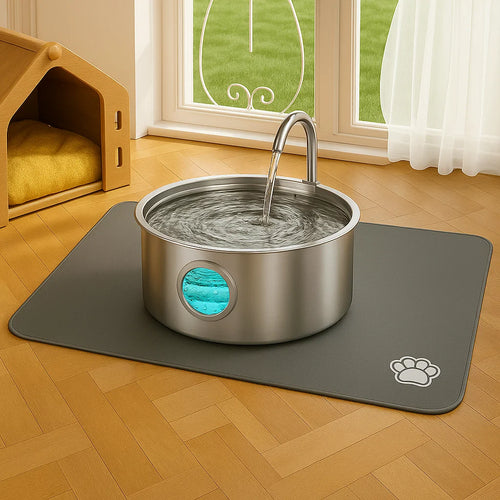
- Material: Stainless steel absorbs less vibration than plastic, reducing rattle and echo. It9s also less prone to harboring bacteria and biofilm, keeping water fresher and safer.
- Pump Quality: Premium, well-sealed pumps produce a gentle hum instead of a buzz or whine. Battery or corded options can offer flexibility based on your space.
- Design: Deep basins, soft water ramps, and anti-splash features keep the fountain calm and nearly silent.
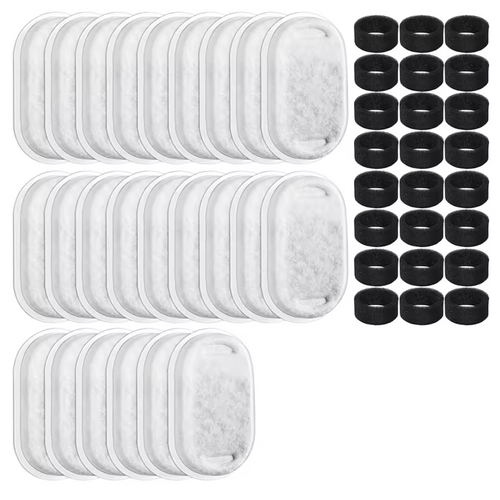
- Filtration: Multi-stage filters not only remove particles but also reduce odors, keeping water appealing and clean.
Material Comparison: Hygiene & Sound
| Material | Noise Level | Hygiene | Durability | Biofilm Risk |
|---|---|---|---|---|
| Stainless Steel | Very Low | Excellent | Excellent | Minimal |
| Ceramic | Low | Good | Good | Moderate |
| Plastic | ModerateHigh | Poor | LowModerate | High |
Keeping Your Fountain Silent & Safe: Cleaning Cadence
Even the quietest fountain needs regular care. Build these habits for the best results:
- Daily: Rinse and top up with fresh water. Check for debris that could cause noise.
- Weekly: Deep-clean all components with gentle soap. Rinse thoroughly to avoid residue (which can cause pump noise and odor).
- Filter: Replace every 24 weeks, or as directed by the manufacturer.
| Task | Frequency |
|---|---|
| Rinse & top up | Daily |
| Deep clean | Weekly |
| Replace filter | 24 weeks |
When to Call the Vet
Creating a Peaceful Hydration Space
Choose a spot in your home away from high-traffic areas, loud appliances, and direct sunlight. A quiet corner helps your dog feel secure, encouraging regular, stress-free drinking.
Why Stainless Steel Flowing Water Fountains Win
Switching to a quiet, stainless-steel water fountain is a subtle upgrade with a big impact. You9ll notice:
- Your dog drinks more willingly, even if they9ve been hesitant before.
- No more buzzing or sloshing disrupting family time or sleep.
- Water that stays fresher, cleaner, and safer all day long.
- Less worry about hidden bacteria or lingering odors.
Ready to experience the difference of calm, clean hydration? See how a Pawdrate Filtered Water Fountain can fit beautifully into your home and support your pet9s health.
Empower Your Dog9s Wellness With Quiet, Clean Water
Every detail matters when it comes to your best friend9s health. By choosing a quality, quiet water fountain, you9re not just making life more peacefulyou9re helping your dog thrive, one sip at a time.
This article is informational and not medical advicealways consult your vet for health concerns.