
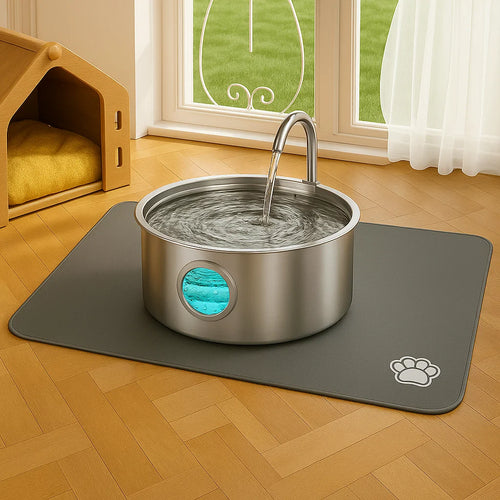


As a caring pet parent, you want to give your dog the healthiest, happiest life possible. Kidney disease is a real concern especially as our dogs age or face chronic conditions. The good news? Many cases are preventable with simple, daily choices. This guide will show you how hydration, bowl hygiene, and smart routines can support your dog's kidneys for years to come.
- Consistent hydration helps kidneys filter toxins and maintain health.
- Stainless steel fountains reduce bacteria, biofilm, and kidney strain.
- Monitor for early signs: increased thirst, fatigue, changes in urination.
- Clean water sources daily; deep clean weekly for best hygiene.
- Always consult your vet if you notice unusual symptoms.
Why Hydration Matters for Kidney Health
The kidneys filter waste, balance electrolytes, and regulate fluids. When dogs dont get enough clean water, their kidneys work harder eventually risking chronic renal disease. Dehydration can happen quietly, especially in busy households or with pets who are picky drinkers.
Understanding Your Dog’s Daily Water Needs
So, how much water does your dog need? A general guideline is 25 50 ml per kilogram (about 0.4 0.8 oz per pound) of body weight each day. Needs increase with heat, activity, or dry food diets.
Daily Water Intake by Weight
| Dog Weight (lbs) | Water Needed (oz/day) | Water Needed (ml/day) |
|---|---|---|
| 10 | 4 8 | 120 240 |
| 25 | 10 20 | 300 600 |
| 50 | 20 40 | 600 1200 |
| 80 | 32 64 | 960 1920 |
Note: Actual needs vary. Puppies, seniors, and dogs with certain health conditions may need more. Ask your vet for precise guidance.
Common Causes of Kidney Strain in Dogs
- Chronic dehydration (often subtle)
- Low moisture diets (kibble vs. wet food)
- Bacterial buildup in dirty water bowls or plastic dishes
- Certain medications and congenital factors
Spot Early Signs of Kidney Trouble
Early intervention can make all the difference. Watch for:
- Drinking more or less than normal
- Changes in frequency or color of urination
- Lethargy, decreased appetite, or vomiting
- Weight loss or poor coat condition
Hygiene Matters: Why Stainless Steel Wins
Materials make a difference. Plastic and porous bowls can harbor bacteria and biofilm, even after washing. Ceramic is better, but can crack and chip. Stainless steel is non porous, resists scratches, and is easy to keep pristine helping reduce kidney stressing infections.
Material Comparison: Water Bowl & Fountain Hygiene
| Material | Hygiene | Durability | Biofilm Risk |
|---|---|---|---|
| Plastic | Low (scratches easily) | Low | High |
| Ceramic | Medium (can chip) | Medium | Medium |
| Stainless Steel | High (non porous) | High | Low |
Keeping Water Clean: A Simple Routine
Even the best water source needs regular care. Here’s an easy schedule to protect your dog’s kidneys and overall health:
Cleaning Cadence for Bowls & Fountains
| Task | Frequency |
|---|---|
| Quick Rinse & Refill | Every Day |
| Deep Clean (hot water & dish soap) | Once Per Week |
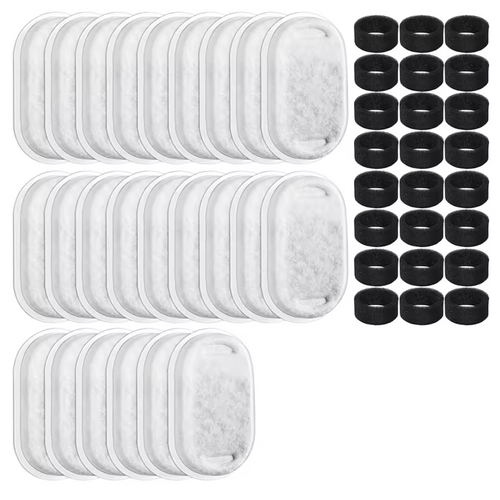
| Filter Replacement (if using a fountain) | Every 3 4 Weeks |
Tip: Set a reminder in your phone for deep cleans and filter changes, just like you would for medication or grooming.
Small Habits, Lifelong Benefits
- Keep fresh water available at all times especially spring through fall, and after play or walks.
- Choose a stainless steel fountain to encourage drinking and reduce infection risks.
- Monitor intake and output; sudden changes are worth a call to your vet.
- Make hydration part of your daily care routine (like meals and walks).
Clean, circulating water supports kidney health for years to come. See how a Pawdrate stainless steel fountain makes hydration easy and appealing, every day.