


Empowering you to give your dog the gift of a longer, healthier lifestarting with every sip.
Why Water Quality for Dogs Is Worth Rethinking
If youve ever worried about the water in your dogs bowlcloudy, slimy, or left untouched by the end of the dayyoure not alone. Many owners feel a twinge of guilt or concern, especially after learning about the hidden risks lurking in unfiltered water, from bacteria to metals and microplastics.
This article will help you understand the importance of filtered water for dogs, what contaminants matter, and how simple changes can support your pets kidneys, skin, and overall vitality. Well cover:
- What filtered water actually removes
- How much water your dog really needs
- Early signs of dehydration and what to watch for
- Best practices for keeping water bowls clean and safe
- Why materials like stainless steel matter
What Does "Filtered Water" Mean for Dogs?
Filtered water for dogs typically refers to water that has passed through a multi-stage filtration system, removing contaminants such as:
- Bacteria and microbial biofilm (linked to upset stomach or more serious illness)
- Dissolved metals (lead, copper, etc.) sometimes present in aging pipes
- Certain chemicals (chlorine, VOCs) that affect taste and long-term health
- Debris, hair, and organic matter that can quickly build up in stagnant bowls
Dogs, like humans, benefit from water that is free from these impurities. Unfiltered water can not only taste worse (leading to lower intake), but also subtly affect organ function, immune health, and skin condition over time.
How Much Water Does Your Dog Need Each Day?
The general guideline for healthy dogs is 2550 milliliters per kilogram of body weight per day (roughly 0.40.8 ounces per pound)but this can vary:
- Puppies, senior dogs, and active breeds may need more frequent hydration.
- Dogs on dry kibble require more water than those who eat wet or raw diets.
- Hot weather, exercise, or illness can increase requirements.
| Dog Weight | Daily Water Minimum | Daily Water Maximum |
|---|---|---|
| 10 lbs (4.5 kg) | 180 ml (6 oz) | 360 ml (12 oz) |
| 25 lbs (11.3 kg) | 450 ml (15 oz) | 900 ml (30 oz) |
| 50 lbs (22.7 kg) | 900 ml (30 oz) | 1800 ml (60 oz) |
| 75 lbs (34 kg) | 1350 ml (45 oz) | 2700 ml (90 oz) |
These ranges are guidelines. Adjust for activity, climate, and diet. Always provide fresh water and consult your vet for specific advice.
Why Dogs Avoid Dirty or Stagnant Bowls
Dogs instinctively prefer clean, moving waterthink of how theyll choose a running stream over a muddy puddle. But in our homes, standing water in plastic or ceramic bowls can develop biofilm (a slimy layer of bacteria and debris) in just one or two days, even if you cant see it.
- Biofilm can cause odor, taste changes, and reduced water intake.
- Certain plastics can scratch and harbor bacteria, making deep cleaning harder and less effective.
- Stainless steel is less porous, resists scratches, and is easier to sanitize thoroughly.
Cleaning & Maintenance: How Often Is Enough?
Cleanliness is as important as filtration. Heres a simple maintenance cadence for dog water fountains and bowls:
| Task | Frequency |
|---|---|
| Quick Rinse / Refill | Daily |
| Deep Clean All Parts | Weekly |
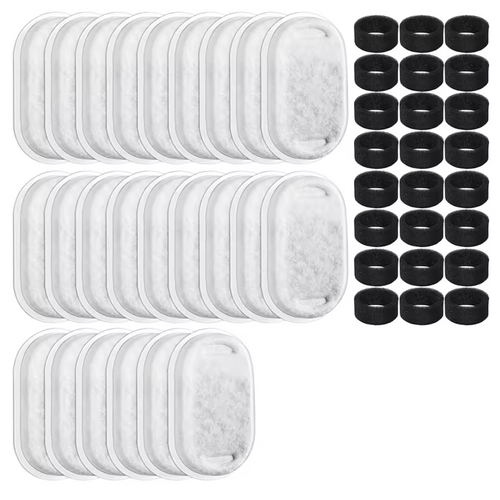
| Replace Filter | Monthly (follow product instructions) |
Rinse with warm, soapy water and avoid harsh abrasives. Stainless steel is dishwasher-safe, making it easy to keep truly clean.
Material Matters: Why Stainless Steel Makes a Difference
| Material | Hygiene | Durability | Biofilm Risk |
|---|---|---|---|
| Stainless steel | Excellent | High | Low |
| Plastic | PoorFair (scratches trap bacteria) | Low (can warp/crack) | High |
| Ceramic | FairGood (can chip/glaze wear) | Medium | Medium |
Stainless steel minimizes bacteria buildup, wont leach chemicals, and stands up to years of daily cleaning.
Building Healthier Habits With Flowing, Filtered Water
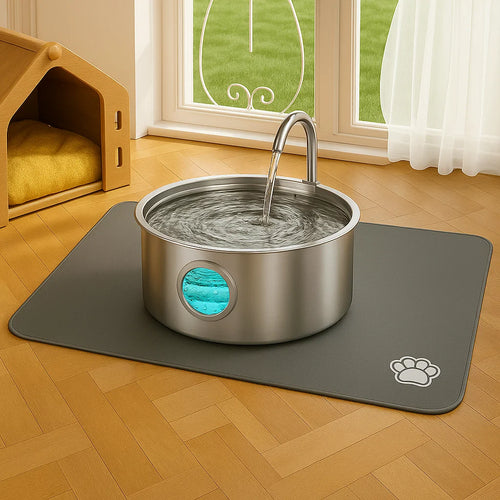
Switching to filtered, circulating water isnt just about cleanlinessits about making hydration more appealing and supporting your dogs long-term health. A stainless-steel fountain, like Pawdrates filtered water fountain, helps keep water fresh and safe, encourages more frequent drinking, and is easy to keep spotless.
Over time, you may notice subtle but important benefits: more energy, healthier skin and coat, and peace of mind knowing youre reducing risks you cant always see. For pet parents who treat dogs like family, its a small change that can make daily life betterfor both of you.