


When the temperature drops, it’s easy to assume your dog’s hydration needs do too. But winter dehydration is a real—and often overlooked—risk for our canine companions. If you’ve ever wondered why your dog seems less energetic or their skin feels dry in the colder months, you’re not alone. In this guide, we’ll explore why hydration is just as important in winter, how to recognize subtle signs of dehydration, and practical steps to keep your dog healthy and thriving all season long.
- Heated homes and dry winter air can increase your dog’s water needs—even if they seem less thirsty.
- Subtle signs like dry gums, lethargy, and less urination may be early clues of dehydration.
- Dogs need about 25–50 ml of water per kg body weight daily, regardless of season (adjust for activity and diet).
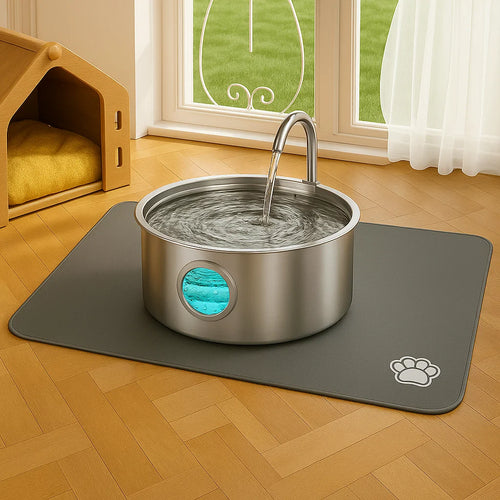
- Stainless-steel, circulating fountains help prevent bacteria buildup, making winter hydration safer and easier.
- If you notice persistent symptoms, consult your veterinarian promptly.
Why Do Dogs Get Dehydrated in Winter?
Unlike the heat of summer, cold weather is rarely associated with dehydration. But several winter factors make adequate hydration just as critical:
- Dry Indoor Air: Central heating removes moisture, leading to increased evaporation from your dog’s skin and respiratory tract.
- Less Obvious Thirst: Dogs may not feel as thirsty when it’s cold, even as their bodies lose water.
- Reduced Activity: Fewer outdoor walks and play sessions mean less panting—but also less drinking.
- Frozen or Stale Water: Bowls left outside can freeze, and standing water indoors can become less appealing or collect bacteria.
How Much Water Does Your Dog Need in Winter?
The general guideline is 25–50 ml of water per kilogram (about 0.5–1.0 oz per pound) of body weight per day. This covers both summer and winter, but:
- Active dogs, puppies, seniors, and large breeds may need more.
- Dogs fed mostly dry kibble require extra water compared to those on wet food.
- Cold air and indoor heating can increase water loss through breathing and skin.
Daily Water Intake by Weight
| Dog Weight | Min Daily Intake | Max Daily Intake |
|---|---|---|
| 10 lbs (4.5 kg) | 9 oz (270 ml) | 18 oz (540 ml) |
| 25 lbs (11 kg) | 19 oz (480 ml) | 38 oz (950 ml) |
| 50 lbs (23 kg) | 38 oz (950 ml) | 76 oz (1.9 L) |
| 75 lbs (34 kg) | 64 oz (1.9 L) | 128 oz (3.8 L) |
These are general guidelines. Adjust for your dog’s health, diet, and activity, and always consult your vet for individual recommendations.
Subtle Signs of Winter Dehydration
Dehydration isn’t always obvious—especially in winter. Watch for these signs, ranging from early to more serious:
- Mild: Less interest in water, slightly tacky gums, reduced playfulness, mild lethargy.
- Moderate: Noticeably dry nose or gums, sunken eyes, loss of skin elasticity (slow skin tent when gently pulled).
- Severe: Panting, rapid heart rate, weakness, vomiting, collapse. These are urgent and require immediate veterinary care.
Winter Hydration Challenges: Why Fountains and Materials Matter
In winter, standing water is more likely to go stale or develop bacteria—especially in warm, dry homes. Plastic bowls can develop micro-scratches that harbor biofilm, while ceramic can chip or crack in cold snaps. Stainless steel remains the most hygienic, easy-to-clean choice, and won’t absorb odors or bacteria.
| Material | Hygiene | Durability | Biofilm Risk |
|---|---|---|---|
| Stainless Steel | Excellent | High (won’t crack in cold) | Very Low |
| Plastic | Poor | Scratches easily | High |
| Ceramic | Good | Prone to chipping/cracking | Moderate |
Winter Cleaning Routine for Best Health
| Task | Frequency |
|---|---|
| Quick Rinse & Water Refill | Daily |
| Deep Clean with Soap/Brush | Weekly |
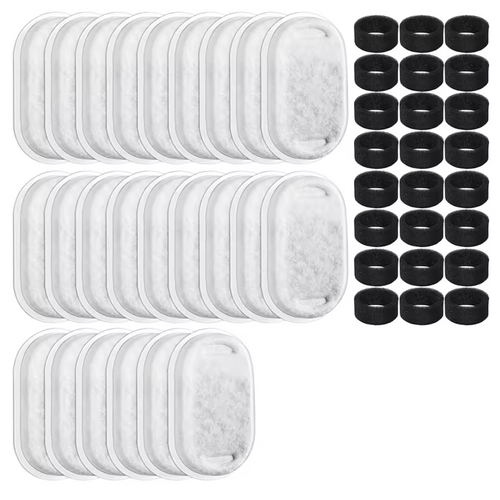
| Filter Replacement | As directed (typically 4–8 weeks) |
Tip: In winter, check water more often as indoor heating can cause faster evaporation.
Making Winter Hydration Easy—and Appealing
- Keep water bowls indoors in a warm, accessible spot, away from direct heat sources.
- Offer fresh, circulating water—dogs are naturally drawn to moving water (think streams, not puddles).
- Clean bowls and fountains as recommended to prevent bacterial growth.
- Monitor your dog’s intake; some fountains even help you track water use.
- Add a splash of low-sodium broth for picky drinkers (check with your vet first).
Clean, flowing water is one of the simplest ways to protect your dog's health through every season. Our Pawdrate Filtered Water Fountain uses premium stainless steel and advanced filtration to help make hydration convenient and safe—even in winter.
Takeaway: Your Dog’s Best Winter Starts With a Full Bowl
Hydration doesn’t hibernate. By staying mindful of your dog’s water needs—and choosing safe, hygienic options—you can help prevent subtle but serious risks of winter dehydration. Every fresh sip is a step toward a longer, healthier life together.