

Every dog is unique, but one thing they all share: a real need for proper hydration. If you’ve ever wondered whether feeding wet food or dry kibble makes a difference in how much water your dog needs, you’re not alone. Many caring pet parents make thoughtful choices about diet—but don’t always realize how each meal affects a dog’s daily water requirements, energy, and long-term health.
This guide will help you understand the science behind food moisture, what this means for your dog’s health, and how to create simple, lasting hydration habits. Whether you feed canned, dry, or a mix, you’ll find practical tools, safety advice, and caring guidance to support your best friend’s well-being.
- Wet food contains 70–85% water; dry kibble contains 8–12% water.
- Dogs on dry diets need to drink more water to stay hydrated.
- Daily water intake target: 25–50 ml/kg (0.4–0.8 oz/lb) body weight—adjust for diet, activity, and climate.
- Watch for subtle dehydration signs: fatigue, tacky gums, sunken eyes, reduced appetite.
- Clean water bowls/fountains daily; choose stainless steel for best hygiene and durability.
Why Food Type Affects Hydration
It’s easy to overlook, but the water content in your dog’s food can dramatically impact how much extra water they need each day. Wet foods (like canned or pouch varieties) are made up of 70–85% water, while dry kibble averages just 8–12% moisture. This means a kibble-fed dog relies much more on their water bowl or fountain to get adequate fluids, compared to a dog eating wet food.
Think of it like eating crackers versus soup: one leaves you parched, the other delivers hydration with every bite.
How Much Water Does Your Dog Need?
General recommendations for healthy adult dogs are:
- 25–50 ml water per kg body weight per day (roughly 0.4–0.8 oz per pound)
- More if active, living in hot climates, or eating dry food exclusively
Use the table below to estimate your dog’s daily baseline. Remember, individual needs vary—always watch your dog’s habits and check with your vet for personalized advice.
| Dog Weight | Min–Max Water (ml) | Min–Max Water (cups) |
|---|---|---|
| 10 lbs (4.5 kg) | 113–225 | 0.5–1 |
| 25 lbs (11.3 kg) | 282–563 | 1.2–2.4 |
| 50 lbs (22.7 kg) | 567–1,135 | 2.4–4.8 |
| 75 lbs (34 kg) | 850–1,700 | 3.6–7.2 |
*If your dog eats mostly wet food, their drinking need may be at the lower end; dry kibble, aim for the upper end.
Recognizing Dehydration: Subtle to Serious
- Mild: Less interest in play, slightly tacky gums, reduced appetite
- Moderate: Sunken eyes, dry nose, more noticeable lethargy, slower skin "tenting"
- Severe: Collapse, vomiting, rapid heart rate, refusal to eat or drink—requires immediate veterinary care
Early signs can be subtle, especially in older dogs or those who are picky drinkers. Keeping fresh, appealing water always available is your best prevention.
How Food Moisture Changes Drinking Habits
Wet Food
- High water content (70–85%)
- May result in your dog drinking less from the bowl/fountain
- Still important to offer fresh water at all times
Dry Kibble
- Low water content (8–12%)
- Dogs must drink more to compensate
- Higher risk of subtle dehydration if water is unappealing or not replaced often
Practical Hydration Calculator
*Calculator is an estimate. Track your dog’s actual drinking and consult your vet for personalized advice.
Keeping Water Clean: Why Bowl and Material Matter
| Material | Hygiene | Durability | Biofilm Risk | Ease of Cleaning |
|---|---|---|---|---|
| Stainless Steel | Excellent | High | Low | Very Easy |
| Plastic | Poor | Low | High | Scratches trap bacteria |
| Ceramic | Good (if glazed) | Medium | Medium | Moderate |
Stainless steel is the gold standard: non-porous, resists bacteria buildup, and is dishwasher-safe for everyday cleaning. For both wet- and dry-fed dogs, a clean, high-quality water source is essential—especially since subtle contamination can deter drinking.
Cleaning Routine for Healthier Hydration
| Task | Frequency |
|---|---|
| Quick Rinse with Hot Water | Daily |
| Deep Wash with Soap | Weekly |
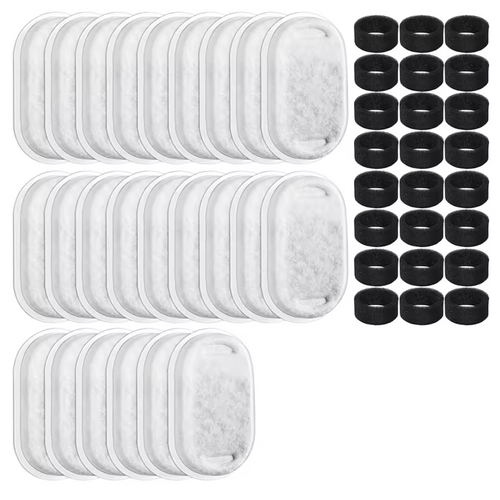
| Filter Replacement | As recommended (typically monthly) |
Make cleaning part of your daily routine to keep water appealing and safe.
Building Better Hydration Habits—Gently
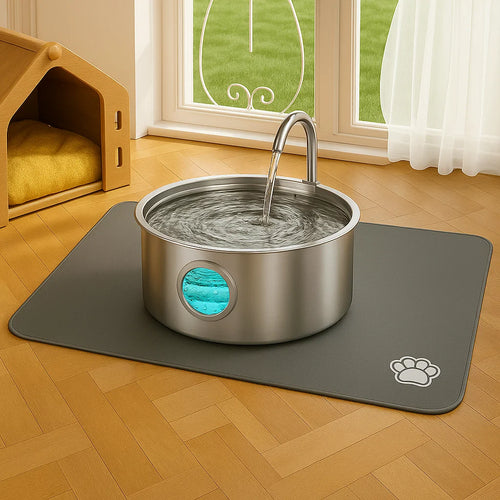
Your dog’s diet is just one piece of the hydration puzzle. The real secret? Making water fresh, flowing, and easy to access—especially for dogs on dry kibble, seniors, or those who are picky drinkers. A stainless-steel, filtered fountain like Pawdrate’s can make all the difference: circulating water is naturally more appealing, resists bacteria, and requires less scrubbing than plastic or ceramic bowls.
Empowering Takeaway
You know your dog best. By understanding how food type affects hydration and making water a top priority, you’re giving the gift of health—one drink at a time. Whether your dog is a chowhound or a finicky sipper, every clean bowl and fresh refill is an act of love.