


As a dog parent, you want to do everything you can to support your pup’s health—and that often means looking for the best ways to keep them hydrated. Maybe you’ve wondered about those water additives at the pet store: dental rinses, flavor boosters, vitamin drops. Could they make your dog’s water healthier? Or could they cause more harm than good?
This article will walk you through the facts about water additives for dogs—their safety, benefits, risks, and the best path to healthy hydration for your four-legged family member.
What Are Water Additives for Dogs?
Water additives are liquids or powders you add to your dog’s drinking water. Common types include:
- Dental rinses: Designed to reduce plaque and freshen breath.
- Flavor enhancers: Chicken, beef, or bacon flavor to tempt picky drinkers.
- Vitamins/supplements: Claims to boost skin, coat, or joint health.
The idea is simple: make water more appealing or add health benefits. But is it necessary—or even safe?
Are Water Additives Safe for Dogs?
Some additives can be safe, while others pose risks. Here’s what to consider:
- Ingredients: Always check for xylitol (toxic to dogs), artificial sweeteners, high sodium, food dyes, or alcohol.
- Intended use: Dental rinses with chlorhexidine or zinc gluconate are generally safe in small doses, but excessive use may cause stomach upset.
- Underlying health conditions: Dogs with kidney, liver, or heart disease should not get additives without veterinary guidance.
- Behavioral changes: Some dogs may drink less if the water smells or tastes odd.
The truth? Most healthy dogs get all the hydration they need from clean, fresh water. Additives may be helpful for specific medical or dental needs—but they’re not a universal fix.
Common Water Additive Ingredients: Safety Overview
| Ingredient | Purpose | Generally Safe? | Watch for... |
|---|---|---|---|
| Chlorhexidine | Dental Health | Yes (small doses) | GI upset with overuse |
| Zinc Gluconate | Dental Health | Yes (with vet approval) | Stomach upset if sensitive |
| Xylitol | Sweetener | Never | Highly toxic |
| Artificial Flavors/Dyes | Flavor/Color | Best avoided | Allergic reactions |
| Sodium Bicarbonate | pH Balance | Usually | Not for heart/kidney issues |
| Herbal Extracts | Freshen Breath | Depends | Allergies possible |
Note: This table is a general guide. Always check with your veterinarian before adding anything new to your dog’s water.
Material Matters: Additives and Dog Water Fountains
The material of your dog’s water bowl or fountain plays a big role in safety and cleanliness—especially if you use additives. Here’s why:
- Stainless steel: Non-porous, resists bacteria, and doesn’t absorb odors or residue from additives. Easy to clean and sanitize.
- Plastic: Porous, prone to scratches that trap bacteria and biofilm—especially when additives are used repeatedly. Can absorb flavors and odors, leading to reduced drinking.
- Ceramic: Less porous than plastic, but can chip and harbor bacteria if not glazed perfectly.
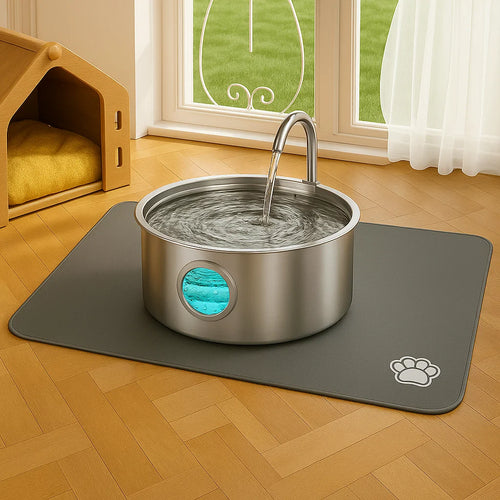
For dogs using water additives, stainless-steel fountains like Pawdrate’s filtered fountain help keep water cleaner, reduce residue buildup, and minimize the risk of bacterial contamination. Plus, they’re easy to deep-clean—an essential if you add anything to your dog’s water.
Cleaning Cadence: How Often to Clean (With and Without Additives)
| Task | No Additives | With Additives |
|---|---|---|
| Rinse Fountain/Bowl | Daily | Daily |
| Deep Clean (Soap/Water) | 1x/week | 2x/week |
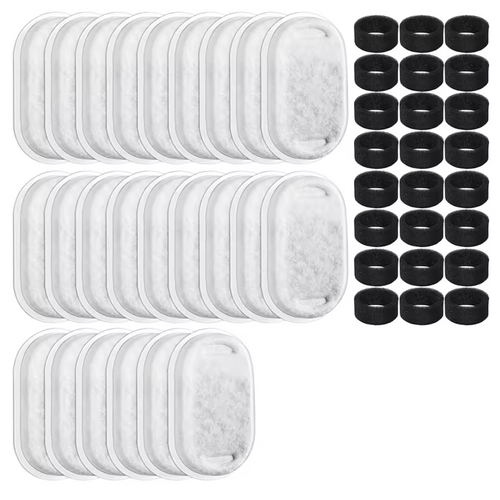
| Replace Filter | Monthly | Every 2-3 weeks |
Tip: Always use a fountain or bowl that’s dishwasher safe (like stainless steel) for thorough cleaning, especially if you use additives regularly.
How Much Water Should My Dog Drink?
Before adding anything to your dog’s water, make sure they’re drinking enough in the first place! Here’s a handy guideline:
| Dog Weight | Recommended Daily Water Intake |
|---|---|
| 10 lbs (4.5 kg) | 8–17 oz (250–500 ml) |
| 25 lbs (11 kg) | 17–37 oz (500–1100 ml) |
| 50 lbs (23 kg) | 33–67 oz (1000–2000 ml) |
| 80 lbs (36 kg) | 53–107 oz (1600–3200 ml) |
General rule: 25–50 ml per kg (½–1 oz per lb) per day, but amounts can vary by activity, diet, and season. Always have fresh water available.
Do Dogs Really Need Water Additives?
For most dogs, nothing beats clean, filtered water. If you’re worried about dental health, hydration, or picky drinking, consider:
- Brushing your dog’s teeth or using dental chews for oral health
- Offering flowing water from a stainless-steel fountain to encourage drinking
- Ensuring bowls and fountains are cleaned and filters replaced regularly
Additives can play a role for some pets under veterinary guidance, but they aren’t a substitute for the essentials of healthy hydration.
Give Your Dog the Gift of Pure Hydration
If you want the absolute best for your dog, focus on providing pure, fresh, flowing water every day. Stainless-steel fountains with advanced filtration—like Pawdrate’s filtered water fountain—help keep water clean, reduce bacteria, and make drinking more inviting. For most dogs, that’s the healthiest foundation you can provide.
Remember: Your dog trusts you to keep their water safe and delicious. When in doubt, keep it simple, keep it flowing, and keep it clean.