


As dog parents, we want our companions to enjoy every day to the fullest. But even the most devoted owners often overlook one silent threat: dehydration. Whether you’re worried about summer heat, a picky drinker, or just want to give your dog the healthiest life, vet-backed hydration guidance can make all the difference.
This article will walk you through practical, veterinarian-approved ways to keep your dog well-hydrated, recognize trouble early, and set up habits for lifelong health. We’ll also break down how to calculate your dog’s daily water needs, cleaning routines, and why the right fountain can support your vet’s best advice.
Why Hydration Matters: Vet Insights
Proper hydration supports every part of your dog’s health, from kidney function and digestion to energy levels and a glossy coat. According to veterinarians, even mild dehydration can impact mood, recovery from exercise, and immune health. Chronic low water intake is linked to increased risk of urinary tract infections, kidney stones, and even overheating during play.
Dogs are often less sensitive to thirst than humans, and may not seek water until they’re already mildly dehydrated. That’s why proactive habits are key.
How Much Water Does Your Dog Need? (Calculator/Table)
As a general rule, healthy adult dogs need 25–50 ml of water per kilogram of body weight daily. That’s about 0.4–0.8 ounces per pound. Puppies, seniors, active dogs, and those on dry food need more.
| Dog Weight | Min. (ml/day) | Max. (ml/day) | Min. (oz/day) | Max. (oz/day) |
|---|---|---|---|---|
| 10 lbs (4.5 kg) | 112 | 225 | 3.8 | 7.6 |
| 25 lbs (11 kg) | 275 | 550 | 9.3 | 18.6 |
| 50 lbs (23 kg) | 575 | 1,150 | 19.4 | 38.9 |
| 75 lbs (34 kg) | 850 | 1,700 | 28.7 | 57.5 |
| 100 lbs (45 kg) | 1,125 | 2,250 | 38.0 | 76.0 |
Tip: Dogs on dry kibble, hot weather, or high activity need to be closer to the upper range. Always check with your vet if your dog has medical needs.
Vet-Approved Hydration Tips for Every Dog Parent
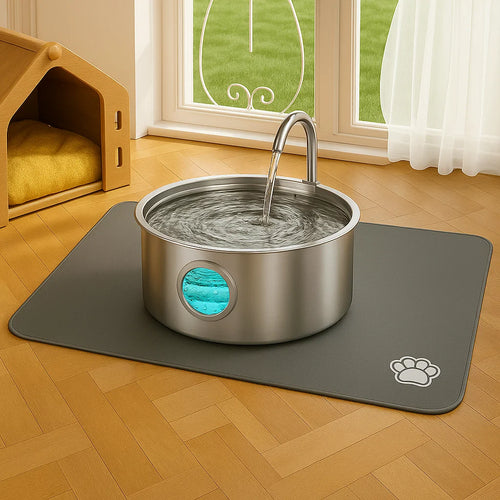
- Make Water Appealing – Dogs prefer fresh, cool, and moving water. Pet-safe fountains mimic running streams, encouraging instinctive drinking.
- Choose the Right Bowl Material – Vets recommend stainless steel over plastic or ceramic for hygiene. Stainless resists scratches that harbor bacteria and is easy to sanitize.
- Keep Water Accessible – Place water stations in multiple spots, especially for seniors or dogs with mobility issues.
- Monitor Intake – Use a measuring cup or note water levels. Sudden changes may signal health issues.
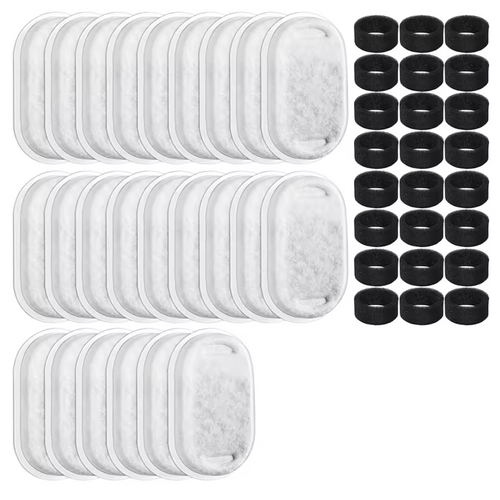
- Clean Regularly – Biofilm and slime can form fast. Rinse bowls daily, deep clean weekly, and replace filters as needed.
- Encourage After Exercise – Reward your dog for drinking after walks or play, especially in warm weather.
- Flavor for Fussy Drinkers – Add a splash of low-sodium broth or ice cubes for picky pups (ask your vet first).
Cleaning Cadence: Vet-Backed Routine
| Task | Frequency |
|---|---|
| Rinse fountain/bowl | Daily |
| Deep clean (soap & water) | Weekly |
| Replace filter (if applicable) | Every 2–4 weeks |
Recognizing Dehydration: What Vets Look For
- Mild: Lethargy, sticky gums, slightly sunken eyes, dry nose
- Moderate: Loss of skin elasticity (pinch test), heavy panting, dark urine
- Severe: Collapse, vomiting, refusal to eat/drink, rapid heartbeat — seek emergency care immediately
Material Matters: Why Vets Prefer Stainless Steel
| Material | Hygiene | Durability | Biofilm Risk |
|---|---|---|---|
| Stainless Steel | Excellent | High | Low |
| Plastic | Poor (scratches easily) | Moderate | High |
| Ceramic | Good (if intact) | Moderate (can chip) | Medium |
Veterinarians recommend stainless steel for its non-porous, easy-to-clean surface. Plastic can develop micro-scratches that harbor bacteria, and ceramic can crack, making thorough cleaning a challenge.
Building Hydration Habits for Life
Consistency is key. Try setting reminders to refresh water, observe your dog’s drinking patterns, and watch for subtle changes. Many owners find that circulating, filtered water fountains encourage dogs to drink more—mirroring the natural preference for running water in the wild. This can be especially helpful for large breeds, active dogs, and those prone to urinary issues.
If you’re curious how a premium, stainless-steel, filtered fountain can simplify clean water and support your vet’s hydration guidance, explore our Pawdrate Filtered Water Fountain.