


Many dog owners want only the best for their furry family members—especially when it comes to daily health basics like hydration. With the rise of high-tech water fountains featuring UV sterilization, you might wonder if this next-level feature is truly necessary, or just a shiny add-on. Let’s explore how UV sterilization works in pet fountains, its real-world benefits and concerns, and what matters most for your dog’s hydration and health.
This article is here to help you make a confident, informed decision that prioritizes your dog’s well-being—no tech anxiety or sales hype, just facts and caring guidance.
What Is UV Sterilization in Pet Water Fountains?
UV (ultraviolet) sterilization uses a specialized light inside the fountain to help kill or inactivate bacteria, viruses, and some protozoa. This same principle is used in some hospital and municipal water treatments. In pet fountains, the UV light shines within a small chamber, treating the water as it circulates.
Unlike carbon and multi-stage mechanical filters, UV light does not physically remove particles or organic debris—it just targets microbes that pass through the beam. That means dirt, fur, and slime (biofilm) still need to be filtered out or cleaned physically.
How Effective Is UV Sterilization for Dogs?
- Reduces Bacteria and Viruses: UV can destroy many common germs found in standing water, potentially reducing risk of waterborne illness.
- No Impact on Taste or Odor: UV does not typically change the taste or smell of water.
- Needs Maintenance: UV bulbs lose strength over time and must be replaced per manufacturer guidelines (often every 6–12 months).
Comparing UV, Filtration, and Fountain Materials
Material Hygiene: Stainless Steel vs. Plastic vs. Ceramic
| Material | Hygiene | Durability | Biofilm Risk |
|---|---|---|---|
| Stainless Steel | Excellent (non-porous, resists bacteria) | High (rust/corrosion resistant) | Low |
| Ceramic | Good (if glaze intact) | Moderate (can chip/crack) | Medium |
| Plastic | Poor (can scratch, harbor germs) | Low (scratches, stains easily) | High |
Even with UV, a plastic bowl may still develop slimy biofilm or harbor bacteria in scratches. Stainless steel is the gold standard for both hygiene and longevity.
Filtration vs. UV: Do You Need Both?
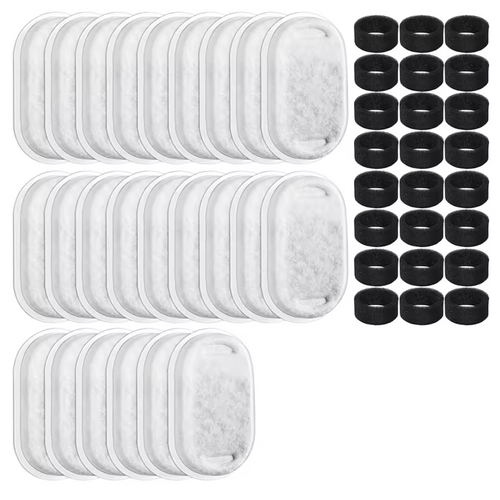
- High-quality multi-stage filtration (mechanical + activated carbon + fine mesh) is essential for removing hair, debris, and chemical contaminants.
- UV sterilization can provide an added layer of microbe protection, but is not a substitute for everyday cleaning or filtration.
- For most healthy dogs, flowing water with robust filtration and stainless-steel construction is sufficient to keep water clean, clear, and appealing.
Daily Water Needs: How Much Should Your Dog Drink?
Adequate hydration is the foundation of kidney health, energy, and even a glossy coat. Here’s a quick guide to daily water requirements:
| Dog Weight | Recommended Daily Water Intake |
|---|---|
| 10 lbs (4.5 kg) | ~8.5–17 oz (250–500 ml) |
| 25 lbs (11.3 kg) | ~21–42 oz (600–1,250 ml) |
| 50 lbs (22.7 kg) | ~42–84 oz (1,250–2,500 ml) |
| 75 lbs (34 kg) | ~63–126 oz (1,850–3,700 ml) |
Pro Tip: Dogs on dry kibble or with higher activity levels may need water at the upper end of these ranges. Always follow your veterinarian’s recommendations for your dog’s specific needs.
Cleaning and Maintenance: The Key to Safe Water
Whether your fountain uses UV or not, regular cleaning is non-negotiable. Here’s a suggested routine for optimal hygiene and performance:
| Task | Frequency |
|---|---|
| Rinse and refill bowl/reservoir | Daily |
| Wash all surfaces (soap + water) | Weekly |
| Replace filter | Per manufacturer (usually monthly) |
| Replace UV bulb (if present) | Every 6–12 months |
Stainless steel fountains are easier to clean thoroughly and resist the buildup of bacteria and biofilm, unlike plastic models which can develop invisible micro-scratches.
Is UV Sterilization Right for Your Dog?
For most healthy dogs in a typical home, a high-quality, stainless-steel, filtered water fountain provides all the hygiene benefits your dog needs—without the extra complexity or maintenance of UV. UV may be helpful in multi-pet households, for immunocompromised pets, or in areas with known water quality concerns, but it is not a magic bullet.
What matters most is:
- Fresh, circulating water (encourages more drinking and prevents stagnation).
- Non-porous, easy-to-clean materials (like stainless steel).
- Reliable multi-stage filtration.
- Consistent maintenance and cleaning habits.
Building Better Hydration Habits—Simply
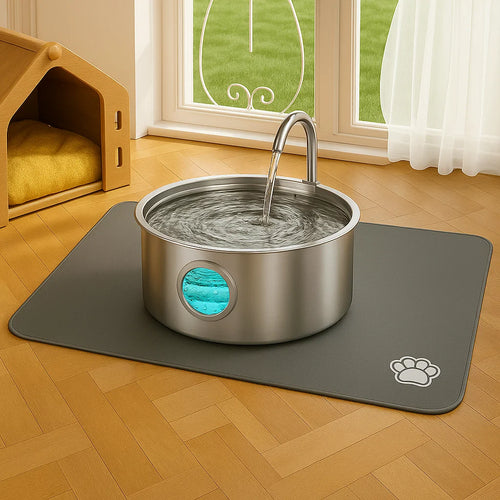
Modern pet parents have so many options, and it’s easy to feel overwhelmed by tech features. The good news is, you can support your dog’s long, healthy life with a simple daily routine and a well-designed fountain—no UV required. Flowing, filtered water in a hygienic stainless-steel bowl keeps your dog’s water fresher, cleaner, and more inviting, every single day.
If you’re ready to upgrade your dog’s hydration with an easy-to-clean, premium stainless steel fountain, learn more about the Pawdrate Filtered Water Fountain here.