

Your dog is family—and when something changes in their routine, it can be worrying. Urinary tract infections (UTIs) are more common in dogs than many owners realize, and their early signs are often subtle. If you've noticed your dog having accidents, straining to urinate, or just acting off, you're not alone. In this guide, you'll learn how to spot the signs of UTIs in dogs, understand the role hydration plays, and what you can do at home to support your pup’s comfort and health.
- UTIs cause discomfort, increased accidents, and sometimes serious health risks if left untreated.
- Early signs include frequent urination, straining, and licking the genital area.
- Hydration is crucial—clean, fresh water helps maintain urinary tract health and reduces infection risk.
- Regular cleaning of your dog's water source and choosing hygienic materials matter.
- If you see blood in urine, pain, or major behavior changes, call your vet promptly.
Understanding UTIs in Dogs: Why They Happen
A urinary tract infection happens when bacteria enter the bladder or urinary tract, causing inflammation and discomfort. Dogs of any age or size can be affected, but females, seniors, and dogs with underlying medical conditions are more prone. Risk factors include inadequate hydration, poor water bowl hygiene, and infrequent bathroom breaks.
Early, Moderate, and Severe Signs of UTI in Dogs
Early Signs
- Frequent urination (asking to go outside more, small puddles in the house)
- Straining or taking longer to urinate
- Licking around the urinary opening
- Mild discomfort or restlessness
Moderate Signs
- Accidents indoors, even if previously house-trained
- Strong-smelling or cloudy urine
- Bloody or pink-tinged urine
- Decreased appetite or mild lethargy
Severe Signs (Time to Call the Vet)
- Obvious pain when urinating (whining, yelping)
- Complete inability to urinate (emergency!)
- Vomiting, significant lethargy, or collapse
- High fever
Not every dog will show all these signs, and some may be subtle. Trust your instincts—if you notice changes in bathroom habits, always keep your vet in the loop.
The Role of Hydration in Preventing UTIs
Clean, abundant water helps flush bacteria from the urinary tract. When dogs drink less or their water is stale, bacteria have more opportunity to multiply. Dehydration concentrates urine, making infections more likely and urination more uncomfortable.
Dogs fed mostly dry food are at higher risk; canned diets provide more moisture, but fresh water is always essential.
Daily Water Intake by Weight
| Dog Weight (lbs) | Dog Weight (kg) | Daily Water (oz) | Daily Water (ml) |
|---|---|---|---|
| 10 | 4.5 | 13–17 | 390–500 |
| 25 | 11.3 | 32–43 | 950–1275 |
| 50 | 22.7 | 64–85 | 1900–2500 |
| 75 | 34 | 96–128 | 2850–3800 |
How Water Hygiene Influences UTI Risk
Bacterial growth thrives in standing or unclean water bowls. Materials matter—plastic can develop micro-scratches that harbor bacteria, while stainless-steel is easy to sanitize and resists biofilm buildup. Clean water and a clean vessel are foundational for urinary health.
Cleaning Cadence & Material Comparison
| Material | Biofilm Risk | Durability | Ease of Cleaning |
|---|---|---|---|
| Stainless Steel | Low | High | Easy (dishwasher safe) |
| Ceramic | Moderate | Moderate (may chip) | Easy (if glazed) |
| Plastic | High | Low (scratches easily) | Challenging (scratches trap bacteria) |
- Daily: Rinse and refill.
- Weekly: Deep clean (hot soapy water or dishwasher for stainless steel).
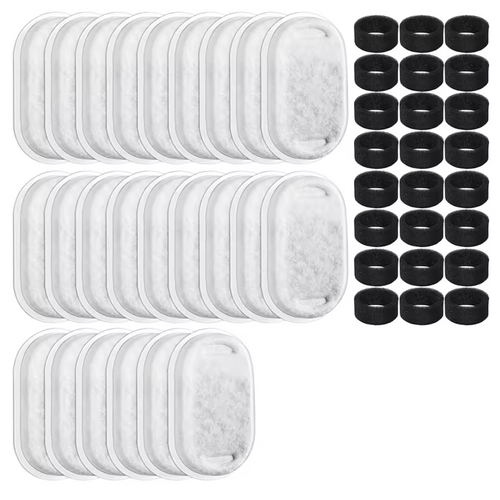
- Fountains: Change filters as recommended (usually every 2–4 weeks).
When to Call the Vet: UTI Safety Sidebar
Supporting Your Dog’s Urinary Health at Home
- Encourage regular bathroom breaks, especially for senior and female dogs.
- Provide clean, cool water in a stainless-steel or ceramic vessel—avoid plastic bowls.
- Keep water moving and filtered if possible to discourage bacterial growth.
- Monitor for signs of discomfort—early intervention leads to better outcomes.
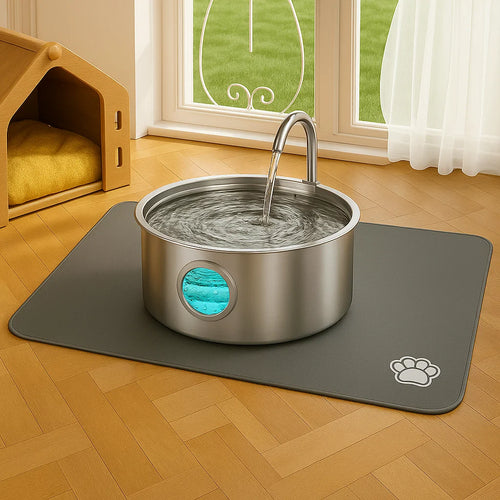
Small changes—like switching to a flowing, filtered stainless-steel fountain—can help support urinary health, especially if your dog is prone to UTIs. Learn more about how a clean water source can make a difference: Pawdrate Filtered Water Fountain.