


Caring for a senior dog means noticing subtle changes—and one of the most important but overlooked is hydration. If your aging companion seems lethargic or just "not themselves," dehydration could be part of the picture. In this guide, we'll help you spot dehydration in senior dogs, calculate their water needs, and create routines that support longer, healthier lives.
- Senior dogs are at higher risk of dehydration due to age-related changes.
- Look for subtle signs: dry gums, tiredness, or less interest in drinking.
- Most dogs need 25–50 ml of water per kg (about 0.4–0.8 oz/lb) each day—adjust for age and health.
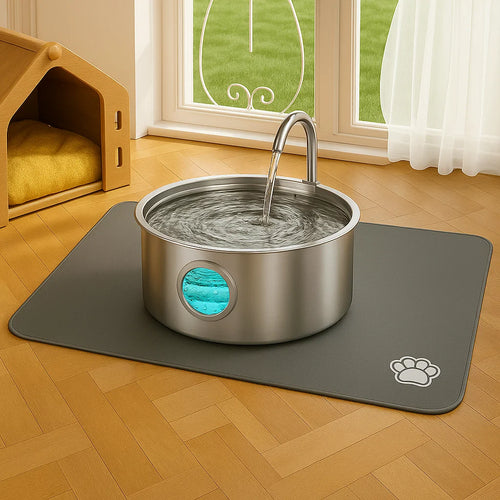
- Stainless-steel fountains help keep water fresh and free of bacteria, especially for seniors.
- When in doubt, consult your veterinarian—chronic dehydration can worsen health issues.
Why Senior Dogs Need Extra Hydration Care
As dogs age, their bodies change. The thirst drive often dulls, and chronic conditions or medications can further increase dehydration risk. Older dogs may also have reduced mobility, making trips to the water bowl less frequent. These small differences add up—hydration affects everything from kidney function and digestion to skin health and energy.
Key reasons seniors are at higher risk:
- Weaker thirst response: Older dogs may not feel thirsty even when their body needs water.
- Chronic conditions: Kidney disease, diabetes, and Cushing’s can increase water loss or alter water needs.
- Medication side effects: Some drugs (like diuretics or steroids) can cause extra fluid loss.
- Mobility challenges: Arthritis or weakness makes it harder to reach the bowl, especially if it’s not easily accessible.
How Much Water Does Your Senior Dog Need?
While needs vary, a good general guideline is 25–50 ml per kg of body weight per day (about 0.4–0.8 oz per lb). Factors like diet (dry vs wet food), activity, weather, and health conditions can change this amount. For senior dogs, err on the side of the higher end and monitor intake.
| Dog Weight (lbs) | Dog Weight (kg) | Min Intake (oz/day) | Max Intake (oz/day) |
|---|---|---|---|
| 10 | 4.5 | 4 | 8 |
| 25 | 11.3 | 10 | 20 |
| 50 | 22.7 | 20 | 40 |
| 75 | 34 | 30 | 60 |
| 100 | 45.4 | 40 | 80 |
Spotting Dehydration in Senior Dogs
The signs can be subtle in older dogs. Here’s what to watch for, categorized by severity:
- Mild: Dry or tacky gums, slightly sunken eyes, mild lethargy.
- Moderate: Noticeable tiredness, loss of skin elasticity (pinch the skin at the shoulder—if it stays tented, that’s a concern), thick saliva, decreased appetite.
- Severe: Weakness, collapse, rapid heart rate, severe sunken eyes, refusal to eat or drink.
If you notice any moderate or severe signs, it’s time to call your vet (see sidebar below).
How to Encourage Drinking: Practical Tips for Senior Dogs
- Use a flowing water fountain: Many older dogs respond to gentle movement and fresh taste, just like they would choose moving water in nature.
- Multiple stations: Place water sources in every room your dog frequents—don’t make them travel far.
- Keep it fresh: Change water daily and keep bowls squeaky clean (see cleaning table below).
- Adjust height: Use elevated stands if your dog has arthritis or neck pain.
- Wet food: Adding water or switching partly to wet food can increase fluid intake, but check with your vet first.
- Flavor boosts: Occasionally add a splash of low-sodium broth to entice picky drinkers (again, vet-approved).
Hygiene Matters: Stainless Steel vs. Plastic vs. Ceramic
| Material | Hygiene | Durability | Biofilm Risk | Cleaning Ease |
|---|---|---|---|---|
| Stainless Steel | Excellent—non-porous, resists bacteria | High | Low | Easy |
| Plastic | Can scratch, harbors bacteria | Low | High | Can stain/odor |
| Ceramic | Better than plastic, but may crack/chip | Medium | Medium | With care |
Stainless steel is preferred by many veterinarians for hygiene. For senior dogs with weaker immune systems, minimizing bacteria and biofilm is especially important.
How Often Should You Clean?
| Action | Frequency |
|---|---|
| Rinse bowl/fountain | Daily |
| Deep clean (disassemble, scrub all parts) | Weekly |
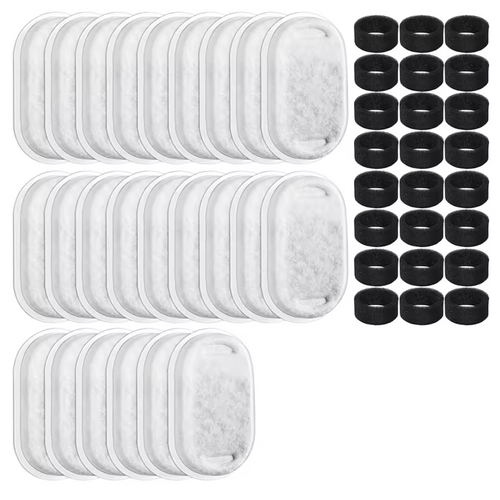
| Replace filter (if applicable) | Every 3–4 weeks |
Stainless steel fountains make this easier—no scratches or porous materials to harbor bacteria, and dishwasher-safe parts for peace of mind.
Building Healthy Hydration Habits
Supporting an older dog means adapting as their needs change. By choosing a safe, clean water setup and keeping routines consistent, you can help your senior thrive. Flowing, filtered water keeps it inviting and fresh, reducing the burden on aging kidneys and making every sip count.
Ready to support your senior’s health? Learn more about the benefits of Pawdrate’s stainless-steel filtered fountain for aging dogs.