


Every dog parent wants to do right by their best friend. But did you know that something as simple as your dog’s water source can quietly shape their long-term health? If you’ve ever wondered, “Is my dog’s water truly safe?”—you’re not alone. Many caring owners are surprised to learn about hidden hazards in everyday water habits. This guide will help you confidently provide safe, refreshing water—at every stage of your dog’s life.
What You’ll Learn
- Dogs need 25–50 ml of water per kg (about 0.4–0.8 oz per lb) of body weight daily—cleanliness and quality matter as much as quantity.
- Contaminants (like heavy metals, bacteria, and microplastics) and biofilm from plastic bowls can silently affect your dog’s health.
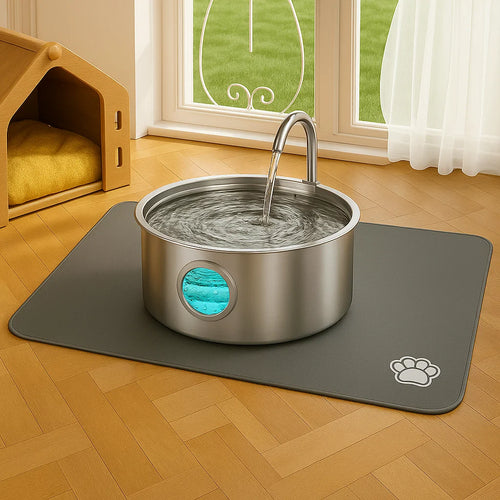
- Stainless-steel fountains minimize bacteria, are easy to clean, and don’t leach toxins—making them a safer long-term choice.
- Tap water safety varies by region—filtering and circulating water helps, but always check local quality reports.
- Some signs of unsafe water exposure: vomiting, diarrhea, fatigue, skin issues, or refusal to drink.
Why Water Safety Matters for Dogs
Water makes up over 60% of your dog’s body weight. It’s essential for healthy kidneys, digestion, temperature control, joint movement, and even a glossy coat. But not all water is created equal. Dogs are exposed to water quality risks that humans might overlook—especially when using plastic bowls, letting water sit too long, or living in areas with aging pipes.
Hidden Risks in Household Water
- Microbial Contaminants: Stagnant water can harbor bacteria (like E. coli) and mold, leading to digestive upset or infection.
- Chemicals and Heavy Metals: Tap water sometimes contains chlorine, lead, or other toxins, which can be more harmful to pets due to their smaller size.
- Plastic Leaching & Biofilm: Plastic bowls/fountains are porous, trapping bacteria and releasing microplastics into water—both linked to chronic inflammation and illness.
Is Your Tap Water Safe for Your Dog?
- U.S. tap water is generally safe, but quality varies by city and home plumbing.
- Check your municipality’s annual water report for contaminants like lead, nitrates, or bacteria.
- If you notice odd smells, cloudiness, or residue in your dog’s bowl, consider filtering or using bottled/filtered water as a backup.
Table: Common Water Contaminants and Potential Effects on Dogs
| Contaminant | Possible Source | Potential Effects |
|---|---|---|
| Lead | Aging pipes | Kidney/liver stress, neurological symptoms |
| Chlorine/Chloramine | Treatment plants | GI upset, decreased palatability |
| Bacteria (E. coli, Salmonella) | Standing/contaminated water | Vomiting, diarrhea, fever |
| Microplastics | Plastic bowls/fountains | Potential long-term inflammation |
How Much Water Does Your Dog Need? (Calculator)
Every dog’s needs are unique, but here’s a helpful daily hydration guide:
| Dog Weight (lbs) | Dog Weight (kg) | Water/Day (ml) | Water/Day (oz) |
|---|---|---|---|
| 10 | 4.5 | 110–220 | 3.7–7.4 |
| 30 | 13.6 | 340–680 | 11.5–23 |
| 60 | 27.2 | 680–1,360 | 23–46 |
*These are general guidelines. Factors like activity, weather, and diet affect your dog’s needs. Always consult your vet for personalized advice.
Material Matters: Why Stainless Steel Wins
| Material | Hygiene | Durability | Biofilm Risk |
|---|---|---|---|
| Plastic | Porous, hard to clean | Scratches, degrades | High |
| Ceramic | Non-porous if glazed, breakable | Can chip/crack | Medium |
| Stainless Steel | Non-porous, easy to sanitize | Long-lasting | Low |
Stainless-steel fountains not only resist bacterial buildup, but they’re also easy to rinse and sanitize—making them a smart investment in your pet’s health.
Simple Steps for Safe Water Every Day
- Refresh water at least once daily; more often in hot weather or after play.
- Wash bowls or fountains with soap and hot water every 1-2 days; deep clean weekly for fountains.
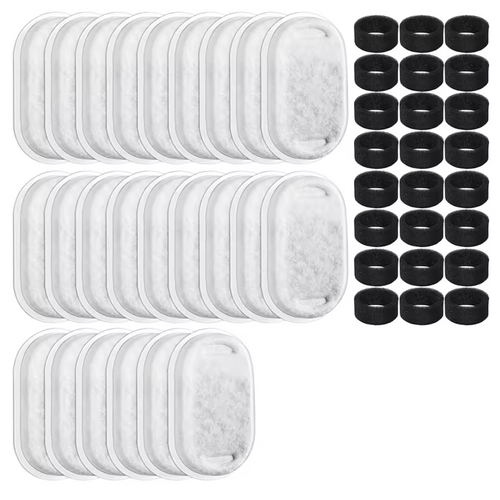
- Replace filters per manufacturer’s instructions—typically every 2-4 weeks.
- Choose stainless steel over plastic to reduce bacteria and avoid chemical leaching.
- If on well water or suspecting contaminants, use a certified water filter.
| Task | Frequency |
|---|---|
| Water refresh | Daily (or more) |
| Bowl rinse | Every 1–2 days |
| Deep clean/fountain | Weekly |
| Filter replacement | 2–4 weeks |
Healthier Habits Start with Safer Water
Your dog’s water should be as fresh, clean, and safe as what you’d want for yourself—maybe even more. Flowing, filtered water from a stainless-steel fountain limits bacteria, encourages drinking, and is easy to maintain. If you’re looking for a safe upgrade, explore our Pawdrate Filtered Water Fountain—crafted for lasting health and easy daily care.