
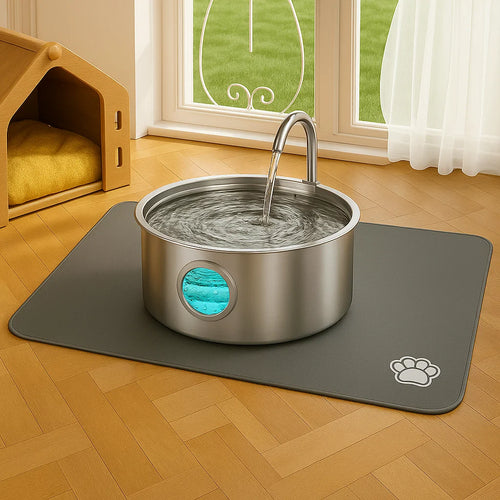


As a dog owner, you want every decision to support your pup’s health and happiness—including something as simple as their water fountain. But with so many styles and materials on the market, how do you know which is truly safe for your best friend? If you’ve ever worried about germs, cleaning hassles, or hidden risks in plastic or ceramic fountains, you’re not alone. This guide will break down what really matters when it comes to safe materials for pet water fountains, so you can feel confident in your choice.
In this article, you’ll learn:
- Why fountain material matters for your dog’s health
- How stainless steel, ceramic, and plastic compare for safety and hygiene
- Signs your pet’s fountain might be putting them at risk
- Cleaning routines to keep water safe and appealing
- How to choose a fountain that supports lifelong hydration
- Stainless steel is the gold standard: highly hygienic, non-porous, and easy to clean.
- Ceramic can be safe if glazed and crack-free—but chips can harbor bacteria.
- Plastic is affordable but porous, prone to biofilm and scratches that trap germs.
- Daily rinsing and weekly deep cleaning are essential for any fountain type.
- Check for material safety certifications and filtration options for extra peace of mind.
Why Fountain Material Matters for Dog Health
Just like you prefer a clean glass for your own water, your dog benefits from a safe, hygienic vessel. Water bowls and fountains are a magnet for bacteria, especially when saliva, food debris, and room-temperature water create ideal conditions for germs to multiply. The material of your dog’s fountain plays a huge role in how quickly bacteria and biofilm (that slimy film that forms on surfaces) can develop. Over time, this can impact your pet’s hydration habits, cause digestive upsets, or even contribute to oral health issues.
Comparing Fountain Materials: Hygiene, Durability, and Safety
| Material | Hygiene | Durability | Biofilm/Bacteria Risk | Cleaning Ease |
|---|---|---|---|---|
| Stainless Steel | Excellent (non-porous, resists bacteria) | Very High | Lowest | Easy; can be sanitized in dishwasher |
| Ceramic | Good (if glaze is intact) | Medium (can chip or crack) | Low if undamaged, higher if chipped | Easy, but requires gentle handling |
| Plastic | Poor (prone to scratches/porosity) | Low to Medium (scratches, warps) | Highest (especially if scratched) | Requires frequent, thorough cleaning |
Why Stainless Steel Leads for Pet Water Safety
Veterinarians and pet experts consistently recommend stainless steel for pet water fountains. Here’s why:
- Non-porous: Bacteria and mold can’t cling to stainless surfaces as easily as plastic or cracked ceramic.
- Durability: Doesn’t chip, crack, or scratch easily—keeping the water zone smooth and safe.
- Sanitization: Dishwasher-safe and resistant to high temperatures for true deep cleaning.
- Health peace of mind: No BPA, phthalates, or chemical leaching. No taste or odor contamination.
- Reduces biofilm risk: Flowing water plus steel’s smooth surface resist that slimy buildup pets hate.
Understanding Biofilm and Why It Matters
Biofilm is a sticky layer of bacteria that you can sometimes feel as ‘slime’ on a bowl or fountain. It grows fastest on porous or scratched surfaces—especially plastic. Once established, it’s tough to remove and can even harbor pathogens. Dogs may drink less from bowls with biofilm, increasing their risk of dehydration and UTIs.
Water Consumption: How Much Does Your Dog Need?
Regardless of fountain material, keeping water fresh and safe helps your dog drink the right amount daily. The general guideline for healthy adult dogs is 25–50 ml (0.85–1.7 fl oz) per kilogram of body weight per day. This varies with diet, activity, and health conditions.
| Dog Weight (lbs) | Dog Weight (kg) | Min Daily Intake (ml) | Max Daily Intake (ml) | Min Daily Intake (fl oz) | Max Daily Intake (fl oz) |
|---|---|---|---|---|---|
| 10 | 4.5 | 112 | 225 | 3.8 | 7.6 |
| 25 | 11.3 | 282 | 565 | 9.5 | 19.1 |
| 50 | 22.7 | 568 | 1135 | 19.2 | 38.4 |
| 75 | 34 | 850 | 1700 | 28.7 | 57.5 |
Always consider your vet’s advice—needs may vary with age, health, or weather.
Cleaning Routines: Keeping Your Dog’s Fountain Safe
| Action | Frequency | Notes |
|---|---|---|
| Quick Rinse | Daily | Pour out old water, rinse all parts, refill |
| Deep Clean | Weekly | Disassemble, scrub with pet-safe soap, sanitize stainless parts |
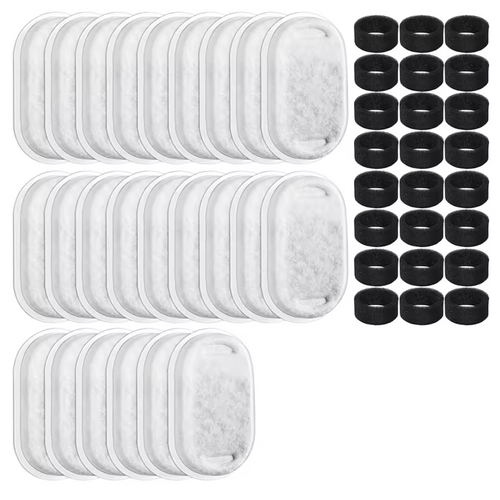
| Filter Change | As directed (usually monthly) | Follow manufacturer’s schedule |
Choosing a Fountain That Supports Lifelong Hydration
Here’s what to look for when you want the safest possible hydration station for your dog:
- Stainless steel construction for hygiene, durability, and resistance to biofilm
- Flowing water to keep it fresh and appealing
- Multi-stage filtration for extra purity
- Easy-to-clean design with minimal nooks and crannies
- No plastic parts in contact with water if possible
If you’re ready to upgrade your pet’s hydration, consider a premium stainless-steel fountain designed for both safety and ease. It’s a small change that can make a big difference in your dog’s daily health.