


Long car rides with your dog are some of the best adventures—but they can also bring hidden hydration risks. If you’ve ever wondered how to keep your dog well-watered and healthy during travel, you’re not alone. This guide covers practical, vet-aligned tips to help you confidently meet your pup’s hydration needs wherever the road takes you.
What to Know: Road Trip Dog Water Essentials
- Dogs need 25–50 ml of water per kg of body weight each day—potentially more with heat or excitement.
- Dehydration risk rises on long drives due to stress, limited stops, and unfamiliar routines.
- Stainless-steel, filtered water is safest for travel—easy to clean, bacteria-resistant, and keeps water fresh longer.
- Know the signs: from mild dry gums to serious lethargy—act early.
- Always consult your vet for travel-specific advice, especially for dogs with medical needs.
Why Road Trips Heighten Your Dog’s Hydration Needs
Road trips are a break from routine—your dog’s, too. Unfamiliar schedules, car air conditioning, and even the excitement of new sights can all increase water loss. Dogs cool off by panting, especially in cars, which means more fluids lost than you might expect. Add in fewer chances to stop and drink, and dehydration can sneak up quickly.
Unlike at home, where your dog can wander to a bowl whenever they like, on the road you’re in control of every water opportunity. Making those moments count is key to a healthy, happy pup.
How Much Water Does Your Dog Need On the Road?
The general guideline: 25–50 ml per kg of body weight per day (about 0.5–1.0 oz per pound per day). On the road—especially in warm weather or if your dog is anxious or active—aim for the higher end of that range.
| Dog Weight (lbs) | Dog Weight (kg) | Min. Daily Water (oz) | Max. Daily Water (oz) | Min. Daily Water (ml) | Max. Daily Water (ml) |
|---|---|---|---|---|---|
| 10 | 4.5 | 2 | 4 | 113 | 225 |
| 25 | 11.3 | 6 | 11 | 282 | 565 |
| 50 | 22.7 | 12 | 23 | 567 | 1,134 |
| 75 | 34 | 18 | 34 | 850 | 1,700 |
(Note: These are general guidelines. Needs vary by age, diet, and health. Always consult your vet for tailored advice.)
Signs Your Dog Needs Water—And What to Watch For
- Mild dehydration: Dry gums, tacky saliva, slight lethargy, panting
- Moderate: Sunken eyes, loss of skin elasticity (slow skin pinch test), fast heart rate
- Severe: Collapse, vomiting, refusal to eat, confusion—emergency
Early action is best. If your dog seems less enthusiastic, has dry gums, or is panting more than usual, stop for a hydration break. Fresh, cool water encourages them to drink more—especially if it’s familiar and clean.
Practical Tips: How to Keep Your Dog Hydrated on the Road
1. Offer Water at Every Stop
Bring your own supply of fresh, filtered water—don’t rely on roadside sources. Offer water at every gas or rest stop (about every 2 hours).
2. Use the Right Water Container
- Stainless-steel bowls and portable fountains: Resist bacteria, easy to clean, keep water cooler and fresher.
- Avoid plastic: Can trap bacteria and develop odors, especially on hot days or in cars.
- Travel-friendly fountains: Circulate water, prevent stagnation, and make drinking fun and familiar for your dog—even in unfamiliar places.
3. Maintain Hygiene—Even on the Go
| Task | Recommended Frequency |
|---|---|
| Rinse bowl/fountain | After each use/outdoor stop |
| Deep clean (with soap, water, brush) | Every 1–2 days while traveling |
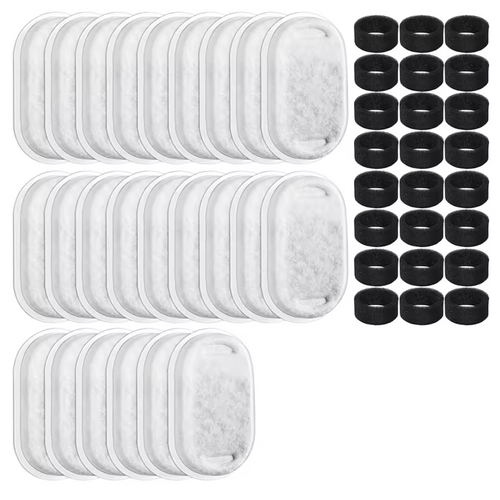
| Replace filter (if using a filtered fountain) | As directed—usually every 3–4 weeks |
Stainless steel is your best travel companion—non-porous, naturally resists biofilm, and cleans up quickly, even at a rest area sink. Ceramic is also a step up from plastic, but less practical for travel.
4. Smart Packing: The Hydration Kit Checklist
- Stainless-steel portable fountain or bowl (plus spare)
- Ample bottled or filtered water
- Small towel for spills
- Travel-safe cleaning supplies (brush, mild soap)
- Extra filters if using a fountain
- List of emergency vets along your route
Stainless-Steel, Flowing Water: The Healthier Road Trip Choice
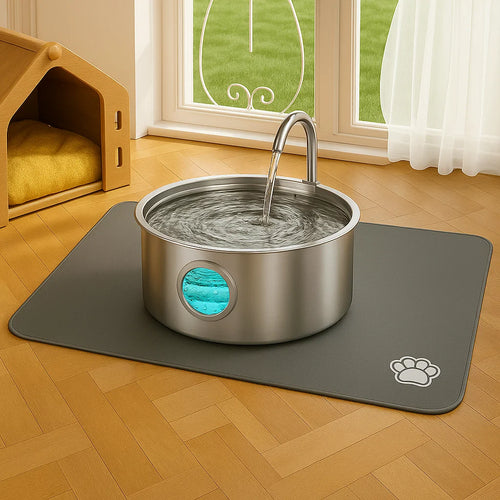
Dogs instinctively prefer moving water—it’s fresher and signals safety, just like a stream in nature. That’s why many pups drink more from a gently circulating fountain than a still bowl. On the road, a portable stainless-steel fountain offers consistent freshness, keeps water cool, and helps prevent bacterial buildup that can occur quickly in plastic or still water—especially in warm cars.
Ready to make road trip hydration effortless? Explore how a premium, travel-friendly stainless-steel fountain can support your dog’s energy, kidney health, and happiness—on any adventure. See our filtered fountain here.