


If you’ve ever noticed your dog’s water fountain running slower, getting noisy, or simply not working as it used to, you’re not alone. A healthy water routine is essential for your dog’s well-being—and a clean, functioning fountain pump is right at the heart of it. In this guide, we’ll show you how to replace your dog fountain pump, explain why clean water flow matters, and help you keep your pet’s hydration routine safe and stress-free.
Whether you’re troubleshooting your first pump issue or planning to keep your fountain in top shape for years, you’ll learn:
- How to spot early signs your pump needs replacing
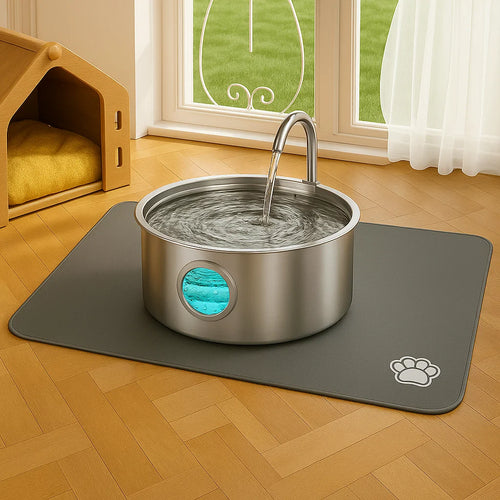
- A step-by-step method to swap in a new pump (with premium stainless-steel fountains in mind)
- How pump health connects to your dog’s hydration and overall health
- Maintenance tips for a fountain that stays fresh and inviting
- Most dogs need 25–50 ml of water per kg body weight each day
- Common pump issues: loud sounds, weak flow, frequent clogs, power failure
- Replace fountain pumps every 1–2 years, or sooner if malfunctioning
- Stainless-steel fountains are easier to sanitize than plastic and reduce biofilm risk
- Always unplug before cleaning or replacing pump
Why the Pump Matters: Flow, Filtration, and Health
The pump is the engine of your dog’s fountain. It keeps water moving, filters out debris, and helps prevent bacterial growth. When the pump slows or fails, stagnant water can quickly compromise hygiene—and your dog may avoid drinking altogether.
Think of it like a home water filter: if the heart of the system is struggling, nothing downstream works quite right. For dogs, that can mean less water intake, higher risk of urinary tract infections, and even kidney strain over time.
Signs Your Dog Fountain Pump Needs Replacing
- Unusual noises – Grinding, rattling, or buzzing often mean wear or debris buildup
- Weak or uneven water flow – If cleaning doesn’t restore full flow, pump power may be fading
- Frequent clogging – More than usual? Internal pump parts may be worn or failing
- Complete power loss – If the fountain won’t turn on (and cords/outlets check out), the pump may be at the end of its life
- Persistent smells – Stagnant water odor can mean the pump isn’t circulating water effectively
How to Replace Your Dog Fountain Pump: Step-by-Step
- Unplug and empty the fountain. Always disconnect from power for safety.
- Disassemble the fountain. Remove the top cover, filter, and reservoir—check your user manual for specifics.
- Locate and remove the old pump. Typically, it’s seated in a chamber with suction cups or a small bracket. Gently pull it free.
- Clean the pump compartment. Use a clean sponge or cloth to remove any slime, hair, or mineral deposits before installing the new pump.
- Install the new pump. Place it in the same orientation as the old one; ensure tubes or electrical connectors are seated snugly. Replace any seals if needed.
- Reassemble, refill, and test. Reattach all parts, fill with fresh water, and plug in. Watch for smooth, quiet operation and a steady water flow.
Keep your packaging and manual handy—the first time may take 10–15 minutes, but it gets easier each time. If you’re using a premium stainless-steel fountain, all components are designed for ease of access and simple cleaning.
Dog Daily Water Intake by Weight
| Dog Weight (lbs) | Approx. Intake (oz/day) | Approx. Intake (ml/day) |
|---|---|---|
| 10 | 8–17 | 240–500 |
| 25 | 20–42 | 600–1250 |
| 50 | 40–84 | 1200–2500 |
| 75 | 60–126 | 1800–3750 |
*Estimates based on 25–50 ml/kg/day. Actual needs vary by diet, activity, size, and weather. Always consult your vet for personalized guidance.
Cleaning & Pump Care for a Fresher Fountain
| Task | Frequency |
|---|---|
| Quick rinse (water, no soap) | Daily |
| Deep clean (disassemble, scrub, rinse all parts, descale pump) | Weekly |
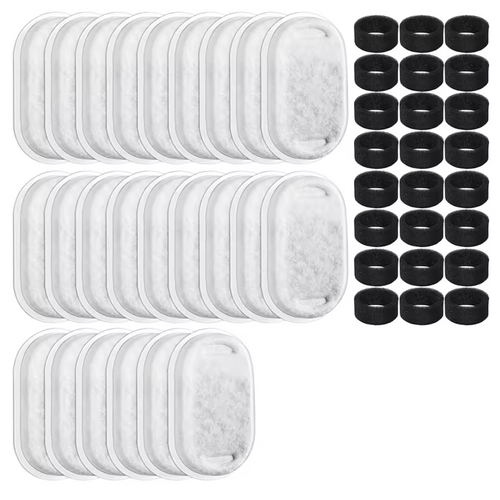
| Filter replacement | Every 2–4 weeks |
| Pump replacement | Every 12–24 months |
Material Comparison: Fountain Hygiene at a Glance
| Material | Hygiene | Durability | Biofilm Risk |
|---|---|---|---|
| Stainless Steel | Excellent | High | Very Low |
| Plastic | Poor–Fair | Low–Medium | High |
| Ceramic | Good | Medium | Medium |
Why Replace Your Pump? The Path to Healthier Hydration
Replacing your dog fountain pump doesn’t just restore water flow—it helps create a fresher, more inviting drinking experience for your dog. Stainless-steel fountains with strong, quiet pumps keep water circulating and filtered, supporting clean hydration and peace of mind for you.
If your current fountain is aging or you’re frustrated with plastic models that are hard to sanitize, consider the long-term benefits of a premium stainless-steel system with a reliable, easy-to-replace pump. Your dog will thank you every time they happily lap up cool, moving water. Explore Pawdrate’s filtered stainless-steel fountain for a healthier hydration routine.
Empowering Takeaway
You’re not just fixing a part—you’re supporting your dog’s health, happiness, and energy for years to come. With a little regular care and the right materials, clean hydration can be simple and stress-free. Here’s to many joyful, hydrated days ahead!
3 comments
where can i find a new replacement pump ?
I need a new pump mine quit working. Can you help? Don’t remember size
I need a new pump mine quit working. Can you help? Don’t remember size