


Have you ever picked up your dog’s water bowl only to find it coated with a slippery, slimy film? You’re not alone—and you’re not doing anything wrong. But this sticky residue, known as biofilm, can impact your dog’s health and hydration. This guide will help you understand what causes slime, share practical tips to reduce it, and show how making a few simple changes can lead to a healthier, happier pup.
What to Know: Reducing Slime in Your Dog’s Bowl
- Slime in bowls is biofilm: A mix of bacteria, saliva, and leftover food particles.
- Risks: Biofilm can harbor harmful bacteria that may affect your dog's health and water intake.
- Material matters: Stainless steel bowls resist slime buildup better than plastic or ceramic.
- Cleaning is key: Rinse daily, scrub weekly, and change water often for best results.
- Moving water helps: Circulating fountains discourage slime and are easier to keep clean.
Why Does My Dog’s Bowl Get Slimy?
Even the most devoted dog parents find it: a slippery, often invisible film that coats the inside of water bowls. This is called biofilm. It’s a natural but stubborn buildup of bacteria, saliva, and microscopic food particles. Whenever your dog drinks, their tongue introduces bacteria and organic matter, which thrive in standing water—especially in warm kitchens or sunny patios.
Left unchecked, biofilm becomes a sticky anchor for more dangerous germs. Not only does this make water taste and smell off to your dog (some will drink less!), but it can also promote the growth of harmful bacteria over time.
What Are the Health Risks?
- Reduced hydration: Dogs may avoid smelly or slimy bowls, leading to lower water intake.
- Bacterial risk: Some bacteria in biofilm can cause upset stomach, urinary tract infections, or worse—especially for puppies, seniors, and immune-compromised dogs.
- Skin and coat health: Clean water supports healthy skin and shiny coats.
While most healthy dogs can handle small amounts of bacteria, chronic exposure isn’t worth the risk. And for larger breeds or dogs with medical conditions, clean water is especially important for kidney health and overall energy.
How Much Water Does My Dog Need?
Clean, inviting water is the first step—but how much does your dog need? A general guideline is 25–50 ml per kilogram (0.4–0.8 oz per lb) of body weight per day. Activity level, diet (wet food counts), and weather all play a role.
Use this table for a quick reference:
| Dog Weight | Daily Intake (ml) | Daily Intake (cups) |
|---|---|---|
| 10 lbs (4.5 kg) | 110–225 | 0.5–1 |
| 25 lbs (11 kg) | 275–550 | 1–2.3 |
| 50 lbs (23 kg) | 575–1,150 | 2.5–5 |
| 75 lbs (34 kg) | 850–1,700 | 3.5–7 |
Note: These are general guidelines. Your vet can help determine the best range for your individual dog.
Why Bowl Material Matters: Stainless vs. Plastic vs. Ceramic
Some bowls grow slime faster than others. Here’s why:
| Material | Biofilm Risk | Durability | Ease of Cleaning |
|---|---|---|---|
| Stainless Steel | Lowest | Very high | Easy (dishwasher safe) |
| Plastic | High (scratches trap bacteria) | Low–Medium | Can stain, harder to sanitize |
| Ceramic | Medium (can chip/crack) | Medium | Good if glazed and unchipped |
Pro tip: Stainless steel not only resists slime but also avoids leaching chemicals and is more durable over time.
Daily and Weekly Cleaning Checklist
- Change water daily. Even if the bowl isn’t empty, refresh with clean water every day.
- Rinse daily. Give the bowl a quick rinse to remove saliva and debris.
- Scrub weekly. Use hot, soapy water and a dedicated sponge. For deep cleaning, bowls can go in the dishwasher if marked safe.
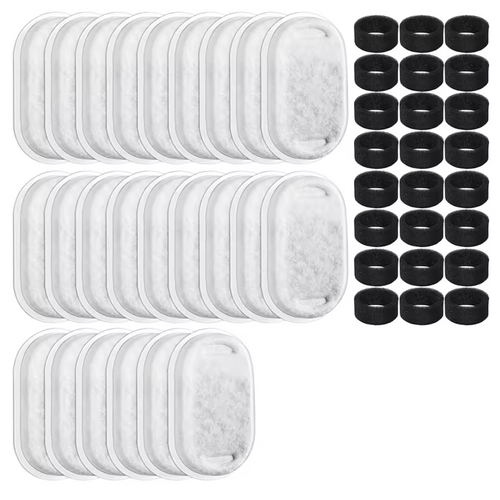
- Filter care: If you use a filtered fountain, change filters as recommended—usually every 2–4 weeks.
- Inspect for scratches or chips. Replace damaged bowls to prevent bacteria hiding in crevices.
| Task | Frequency |
|---|---|
| Rinse bowl | Daily |
| Replace water | Daily |
| Scrub & deep clean | Weekly |
| Filter replacement (if fountain) | Every 2–4 weeks |
| Inspect/replace bowl | As needed |
Why Flowing, Filtered Water Makes a Difference
Dogs instinctively prefer running water in nature. It’s fresher, cooler, and less likely to be contaminated. The same principle applies at home: flowing water discourages biofilm and encourages more frequent drinking.
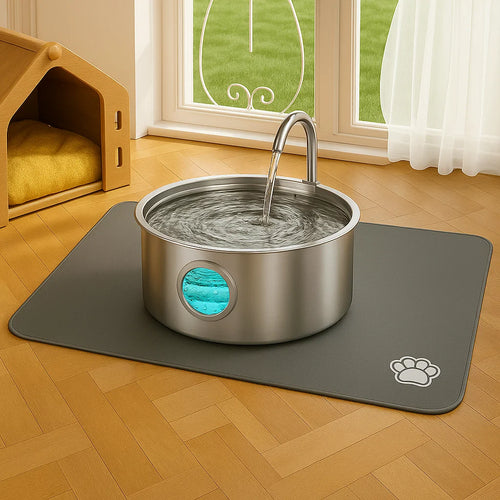
Fountains made of stainless steel—like the Pawdrate Filtered Water Fountain—combine constant circulation with advanced filtration and easy-to-clean materials. Many pet parents find that switching from plastic to stainless, and from bowls to fountains, dramatically reduces slime and boosts hydration with minimal effort.