


As more dog parents embrace raw feeding, a new question emerges: does a raw diet change how much water your dog needs? If you’ve ever wondered why your raw-fed pup seems to drink less (or sometimes more) than their kibble-eating friends, you’re not alone. Hydration can be more complex than it seems, and it’s crucial to your dog’s long-term health.
This guide will help you understand how raw diets affect hydration, how to spot signs of dehydration, and how to set your raw-fed dog up for vibrant, healthy living—starting with the water bowl.
How Moisture Content in Raw Diets Affects Hydration
One of the most celebrated benefits of raw feeding is that it mimics the natural, prey-based diet of wild canines. Raw meats often contain 60–75% water, compared to 10% or less in dry kibble. This means that dogs eating raw food are getting some of their daily water needs directly from their meals.
But Does This Mean Raw-Fed Dogs Don’t Need to Drink?
Not quite. While it’s true that many raw-fed dogs will drink less than their kibble-fed peers, fresh water should always be available. Hydration supports kidney function, joint health, energy levels, and healthy skin—regardless of diet.
How Much Water Does Your Raw-Fed Dog Need?
Veterinary guidelines suggest that dogs typically need 25–50 ml of water per kilogram of body weight per day (about 0.5–1.0 oz per pound). This range includes water from both food and drinking.
Raw-fed dogs might meet some of this need through their meals, but the rest must come from their water bowl or fountain.
| Dog Weight | Daily Water Need | Notes for Raw-Fed Dogs |
|---|---|---|
| 10 lbs (4.5 kg) | 115–225 ml (4–8 oz) | May drink less, but must have access to water |
| 25 lbs (11 kg) | 275–550 ml (9–19 oz) | Watch for changes in thirst |
| 50 lbs (23 kg) | 575–1,150 ml (19–39 oz) | Consider activity, climate, and age |
| 75 lbs (34 kg) | 850–1,700 ml (29–58 oz) | Larger breeds benefit from flowing water |
Note: These are general guidelines. Your dog’s needs may vary with age, climate, and activity. Always consult your veterinarian for personalized advice.
Signs of Dehydration in Raw-Fed Dogs
Even with a moisture-rich diet, dehydration can sneak up—especially in summer, with increased activity, or if a dog is recovering from illness.
- Mild: Tacky gums, slight lethargy, subtle decrease in skin elasticity
- Moderate: Dry nose and gums, sunken eyes, visible loss of skin elasticity
- Severe: Rapid heart rate, vomiting, collapse—seek veterinary care immediately
Monitor your dog’s water bowl and their behavior. If you notice they’re consistently drinking less or seem fatigued, check for these signs.
Raw Diets and Water Hygiene: Why Your Bowl Choice Matters
Raw feeding can introduce more organic matter (tiny meat particles, fats) into your dog’s water. This leads to faster biofilm (slimy buildup) formation, especially in warm, stagnant bowls. Bacteria thrive in these conditions, which may put raw-fed dogs at higher risk of waterborne illness if the bowl isn’t meticulously cleaned.
Material Matters: Stainless Steel vs Plastic vs Ceramic
| Material | Hygiene | Durability | Biofilm Risk |
|---|---|---|---|
| Stainless Steel | Excellent (non-porous, easy to sanitize) | Very High | Low |
| Ceramic | Varies (glaze can chip, harbor bacteria) | Moderate | Medium |
| Plastic | Poor (scratches trap bacteria) | Low | High |
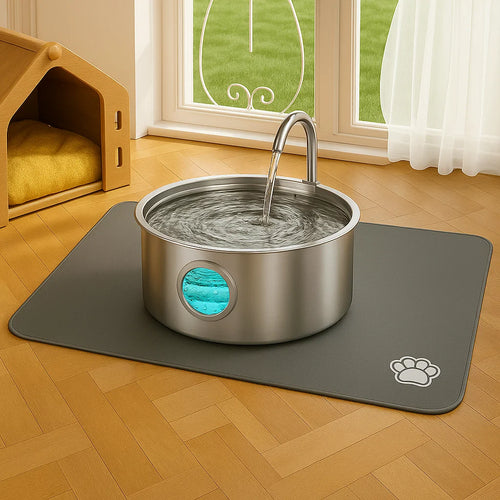
For raw-fed dogs, a premium stainless steel fountain can help reduce bacteria risk, keep water fresher, and encourage natural drinking with flowing, circulating water.
Cleaning Cadence for Raw-Fed Dogs
| Task | Frequency | Why It Matters |
|---|---|---|
| Rinse & Refresh Water | Daily | Removes food debris, prevents stale water |
| Deep Clean (soap & hot water) | Weekly | Kills bacteria, removes biofilm |
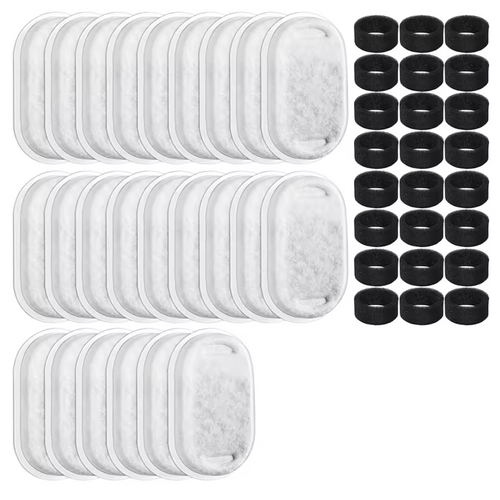
| Replace Filters (fountains) | Every 2–4 weeks | Maintains filtration, prevents odor |
Supporting Healthier Hydration for Raw-Fed Dogs
- Always provide clean, fresh water—even if your raw-fed dog seems to drink less.
- Choose non-porous, easy-to-sanitize bowls or fountains—stainless steel is best for hygiene and durability.
- Encourage healthy habits with flowing water; many dogs instinctively prefer moving water.
- Monitor for dehydration signs, especially during warmer months or increased activity.
Raw feeding offers many health benefits, but optimal hydration still requires vigilance and the right setup at home.
Ready to Upgrade Your Dog’s Water Routine?
If you’re committed to a raw diet, consider how a premium stainless-steel water fountain can help keep water fresher, cleaner, and more enticing—supporting every healthy meal with safe hydration.